
Venezuela’s Maduro in U.S. Custody as Loyalists Vow Defiance | January 4, 2026
Venezuelan President Nicolás Maduro is in U.S. custody as supporters vow resistance, triggering political turmoil and global reaction on Jan 4, 2026.
Raja Awais Ali
1/4/20263 min read
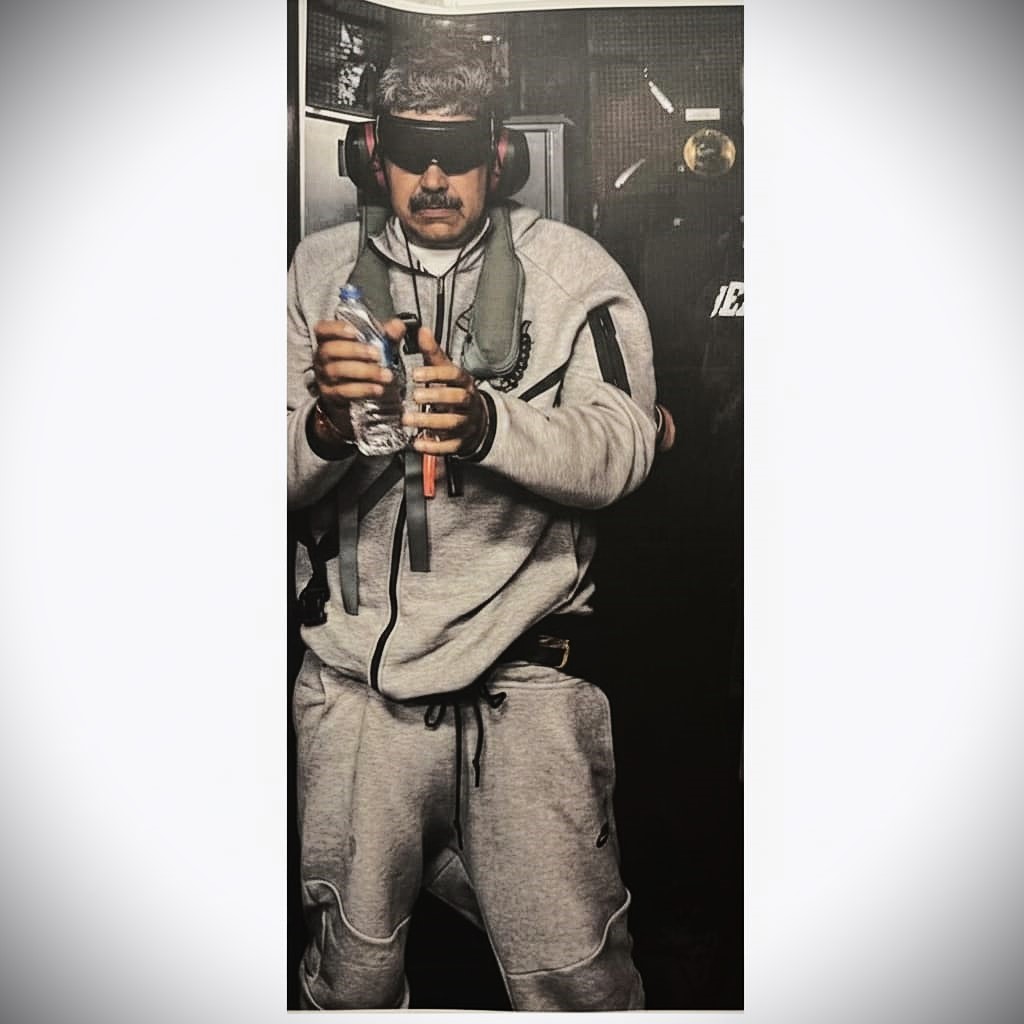
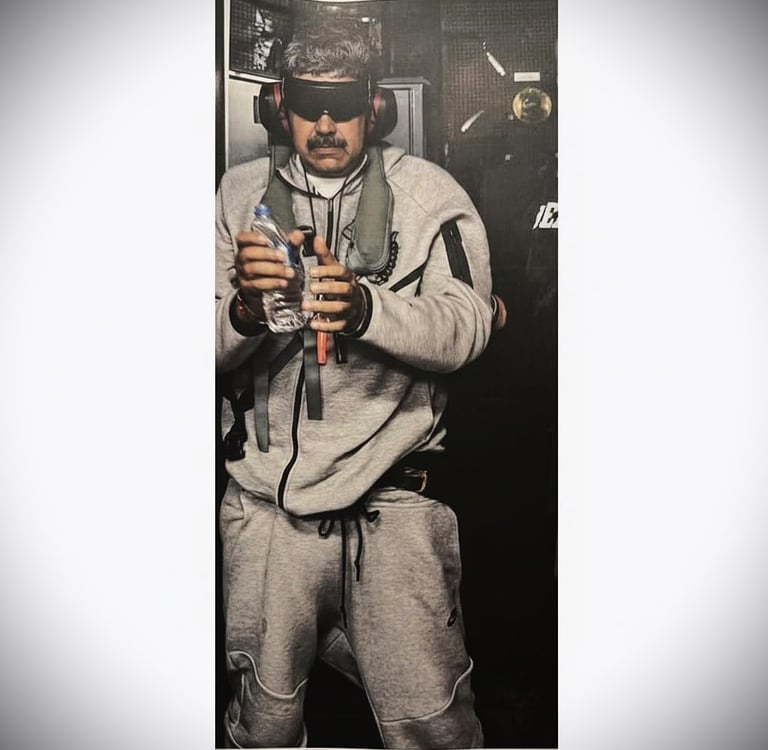
Venezuela’s Maduro in U.S. Custody as Loyalists Vow Defiance
Venezuelan President Nicolás Maduro is currently in United States custody, according to official statements released by Washington, marking one of the most dramatic developments in Latin American politics in decades. The announcement has triggered political shockwaves across Venezuela, with Maduro’s loyalists vowing resistance and accusing the U.S. of violating international law.
U.S. President Donald J. Trump, now back in office, confirmed that Maduro was detained during what American officials described as a high-risk, coordinated operation involving U.S. military and federal law-enforcement agencies. Maduro has since been transferred to a federal detention facility in New York, where he is expected to face long-standing criminal charges.
Arrest and Transfer to the United States
According to U.S. sources, Maduro was apprehended in Caracas during a late-night operation and transported under heavy security. He was first taken to a U.S. naval vessel before being flown to New York. Images and video footage released by American authorities showed Maduro in handcuffs, escorted by agents from the Drug Enforcement Administration (DEA), a move described by officials as a standard legal procedure.
U.S. authorities stated that the arrest was carried out to enforce existing indictments related to drug trafficking, narco-terrorism, and conspiracy to smuggle cocaine into the United States. These charges had previously been announced but were never enforced due to Maduro’s control over state institutions in Venezuela.
Washington’s Position
The White House claims Maduro led and protected criminal networks linked to the so-called “Cartel of the Suns,” which U.S. prosecutors have designated as a transnational criminal organization. American officials insist the detention is a law-enforcement action, not a declaration of war or an attempt at permanent occupation.
U.S. officials also stated that Washington will support a temporary political transition in Venezuela, emphasizing stability, humanitarian access, and future elections. However, they denied any intention to directly govern the country.
Reaction Inside Venezuela
Inside Venezuela, the response has been explosive. Senior government officials and military commanders loyal to Maduro rejected the U.S. action outright. Vice President Delcy Rodríguez condemned the detention as an “illegal abduction” and called on Venezuelans to defend national sovereignty.
Pro-Maduro supporters have organized demonstrations in Caracas and other major cities, warning that the country will not accept foreign interference. State television has framed the arrest as an act of aggression, while opposition figures remain divided on how to respond.
International Response
Global reaction has been mixed. Several countries in Latin America and beyond expressed concern over the implications of arresting a sitting head of state. Nations including China, Russia, Cuba, and Brazil criticized the move, calling for respect for Venezuela’s sovereignty and international law.
The issue is expected to be raised at the United Nations Security Council, where legal and diplomatic consequences will be debated amid fears of regional instability.
What Comes Next
Maduro is expected to appear before a U.S. federal court in the coming days. Legal experts say the case could take years, with significant political consequences for Venezuela’s future, regional security, and U.S.–Latin America relations.
As events continue to unfold, Venezuela faces a period of deep uncertainty, with its leadership contested and its political future unclear.
US Soldier Accused of $400,000 Insider Trading Profits Linked to Maduro Capture Case – Full Report
A major legal scandal has surfaced in the United States after a Special Forces soldier was accused of making around $400,000 through insider trading linked to a classified military operation involving the capture of Venezuelan President Nicolás Maduro. According to prosecutors, Master Sergeant Gannon Ken Van Dyke allegedly used sensitive, nonpublic information about the operation to place bets on a digital prediction market platform before the event was officially revealed.
Authorities claim that Van Dyke had access to highly classified intelligence and misused it for personal financial gain. The case includes multiple serious charges such as wire fraud, commodities fraud, and unlawful use of government information. Investigators say this incident highlights serious concerns about military ethics, national security, and the growing risks associated with prediction markets in the digital age.
The case has sparked widespread debate about how classified information should be protected and whether stricter regulations are needed for both military personnel and online betting platforms that deal with real-world events.
👉 Full details :
https://blinknews.blog/us-soldier-400k-maduro-capture-insider-trading-2026
Stay informed with the latest national and international news.
© 2026. All rights reserved.