
WhatsApp Complains of Restrictions in Russia After Reported Service Slowdown
WhatsApp protests Russian restrictions after a major service slowdown, warning that limits on encrypted messaging threaten privacy for millions of users.
Raja Awais Ali
12/23/20252 min read
WhatsApp Protests New Restrictions in Russia After Widespread Service Slowdown
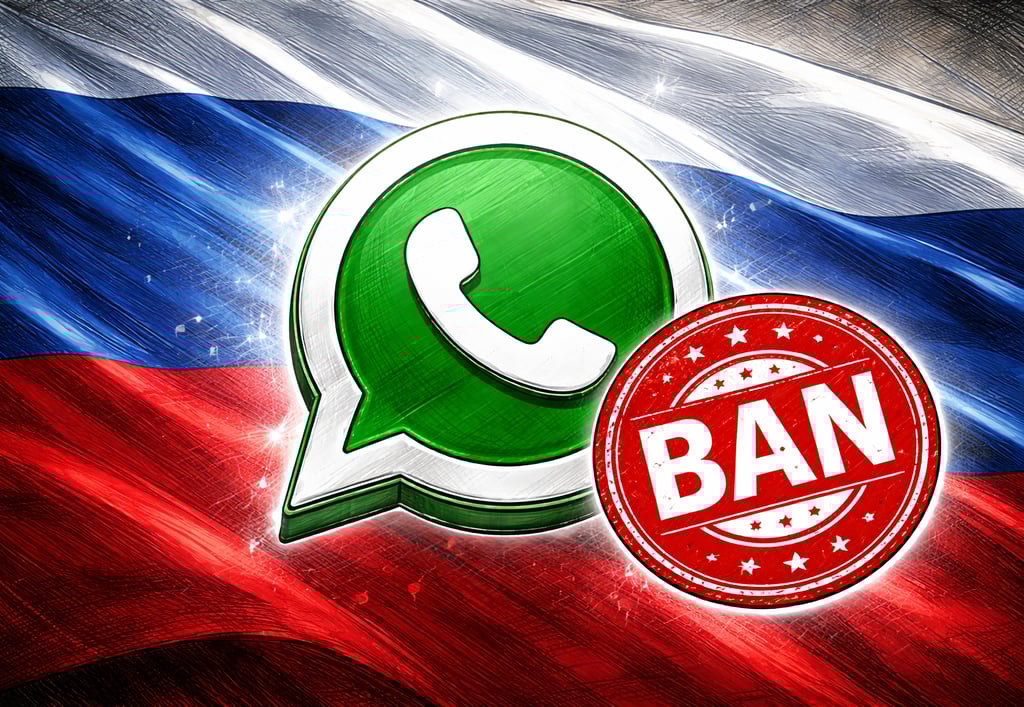
On 23 December 2025, messaging platform WhatsApp, owned by Meta Platforms, formally protested against increasing restrictions imposed on its service in Russia following widespread reports of a significant slowdown in performance across the country. The company accused Russian authorities of deliberately limiting access to the app, raising concerns over the impact on private and secure communication for millions of users.
According to Russian media and network monitoring services, WhatsApp’s functionality has been reduced by 70 to 80 percent in several regions, including Moscow, St. Petersburg, Tatarstan, and Sverdlovsk. Thousands of users reported delayed message delivery, missing notifications, frozen voice messages, and unstable connections. In a single day, more than 2,000 complaints were registered, highlighting the scale of the disruption affecting both personal and business communications.
Russia’s telecommunications watchdog Roskomnadzor confirmed that restrictive measures were being gradually introduced against WhatsApp. The regulator claimed the platform failed to comply with Russian laws governing data access, cooperation with law enforcement agencies, and legal oversight of digital communication services. Officials argued that the restrictions were intended to protect national security and encourage users to transition to alternative, domestically developed messaging platforms.
WhatsApp strongly rejected these claims, stating that no clear or publicly verifiable evidence had been presented to justify the restrictions. The company emphasized that its service provides end-to-end encryption, ensuring that messages remain private and inaccessible to third parties. WhatsApp warned that restricting encrypted communication undermines digital privacy and places millions of users at risk, particularly during the holiday season when digital connectivity is vital.
The platform also noted that more than 100 million people in Russia rely on WhatsApp daily for communication with family, friends, and business partners. WhatsApp argued that forcing users toward government-endorsed alternatives could weaken security standards and expose personal data to increased surveillance.
Roskomnadzor has repeatedly warned that WhatsApp could face a full ban if it continues to violate Russian regulations. Authorities have accused the platform of facilitating fraud, extremism, and illegal activities—allegations that WhatsApp denies. The company maintains that it actively combats misuse through global security protocols while protecting user privacy.
This dispute reflects Russia’s broader strategy to tighten control over foreign-owned digital platforms. In recent years, the government has imposed fines, partial blocks, and performance throttling on several international tech companies. Critics argue that these measures are designed to limit information flow and strengthen state influence over online communication.
Technology analysts warn that continued restrictions may push Russian users to rely increasingly on VPN services and alternative platforms, deepening the divide between regulators and global tech firms. As tensions escalate, the standoff between WhatsApp and Russian authorities is expected to play a decisive role in shaping Russia’s digital landscape and its relationship with international technology companies.
Stay informed with the latest national and international news.
© 2026. All rights reserved.