
Ukraine Security Guarantees to Include Binding Commitments, Draft Paris Summit Statement Reveals
Ukraine’s allies plan binding security guarantees under a Paris summit draft, signaling concrete commitments to deter future Russian aggression.
Raja Awais Ali
1/6/20262 min read
Ukraine Security Guarantees to Include Binding Commitments: Draft Paris Summit Statement Signals Major Shift
On 6 January 2026, a draft statement prepared for the Paris Summit of Ukraine’s allies revealed a significant evolution in international support for Kyiv. According to the draft, future security guarantees for Ukraine will include binding commitments, marking a move away from vague political assurances toward enforceable and actionable obligations by partner nations.
The Paris summit, attended by the United States, key European Union members, the United Kingdom, Canada, Japan, and other allied countries, aims to establish a durable security framework for Ukraine amid ongoing concerns over Russian aggression. The draft statement underscores a shared determination among allies to ensure that Ukraine is not left vulnerable to renewed military escalation once active hostilities subside.
Unlike previous declarations, the proposed guarantees are designed to be operational rather than symbolic. The draft outlines commitments that could include military assistance, intelligence sharing, logistical support, financial aid, and coordinated diplomatic actions if Ukraine faces future attacks. The intention is to deter Russia by making clear that renewed aggression would trigger a collective and immediate response.
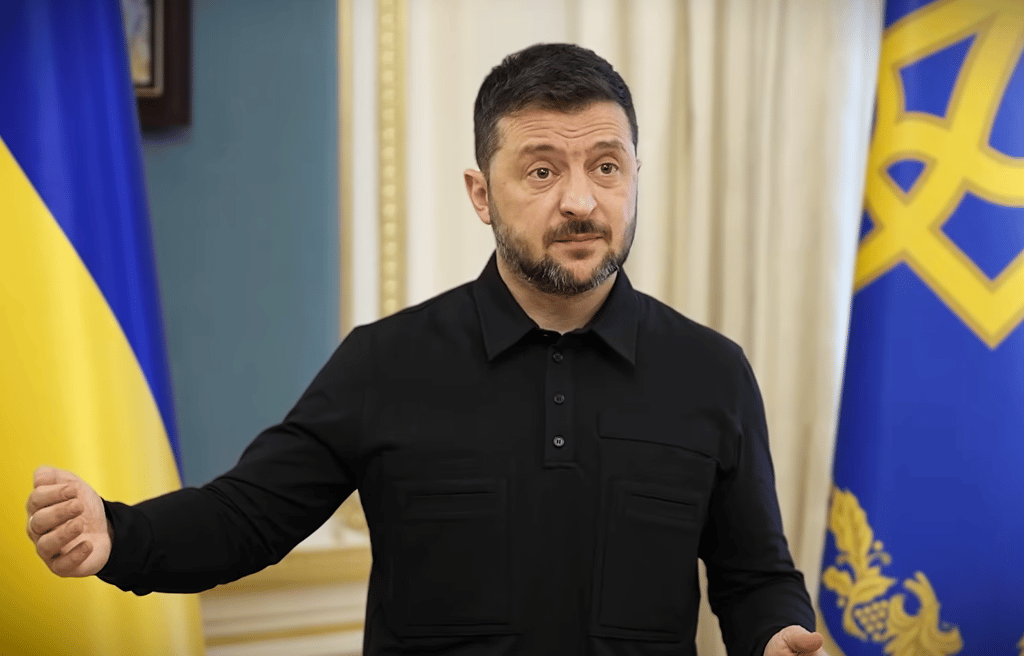
Ukrainian President Volodymyr Zelensky has consistently argued that peace cannot be sustained without real security mechanisms. He has stressed that Ukraine needs guarantees that function “on land, in the air, and at sea,” rather than promises limited to diplomatic language. The Paris draft is widely viewed as a direct response to Kyiv’s insistence on concrete safeguards.
The push for binding commitments is also shaped by historical experience. In 1994, Ukraine signed the Budapest Memorandum, surrendering its nuclear arsenal in exchange for assurances of sovereignty and territorial integrity. Those assurances failed to prevent Russia’s annexation of Crimea in 2014 and the full-scale invasion in 2022. Western officials now acknowledge that non-binding guarantees proved insufficient, reinforcing the need for a stronger model.
European leaders involved in the Paris talks argue that Ukraine’s security is inseparable from Europe’s own stability. Any prolonged insecurity in Ukraine risks destabilizing the broader continent, economically and militarily. As a result, the draft proposes that violations of Ukraine’s security would also trigger economic sanctions, diplomatic isolation, and expanded defense cooperation against the aggressor.
The involvement of senior U.S. representatives in the Paris summit further highlights Washington’s continued engagement in shaping Ukraine’s post-war security architecture. While the draft stops short of NATO membership guarantees, analysts see it as a potential bridge toward deeper long-term integration with Western defense structures.
In conclusion, the Paris summit draft represents a turning point in international policy toward Ukraine. By shifting from political assurances to binding commitments, Ukraine’s allies are signaling that future security arrangements will be based on enforceable action, not goodwill alone. If adopted, these guarantees could redefine deterrence in Europe and send a clear message that aggression will carry immediate and coordinated consequences.
Stay informed with the latest national and international news.
© 2026. All rights reserved.