
Ukraine Peace Talks Gain Momentum with New Framework — December 2, 2025
A new U.S.–Ukraine peace framework unveiled on December 2, 2025 brings renewed hope for ending the war, though major decisions now depend on Russia and European partners.
Raja Awais Ali
12/2/20252 min read
Ukraine Peace Negotiations: New Framework Brings Fresh Hope — 2 December 2025
On 2 December 2025, the search for a Ukraine–Russia peace agreement entered a critical new phase. With U.S. mediation, Ukraine and the United States announced an “updated and refined peace framework” following high-level negotiations in Geneva. Officials on both sides described the progress as meaningful, though the final framework remains incomplete and has not yet been fully disclosed to the public.
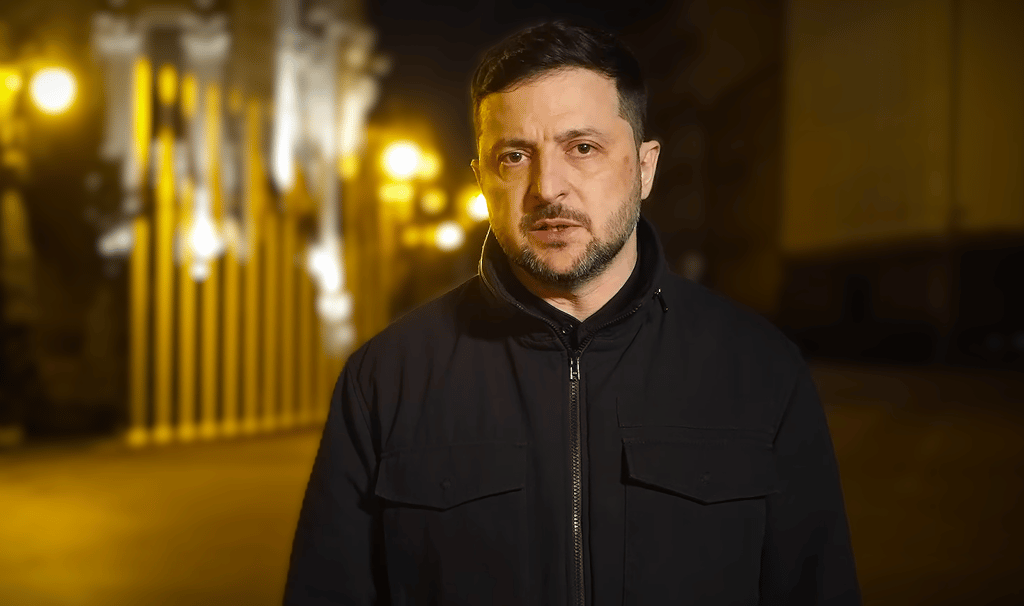
After the latest Geneva round, Ukrainian President Volodymyr Zelenskyy stated that the document had been significantly improved compared to earlier drafts. He emphasized that the updated version aligns more closely with Ukraine’s sovereignty, territorial integrity, and long-term security priorities. U.S. officials echoed this sentiment, calling the talks “constructive and productive,” while noting that a few unresolved issues require further negotiation.
The new framework is built upon a previously proposed 28-point plan but has undergone major revisions to address the concerns raised by European partners and Ukrainian officials. The earlier version received criticism, particularly from Europe, for containing elements perceived as leaning too closely toward Russian positions. Now, European leaders insist that any peace agreement must prioritize transparency, clear security guarantees, and the protection of Ukraine’s borders.
One of the biggest unanswered questions remains Russia’s response. As of 2 December, Moscow had not issued a detailed position on the revised document. However, Kremlin officials indicated they would clarify their stance after meeting the U.S. delegation currently in Moscow. Senior U.S. envoy Steven Witkoff and adviser Jared Kushner arrived in Moscow on 2 December to hold direct talks with President Vladimir Putin — discussions widely viewed as potentially decisive for the peace process.
European governments have cautiously welcomed the updated framework but stress that Europe must be directly involved in shaping any final agreement. According to European leaders, the post-war security architecture will affect the entire continent, and therefore the final deal cannot be limited to U.S.-Ukraine talks alone. A strong European role is considered essential for long-term stability.
If the new peace framework succeeds, it could mark a historic turning point in the conflict. It would open the door to reconstruction in war-damaged regions, restore economic stability, and allow millions of displaced civilians to rebuild their lives. It could also reshape European security and reduce the risk of future conflict.
However, the path to peace remains complex. True progress will depend on coordinated actions from all sides — Ukraine, Russia, the United States, and European allies — as they move toward a final, enforceable agreement. While 2 December 2025 has brought renewed hope, the decisive phase of the peace process is still ahead.
Stay informed with the latest national and international news.
© 2026. All rights reserved.