
Ukraine Peace Deal Nears Final Stage as US Envoy Signals Progress, While Russia Demands Radical Changes
Ukraine peace talks enter final phase as US envoy signals major progress, while Russia demands radical changes, creating uncertainty in the negotiations.
Raja Awais Ali
12/7/20252 min read
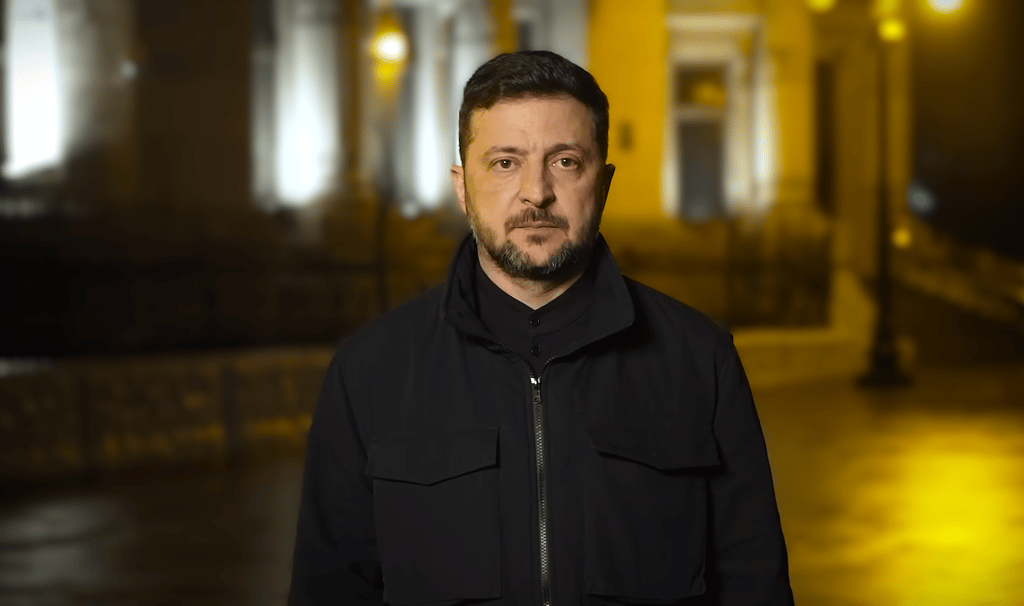
Ukraine Peace Deal Nears Final Stage as US Envoy Signals Progress, While Russia Demands Radical Changes
On 7 December 2025, diplomatic efforts to end the long-running war between Ukraine and Russia entered a decisive stage. A senior United States envoy announced that a peace agreement is now “extremely close,” sparking cautious optimism that one of Europe’s deadliest conflicts may soon approach resolution. However, Russia’s demand for “radical changes” to the current proposal has introduced new uncertainty into the final stages of negotiation.
According to the US special envoy, sustained behind-the-scenes discussions have allowed both sides to narrow significant gaps in recent months. While the broad framework of a peace deal is reportedly nearing completion, several sensitive issues remain unresolved. These include the future political status of contested territories in eastern Ukraine and the long-term management of the Zaporizhzhia Nuclear Power Plant — a key concern for European security and nuclear safety.
Western officials view the current progress as a meaningful opportunity to restore stability in the region. Yet Moscow maintains a more rigid position, arguing that the existing proposal fails to sufficiently address Russia’s strategic priorities. Russian representatives insist that the draft must undergo “fundamental and radical revisions” before it can be signed.
Among Russia’s reported demands are clearer territorial arrangements, stronger long-term security guarantees, and limits on NATO involvement near its borders. Kremlin officials have repeatedly stated that an agreement perceived as imbalanced or unfavorable to Russia would not be acceptable.
Despite diplomatic momentum, the situation on the battlefield remains tense. Reports indicate ongoing drone strikes, artillery exchanges, and localized fighting in multiple contested regions. This contrast between progress in negotiation rooms and violence on the ground underscores the fragile and complex nature of the peace process.
Analysts suggest that if both sides show flexibility, the emerging peace agreement could become a turning point for the region — enabling the return of displaced civilians, facilitating reconstruction, and restoring economic stability. However, if negotiations collapse due to uncompromising positions, the conflict could intensify further, prolonging instability across Europe.
In conclusion, the US envoy’s statement has renewed hope that an end to the war may finally be within reach. But Russia’s insistence on radical changes remains the primary obstacle. The coming days will determine whether a historic peace agreement emerges — or whether the region faces yet another chapter of geopolitical tension.
Stay informed with the latest national and international news.
© 2026. All rights reserved.