
Ukraine Drops NATO Ambition for Peace Talks: Zelensky Pivots Strategy at Berlin Negotiations
Ukrainian President Volodymyr Zelensky abandons NATO membership goal in favor of binding Western security guarantees to advance peace talks with Russia. Latest updates Dec 14, 2025.
Raja Awais Ali
12/14/20252 min read
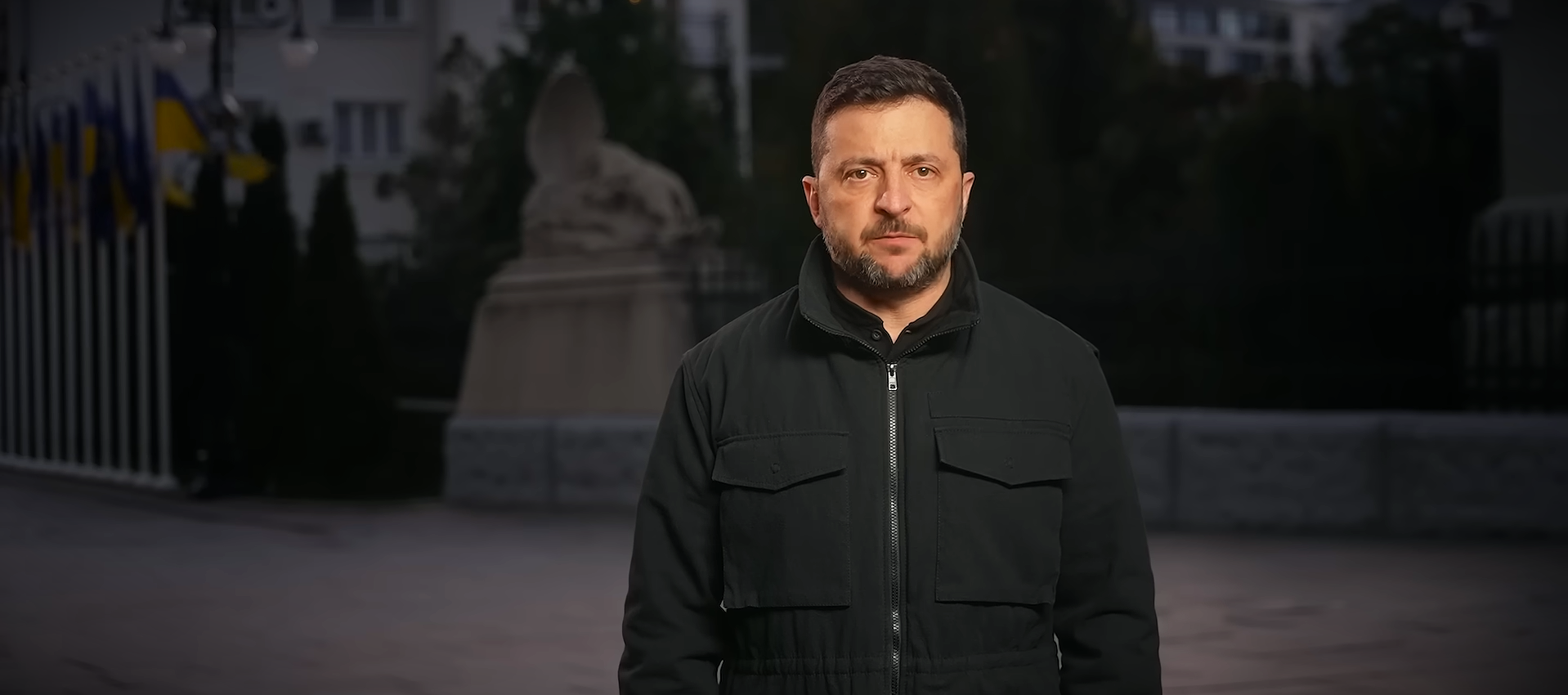
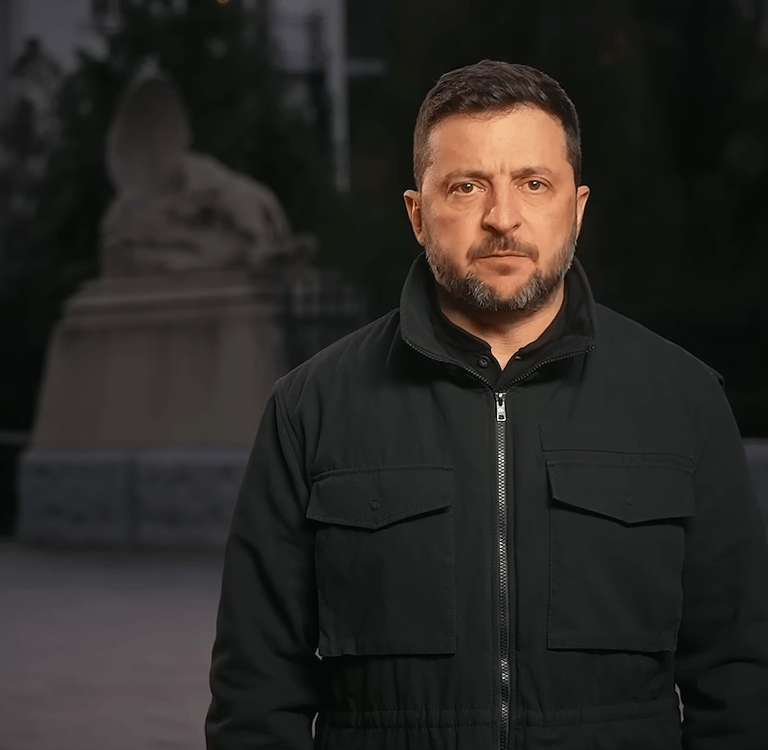
Ukraine Drops NATO Ambition: Zelensky Prioritizes Peace Talks with Russia”
Ukrainian President Volodymyr Zelensky has made a major policy shift by abandoning Ukraine’s long‑held goal of joining NATO in exchange for legally binding security guarantees from Western partners as part of renewed peace negotiations with Russia. This development, reported on 14 December 2025, marks one of the most significant changes in Ukraine’s wartime strategy since Russia’s invasion in 2022.
For years, Ukraine had vigorously pursued membership in the North Atlantic Treaty Organization as a guarantee of collective defense and protection from future Russian aggression. However, continuing resistance from both Moscow and some NATO members, along with diplomatic pressure from Western intermediaries, has made full membership increasingly unrealistic.
Instead of NATO accession, Zelensky has shifted focus toward bilateral security guarantees with countries including the United States, members of the European Union, Japan, Canada, and other allies. These commitments are designed to function similarly to NATO’s Article 5 mutual defense pact — meaning they would obligate signatories to act if Ukraine faces renewed military aggression — but without formal alliance membership.
This decision came as Zelensky and a high‑level delegation met with U.S. envoys and European leaders in Berlin, marking a critical diplomatic moment in efforts to end the nearly four‑year conflict. The U.S. delegation included special envoys such as Steve Witkoff and Jared Kushner, indicating Washington’s active role in exploring new pathways to peace. European leaders, including Germany’s Chancellor, also participated in shaping the negotiations.
The shift away from NATO membership reflects both practical realities on the ground and strategic diplomacy with Kyiv’s key allies. Russia has repeatedly made Ukraine’s permanent neutrality and abandonment of NATO aspirations a central demand in discussions — a stance Moscow insists is necessary for any long‑term peace settlement.
Despite this policy pivot, Zelensky has been clear that Ukraine will retain full control over its territory and governance. He rejects the notion that these concessions signal a surrender of sovereignty or national pride. Instead, Ukraine is seeking durable and enforceable security arrangements that would deter future aggression while preserving constitutional autonomy.
The negotiations come amid ongoing conflict on the battlefield. Both Ukraine and Russia have continued hostilities, including drone and missile attacks that have damaged critical infrastructure and disrupted power supplies for civilians, even as talks proceed in Europe.
Why This Matters
For Kyiv, the abandonment of NATO ambitions does not mean giving up on Western integration — Ukraine still aims to deepen ties with Europe and partners worldwide. However, this diplomatic compromise reflects a sober reassessment of geopolitics. It aims to unlock a negotiated peace agreement, potentially bringing an end to one of the deadliest conflicts in Europe since World War II.
Many international analysts see this shift as a strategic move that could increase the likelihood of formal peace talks advancing, especially if meaningful security guarantees can be codified and backed by legislative and defense commitments from Ukraine’s partners.
Outlook and Challenges
Experts warn that even with this policy change, peace talks face major hurdles. Moscow has shown little willingness to compromise on territorial claims, particularly in eastern Ukraine, and differences remain over the status of key regions. Ukraine’s insistence on preserving sovereignty and preventing territorial concessions remains a red line in negotiations.
Whether this diplomatic recalibration will lead to a concrete, long‑lasting peace agreement remains uncertain. But for the first time in years, global leaders and Kyiv appear to be approaching negotiations with a shared framework for security guarantees that could redefine Ukraine’s future.
Stay informed with the latest national and international news.
© 2026. All rights reserved.