
Trump Iran Deal Sparks Israeli Anxiety as US-Israel Alliance Faces New Questions
Trump's Iran deal, Israeli concerns, US sanctions relief, Lebanon ceasefire talks, and shifting Middle East alliances explained in detail.
Raja Awais Ali
6/23/20267 min read
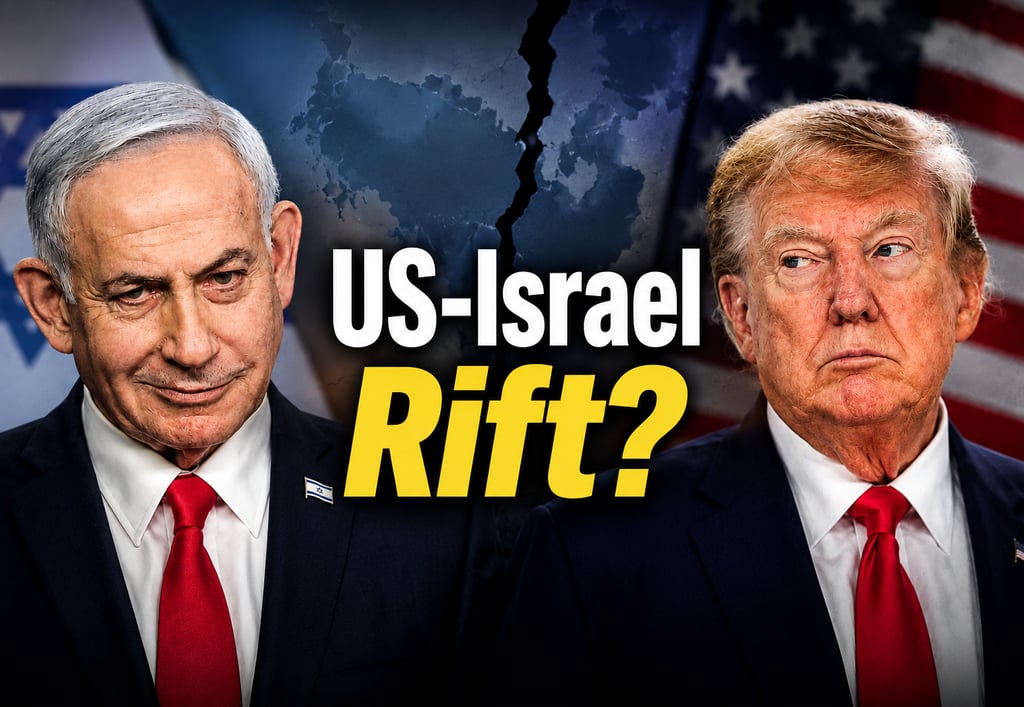
Trump’s Iran Deal, Growing Israeli Anxiety, and the Future of the US-Israel Alliance: A Deep Look at the Shifting Balance of Power in the Middle East
The Middle East seems to be entering another transformative period. A few diplomatic decisions could reshape regional security, global energy markets, and the future of key alliances. The developing diplomatic process between the United States and Iran is at the center of this story, along with rising concerns in Israel and questions about the long-standing US-Israel relationship.
For decades, the alliance between Washington and Jerusalem has been a strong strategic partnership in modern politics. Successive American administrations, regardless of party, have generally maintained consistent support for Israel. However, recent developments surrounding President Donald Trump's interim agreement with Iran and public disagreements between Trump and Israeli Prime Minister Benjamin Netanyahu have caused unusual anxiety among Israeli leaders, security officials, and the public.
This concern became especially clear during the JNS International Policy Summit in Jerusalem. Discussions often returned to a critical question: Is the relationship between the United States and Israel facing its first serious strain in years?
Many Israeli officials and analysts believe the new American approach toward Iran might strengthen a country that Israel sees as its most dangerous adversary. Israel has long argued that Iran poses a direct threat due to its military capabilities and its support for regional allies like Hezbollah in Lebanon. As a result, the idea of sanctions relief and increased economic opportunities for Tehran has raised alarms among Israeli policymakers.
US Ambassador to Israel Mike Huckabee addressed these concerns at the summit. He admitted there was significant anxiety about the future of the relationship but insisted that the bond between the United States and Israel is unbreakable. His comments aimed to reassure Israeli audiences that despite recent disagreements and controversial headlines, the strategic partnership remains strong.
Several prominent American conservatives also visited Jerusalem to support Trump's broader record and alleviate fears about his policies. Fox News commentator Mark Levin, a longtime supporter of Trump, openly criticized the emerging Iran agreement. He argued that the Iranian regime continues to destabilize the region and that he would have preferred a tougher stance toward Tehran. Despite his objections, Levin praised Trump for his support of liberty, religious freedom, Christianity, and Judaism. This message reflected a broader effort among Trump allies to distinguish disagreement over the Iran deal from support for the president.
Israeli concerns extend beyond the agreement with Iran. Many observers have also noted the increasingly critical tone some members of Trump's administration have taken toward Israeli policies. In recent weeks, Trump expressed frustration with Netanyahu and publicly questioned certain aspects of Israel's military strategy. He suggested that large-scale destruction was not always necessary when targeting specific individuals and that military operations should be more restrained. These comments stood out because Trump has historically been seen as one of Israel's strongest supporters.
Vice President JD Vance also drew attention with his remarks. While he emphasized Trump's deep sympathy for Israel, Vance stated that not every criticism of Israel should be dismissed as antisemitism. His comments suggested a more nuanced approach than what many Israelis expect from Republican leaders. For some Israeli analysts, these remarks indicated broader changes within American conservative politics.
These shifts are becoming more visible in public opinion data. A Pew Research Center survey from late March reveals a significant change among younger Republicans. While Republicans aged 50 and older still hold favorable views of Israel, younger conservatives have become more critical. The survey showed that 57% of Republicans between 18 and 49 expressed unfavorable views of Israel, up from 50% a year prior. This trend is noteworthy as younger voters will increasingly shape future American foreign policy.
Many analysts link these changing attitudes to the severe impact of the Gaza war. Following the Hamas attacks on October 7, 2023, Israel launched a major military campaign that led to widespread destruction and numerous casualties. Images from the conflict sparked criticism around the globe, including in the United States. Democratic politicians have been particularly vocal, but worries have emerged among some in the Republican electorate. Additionally, the broader conflict involving Iran has proven unpopular with many Americans, including parts of Trump's political base.
Conservative New York radio host Sid Rosenberg spoke directly to these concerns during the Jerusalem conference. He acknowledged that many Israelis were upset with Trump, but he argued they should still see him as their best option in Washington. In a remark that caught the attention of attendees, Rosenberg joked that Israelis unhappy with Trump might want to consider dealing with JD Vance instead. His comments reflected ongoing efforts by Trump supporters to reassure Israeli audiences about the president's commitment to the alliance.
Victoria Coates, vice president at the Heritage Foundation and a former deputy national security adviser during Trump's first term, also recognized the challenges facing the relationship. She described recent developments as difficult and acknowledged that the past several days have been tough for supporters of close US-Israel cooperation. Still, she highlighted many positive achievements during Trump's second term and expressed confidence that Washington and Jerusalem could restore full alignment soon.
Despite the visible anxiety in public discussions, Israeli officials close to Netanyahu have aimed to project calm. Officials familiar with the prime minister's thinking say Netanyahu does not view recent comments from Trump and Vance as a fundamental shift in American policy. They argue that critical statements may partly stem from domestic political considerations, especially ahead of the US midterm elections in November. With public frustration rising over wars in the Middle East, some Israeli officials believe American leaders are trying to appeal to voters while maintaining the core foundations of the bilateral relationship.
These officials also note there has been no sign ofmajor changes in military cooperation, weapons deliveries, intelligence sharing, or other key aspects of the alliance. However, the debate has prompted some Israeli politicians to consider long-term strategic independence.
Ohad Tal, chairman of the US-Israel Caucus in the Knesset, argues that Israel must prepare for a future with a less supportive American president. He believes Israel should continue to strengthen its military capabilities, technological advancements, and partnerships with other countries to reduce dependence on any single ally. His comments reflect a broader conversation in Israel about self-reliance and national resilience.
While these discussions took place in Jerusalem, a major diplomatic development was occurring in Switzerland. Senior American and Iranian officials met in Buergenstock for talks to build on the interim agreement signed the previous week. The negotiations, mediated by Pakistan and Qatar, produced a roadmap for a permanent agreement that both sides hope to finalize within 60 days.
One significant outcome was the US decision to waive certain sanctions on Iran for 60 days. Starting Monday, Iran can sell oil and related products and receive payments for those exports until August 21. This move offers significant economic relief for Tehran, which has suffered under years of sanctions.
For Iran, increased oil exports could mean billions of dollars in additional revenue. Iranian officials see the waiver as an important diplomatic achievement and a step toward broader economic recovery. For Israel, however, this decision raises concerns that Tehran may emerge from the process stronger economically and more confident politically.
The negotiations also addressed regional security issues beyond the nuclear question. Participants agreed on a mechanism to reduce hostilities between Israel and Hezbollah in Lebanon. Although Israel was not formally part of the broader US-Iran agreement, it recently accepted a ceasefire in Lebanon. Lebanese officials reported a sustained decline in fighting after days of intense conflict, but Israel has made it clear that it will maintain a security zone in southern Lebanon and continue addressing perceived threats.
Another important outcome involved maritime security in the Strait of Hormuz, one of the world's key energy chokepoints. The parties established communication channels to ensure the safe passage of commercial shipping and lower the risk of accidental confrontations. Oman also confirmed its commitment to international law and freedom of navigation during discussions about the waterway. As tanker traffic through Hormuz began to recover, markets reacted positively to signs of reduced regional tension.
Vice President JD Vance provided an optimistic view after the talks. He noted that negotiators had built a solid foundation for a final agreement and mentioned that progress had been made on issues like inspections, frozen assets, and ceasefire arrangements. Vance said Iran agreed to allow inspectors access to support what Trump later referred to as "nuclear honesty."
However, Iranian officials had a different take on the situation. Foreign Ministry spokesperson Esmaeil Baghaei said Tehran had not yet engaged in serious discussions about its nuclear program and had not made any new commitments regarding that. These differing accounts underscored the complexity of the negotiations and suggested that significant disagreements remained.
President Trump emphasized the conditional nature of the agreement by warning that the United States would take action if Iran did not meet its obligations. He stated that if Iran did not uphold the deal or acted improperly, he would take necessary steps to safeguard American interests.
Another major issue was Iran's frozen assets abroad. According to Vance, White House envoy Jared Kushner created a plan for the United States and Qatar to oversee certain Iranian funds once they were released. Vance suggested that some of the money could go toward buying American agricultural products like corn, soybeans, and wheat. Trump later pointed out the potential benefits for American farmers, claiming that this arrangement could support US agriculture while giving controlled economic relief to Iran.
Again, Iranian officials contested parts of the American description. Central Bank Governor Abdolnaser Hemmati stated that Iran was not obligated to use the released funds solely for American products. He argued that at least some of the money could be spent on other non-sanctioned goods, illustrating the ongoing differences between the two sides regarding implementation details.
Financial markets closely watched each stage of the negotiations. Oil prices dropped sharply as investors responded to signs of diplomatic progress and the possibility of increased Iranian exports. Crude oil settled about 3% lower on Monday and continued to face pressure on Tuesday. Market participants believe that reduced regional tensions combined with increased Iranian oil production could boost global supply and alleviate concerns about disruptions.
Ultimately, the developments unfolding across Jerusalem, Washington, Tehran, Lebanon, and Switzerland indicate something larger than a single diplomatic agreement. They reflect a broader reassessment of alliances, security arrangements, and power dynamics throughout the Middle East. Israel is questioning how much it can trust future American administrations. Iran is looking for economic recovery and international recognition. The United States is trying to balance pressure and diplomacy while responding to changing domestic political conditions.
The next 60 days could be crucial. Success might lead to a more comprehensive agreement between Washington and Tehran, reduced regional tensions, improved energy market stability, and a new era in Middle Eastern diplomacy. Failure could reignite confrontations, restore economic pressure, and deepen existing divisions. Regardless, the decisions made in this period will likely shape the strategic landscape of the Middle East for years to come.
Stay informed with the latest national and international news.
© 2026. All rights reserved.