
Trump Heads to Georgia as Republicans Fear Election Claims Could Hurt Senate Race Turnout
President Donald Trump campaigns in Georgia as Republicans worry that claims of election fraud could reduce voter turnout. Explore the key Senate race, polling data, and political impact.
Raja Awais Ali
7/22/20264 min read
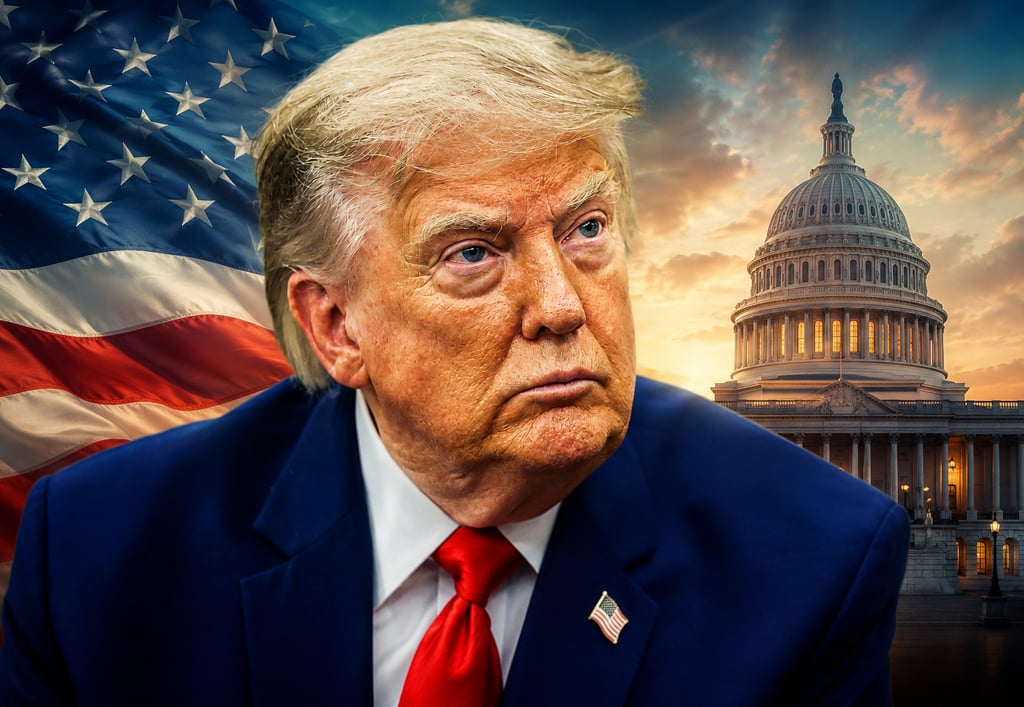
Trump Heads to Georgia as Republicans Fear Election Claims Could Hurt Senate Race Turnout
President Donald Trump is planning a campaign rally in Marietta, Georgia, on July 22, 2026. This visit comes as Georgia has become a critical political battleground in the United States again. Republicans are preparing for the key 2026 midterm elections, and there are rising concerns that Trump's focus on election fraud claims could discourage some supporters from voting. With control of Congress at stake and Georgia's Senate race drawing national attention, both Republicans and Democrats are watching Trump's appearance closely.
Georgia has been a focal point in American political debates since the 2020 presidential election, when Trump lost the state to Democrat Joe Biden. Since then, he has criticized Georgia's election system and questioned the integrity of the voting process repeatedly. A Reuters review shows Trump has publicly challenged Georgia's voting system at least nine times since January 2026 through speeches, interviews, and public appearances. In a June podcast, he called the 2020 election in Georgia "rigged." A few days later, during a telephone rally for the Republican gubernatorial nominee, he claimed American elections were "corrupt." Last week, Trump highlighted the issue in a nationally televised address, questioning election security across the country.
The Marietta rally will be Trump's first campaign event since that prime-time address. It is expected to attract significant attention because of the political stakes involved. While Trump emphasizes election integrity, some Republicans in Georgia are concerned that repeated talks about fraud could backfire. They worry that voters who doubt the system may become less motivated to vote, ultimately harming Republican candidates in November.
Eric Johnson, the former Republican leader of the Georgia Senate and state chair of RightCount, a conservative group that supports state-run elections, has voiced concern. Johnson believes ongoing discussions about election fraud can hurt Republican efforts in Georgia by dampening enthusiasm among Trump's supporters. He argues that when voters keep hearing that elections are untrustworthy, some might feel casting a ballot is pointless.
However, the White House states that Trump's message in Georgia will focus on policy achievements rather than election disputes. White House spokesperson Liz Huston said the president plans to showcase his pro-family agenda, including tax breaks and savings account programs meant to help American families build financial security. According to the administration, these policies aim to give children a better financial foundation, promote savings, and create more economic opportunities for future generations.
Georgia's political importance goes beyond one campaign rally. The state's Senate race is one of the most closely watched contests in the 2026 election cycle. Democratic Senator Jon Ossoff is running for reelection in a race that could influence which party controls Congress after the midterms. Ossoff first secured his Senate seat in the historic 2021 runoff elections alongside fellow Democrat Raphael Warnock, flipping seats that were traditionally held by Republicans and altering Georgia's political landscape.
This year, Ossoff faces Republican Congressman Mike Collins, a 59-year-old candidate who strongly supports Trump's stance on election security. The two candidates have frequently clashed over voting laws and election integrity, making these issues a centerpiece of the campaign. Ossoff has always rejected Trump's election claims and has referred to him as the "world's most famous sore loser."
In response to Trump's visit, an Ossoff campaign spokesperson argued that the president continues to focus on election conspiracy theories while many Americans worry about rising living costs and economic issues. The campaign suggested that bringing up old election disputes could motivate voters to reject Trump and Republican candidates in November instead of helping them.
On the other hand, Collins has defended Trump's worries about election security and called for stricter voting requirements. In a CNN interview earlier this year, Collins said he believed Trump won Georgia in 2020, despite multiple recounts confirming Biden's victory. Collins argues that election integrity is not just a partisan issue; it's a fundamental democratic principle. He insists that ensuring all voters are eligible and are American citizens is key to maintaining confidence in the electoral system and reflects the views of many Americans.
Recent polling highlights challenges for Republicans in this race. A Fox News survey from July 2026 found Ossoff leading Collins by 13 percentage points among registered voters. While polls are not always accurate predictors of outcomes, these numbers suggest Democrats have an advantage in one of the country's most competitive Senate contests.
Georgia already has some of the strictest voting rules in the nation. State law requires voters to show identification before voting. Following the 2020 election, Republican lawmakers also enacted additional measures that limited the use of ballot drop boxes and tightened absentee voting rules. Supporters claim these changes enhance election security, while critics argue they make it harder for some citizens to vote.
Despite these reforms, election security remains a significant worry for many Republican voters. Mary Clarice Hathaway, chair of the Republican Party in Cobb County, where Trump's rally will take place, acknowledged that worries about election integrity still impact voter attitudes. She noted that some Republicans have become so skeptical about the process that they question whether they should vote at all. Hathaway encouraged voters not to stay home, stressing that participating in elections is the most effective way to influence political outcomes.
Trump's visit to Georgia, therefore, is much more than just another campaign stop. It will test whether his focus on elections can energize Republican voters ahead of the midterms or if it could unintentionally suppress turnout in a state where every vote counts. With control of Congress potentially at stake, a competitive Senate race in progress, and both parties striving for momentum, Georgia once again stands out as a key political battleground in America. The outcome in November may not only decide Georgia's Senate representation but could also shape the power balance in Washington for years to come.
Stay informed with the latest national and international news.
© 2026. All rights reserved.