
Trump to Issue Executive Order for National AI Rules | U.S. AI News 2025
President Trump plans an executive order to unify AI rules across the U.S., promoting innovation while addressing risks like privacy and data protection.
Raja Awais Ali
12/8/20251 min read
Trump to Issue Executive Order Establishing National AI Rules: Unified Federal Framework
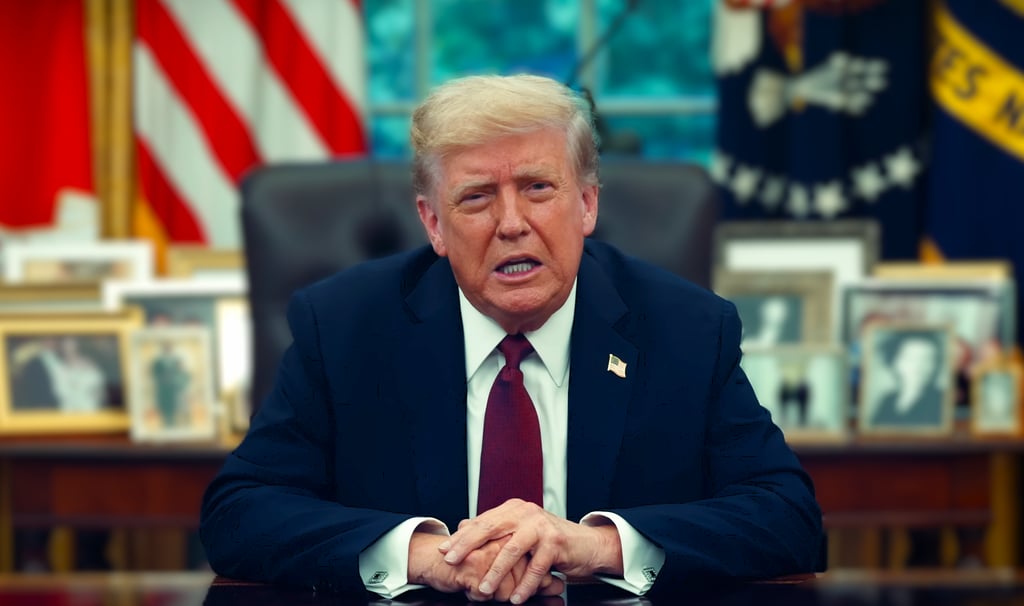
On 8 December 2025, U.S. President Donald J. Trump announced plans to issue an executive order aimed at creating uniform federal rules and regulations for artificial intelligence (AI) across the United States. According to President Trump, the existing patchwork of state-level laws and approval processes has hindered AI industry growth, and this executive order reportedly aims to implement a “One Rulebook”, potentially freeing companies from the burden of obtaining separate approvals from multiple states.
The order is intended to establish an organized federal framework to resolve conflicts among state laws and provide a smoother environment for AI development and innovation. While federal regulations under this order are expected to take precedence over state-level AI rules, the exact details and implementation are not yet public.
Major technology companies, including OpenAI, Google, and Meta, have expressed support for this initiative, citing the challenges posed by varying state laws, which can slow down innovation and business growth in the AI sector.
However, the executive order has faced criticism. Opponents argue that it may undermine state autonomy and local public safety concerns, potentially bypassing more cautious state-level safeguards. Experts have also warned that oversight at the local level is crucial to address potential AI risks, including privacy, data protection, and social responsibility.
This move is viewed as part of President Trump’s broader efforts to ensure that the U.S. maintains a competitive edge in AI technology while preventing complex and inconsistent regulations from stifling innovation. In previous years, he also released a comprehensive AI Action Plan, which included federal investment, infrastructure expansion, and regulatory flexibility to support AI development.
Overall, if implemented, this executive order could provide the U.S. AI industry with a unified, standardized framework to operate under consistent rules, promoting innovation and technological growth. The success of the initiative will depend on how the regulations are finalized and implemented, ensuring that the benefits of AI are realized while mitigating potential social and ethical risks.
Stay informed with the latest national and international news.
© 2026. All rights reserved.