
Trump Set to Expand Immigration Crackdown in 2026 Despite Backlash – Full Report
Trump plans to expand immigration enforcement in 2026, including deportations, travel bans, and TPS terminations, despite legal and public backlash.
Raja Awais Ali
12/21/20252 min read
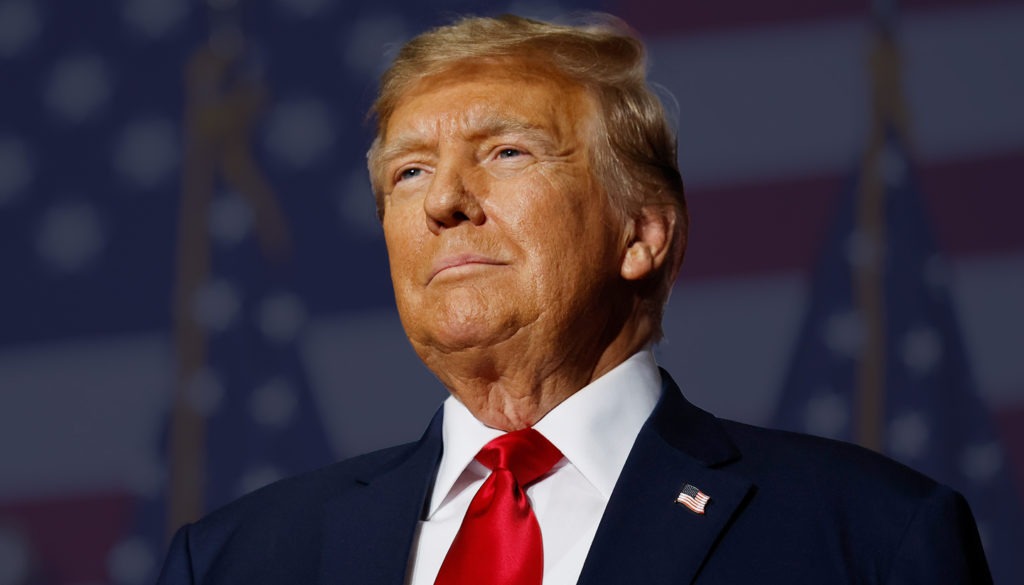
Trump Set to Expand Immigration Crackdown in 2026 Despite Growing Backlash
As of 21 December 2025, U.S. President Donald Trump is preparing to significantly expand his immigration enforcement policies in 2026, a move that has sparked political and public debate. The expansion includes deportations, workplace raids, border security measures, travel bans, and visa restrictions, backed by billions of dollars in planned funding. These steps are drawing criticism from civil rights groups, legal experts, and humanitarian organizations who warn of long-term social and economic consequences.
Funding and Government Plans
The Trump administration intends to allocate approximately $170 billion to agencies such as U.S. Immigration and Customs Enforcement (ICE) and U.S. Border Patrol. The funding aims to strengthen border security, conduct workplace raids, and implement large-scale deportation campaigns. Analysts note that these measures are designed to reinforce both policy objectives and political influence, especially in swing states and areas with high immigrant populations.
Deportations and Statistics
By mid-2025, it is estimated that hundreds of thousands of immigrants were deported under the Trump administration. The U.S. immigrant population, which stood at approximately 53.3 million in early 2025, dropped by over 1.4 million by mid-year. Additionally, denaturalization cases are expected to rise sharply, with 100–200 cases per month, compared with a historical average of fewer than a dozen annually. These actions are likely to impact families, separating relatives and creating legal complications for residents across the country.
Travel Bans and Visa Restrictions
The administration has expanded travel bans and visa restrictions to citizens from multiple countries, including Syria, Niger, Mali, and South Sudan. While the policy is justified under national security grounds, critics argue it may promote racial and religious bias, affecting students, workers, and families.
TPS Termination and Legal Protections
Thousands of Ethiopian immigrants lost Temporary Protected Status (TPS), with deadlines requiring them to leave the U.S. or face detention by February 2026. Human rights groups have expressed strong concern, warning that these measures violate international protections and risk humanitarian harm.
Judicial and Public Response
The expansion has prompted protests from civil rights organizations and multiple legal challenges in U.S. courts. Some rulings have temporarily blocked parts of enforcement actions. Experts warn that these policies could violate constitutional and legal rights, while political analysts suggest they may also influence the 2026 midterm elections.
Economic and Social Implications
Stricter immigration enforcement could have broad economic and social effects. Analysts predict potential labor shortages in agriculture, healthcare, and construction sectors, along with slower economic growth. Families may face separation, increased stress, and reduced community cohesion, highlighting the human cost of policy changes.
Conclusion
Trump’s 2026 immigration policy is poised to become a major political, legal, and human rights issue. Its impact will extend beyond immigrant communities to the U.S. economy and political landscape. While the administration argues that these measures are necessary for law enforcement and national security, critics view them as a violation of human rights and legal protections. The year 2026 will be pivotal in determining the balance between security, legality, and humanitarian considerations in U.S. immigration policy.
Stay informed with the latest national and international news.
© 2026. All rights reserved.