
Tesla Quarterly Deliveries Fall More Than Expected Amid Weak EV Demand | January 2026
Tesla reports 418,227 Q4 2025 deliveries, down 15.6%, highlighting weaker EV demand and increased competition as the EV market slows globally.
Raja Awais Ali
1/2/20262 min read
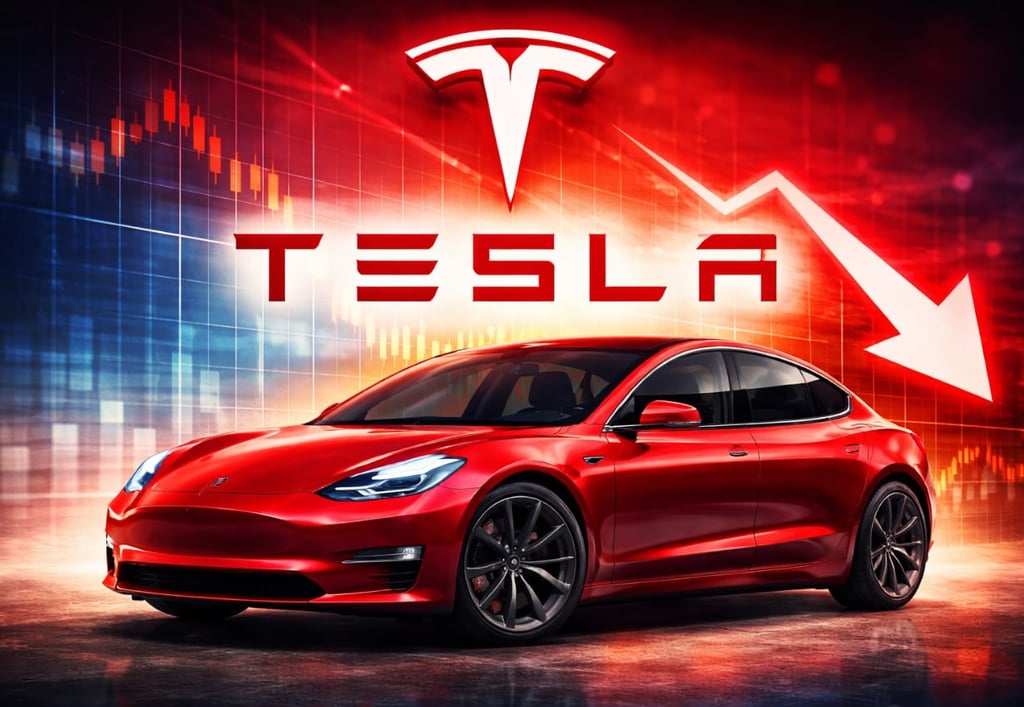
Tesla Quarterly Deliveries Fall More Than Expected Amid Weak EV Demand
On 2 January 2026, U.S. electric vehicle manufacturer Tesla reported a larger-than-expected decline in its quarterly vehicle deliveries, highlighting weakening demand in key global markets and intensifying competition in the EV sector.
According to Tesla’s latest report, the company delivered 418,227 vehicles in the fourth quarter of 2025, representing a 15.6% decline compared with the same period last year. This figure also fell short of analysts’ expectations of approximately 434,000 deliveries, signaling a slowdown in global EV sales.
For the full year, Tesla delivered around 1.64 million vehicles in 2025, down from 1.79 million in 2024, marking the second consecutive year of annual delivery declines. Experts attribute part of this drop to the expiration of the U.S. federal EV tax credit in September 2025, which had previously incentivized buyers to purchase electric vehicles. With the $7,500 incentive no longer available, many potential customers delayed or reconsidered their EV purchases.
Another key factor is increased competition, particularly from Chinese manufacturers such as BYD, whose low-priced EV models have gained market share in Europe and Asia, challenging Tesla’s dominance.
In response to the softer demand, Tesla introduced lower-priced versions of its Model 3 and Model Y to attract cost-conscious buyers. However, these measures have had limited impact on reversing the quarterly delivery decline. Despite weaker delivery numbers, Tesla continues to invest in future technologies, including self-driving software, robotics, and robotaxis, which remain important growth drivers and maintain investor confidence.
Tesla’s stock rose by approximately 11% in 2025, reflecting optimism around its technology and long-term prospects. Nevertheless, EV deliveries remain a core revenue driver, and shortfalls in this area highlight the challenges the company faces in sustaining growth in its traditional automotive business.
Industry analysts also point out that Tesla’s results reflect broader trends in the EV sector. Global demand has cooled due to macroeconomic pressures, changes in consumer preferences, and the normalization of EV sales after temporary incentives. At the same time, more affordable and competitive EV offerings from other manufacturers are affecting Tesla’s market share.
Looking ahead, analysts will closely monitor Tesla’s performance in North America, Europe, and China. Success in stabilizing deliveries and maintaining market presence will depend on production efficiency, pricing strategies, and new model launches. In the near term, the EV market is expected to remain competitive and volatile, with demand fluctuations posing challenges for all manufacturers.
In summary, Tesla’s fourth-quarter deliveries fell more than expected, reflecting weaker EV demand and heightened competition. While the company continues to focus on future technologies, addressing the slowdown in traditional vehicle deliveries will be critical for sustaining growth in 2026.
Stay informed with the latest national and international news.
© 2026. All rights reserved.