
Saudi Arabia Issues National Security Warning as UAE Forces Are Asked to Leave Yemen
Saudi Arabia declares national security a red line as UAE forces are asked to withdraw from Yemen, escalating regional tensions on December 30, 2025.
Raja Awais Ali
12/30/20252 min read
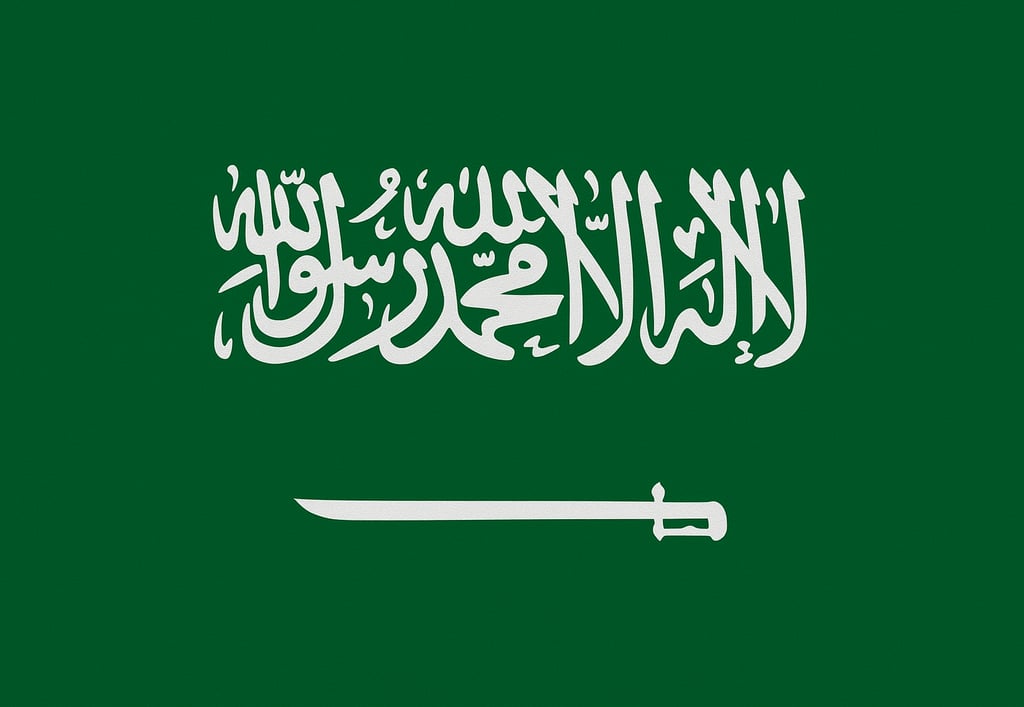

Saudi Arabia Issues National Security Warning as UAE Forces Are Asked to Leave Yemen
Saudi Arabia has issued a firm national security warning after formally calling on the United Arab Emirates (UAE) to withdraw its military forces from Yemen, marking a serious escalation in tensions between two long-time regional partners. The development has sent shockwaves across the Middle East, raising concerns over regional stability, alliance cohesion, and the future trajectory of the Yemen conflict.
In an official statement released on December 30, Saudi authorities stressed that the Kingdom’s national security is a “red line” and cannot be compromised under any circumstances. Riyadh expressed grave concern over military activities in Yemen that it said were conducted without sufficient coordination and posed direct risks to Saudi border security and broader regional stability.
Saudi officials warned that the continued presence of foreign forces in sensitive parts of Yemen — particularly near strategic ports and border regions — could undermine ongoing stabilization efforts. The statement emphasized that unilateral military actions threaten the fragile balance maintained through years of diplomatic and security coordination.
Yemen has remained mired in conflict since 2015, when Houthi forces seized large swathes of the country, prompting a Saudi-led coalition to intervene in support of the internationally recognized Yemeni government. The UAE played a central role in the coalition, especially in counterterrorism operations and securing coastal areas. However, in recent years, strategic differences between Riyadh and Abu Dhabi have increasingly surfaced.
Saudi Arabia has raised concerns over alleged backing of local armed groups operating outside the authority of Yemen’s central government. According to Saudi officials, such actions risk deepening internal divisions, weakening state institutions, and prolonging the conflict. Riyadh reiterated that all military and security activities in Yemen must respect Yemeni sovereignty and align with internationally recognized frameworks.
The Yemeni government also reacted strongly, reaffirming that it does not permit unauthorized foreign military deployments on its territory. Senior Yemeni officials warned that rising tensions among allied partners could derail peace negotiations and further worsen the humanitarian crisis facing millions of civilians.
Regional analysts describe Saudi Arabia’s warning as one of the clearest signs yet of growing friction within the Gulf alliance over Yemen. While Saudi Arabia and the UAE continue to share broad economic and security interests, Yemen has emerged as a focal point where strategic priorities diverge. Prolonged disagreements, experts caution, could weaken collective Gulf security arrangements and embolden hostile actors.
The international community has urged restraint and dialogue. Global powers and diplomatic missions have called on all parties to prioritize political solutions and avoid steps that could escalate the conflict further. The United Nations continues to warn that Yemen remains one of the world’s worst humanitarian crises, marked by widespread food insecurity, displacement, and limited access to healthcare.
Observers believe the coming days will be critical in determining whether the situation moves toward diplomatic de-escalation or deeper confrontation. Saudi Arabia’s firm stance underscores its determination to protect national security interests while signaling that the Yemen conflict has entered a more complex and sensitive phase.
Stay informed with the latest national and international news.
© 2026. All rights reserved.