
Russia and India Plan to Expand and Diversify Trade — Latest Update 4 December 2025
Russia and India set new goals to expand and diversify trade beyond energy, targeting USD 100B by 2030. Full 4 December 2025 latest update.
Raja Awais Ali
12/4/20252 min read
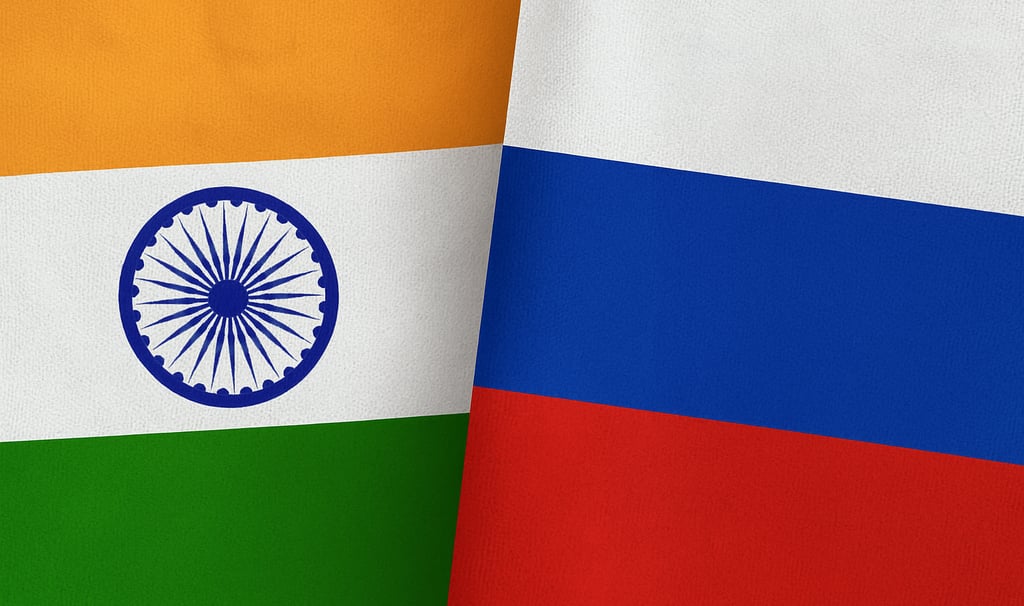
Russia and India Commit to Expanding and Diversifying Bilateral Trade
Russia and India confirmed on 4 December 2025 that both nations are moving toward a deeper, more diversified trade partnership aimed at reducing imbalances and expanding cooperation across new sectors. This announcement comes at a crucial time, as bilateral trade has surged significantly in recent years but remained heavily tilted toward Russian energy exports—especially crude oil.
According to official data, bilateral trade reached approximately USD 68.7 billion in the 2024–25 financial year, a nearly seven-fold increase compared to 2021. While this growth reflects strong economic momentum, the trade structure has become highly one-sided. To address this imbalance, both countries have now decided to expand cooperation beyond energy and create new avenues for mutual economic gain.
Russia has expressed clear interest in increasing imports of Indian goods and services. These include pharmaceuticals, agricultural products, machinery, engineering goods, electronics, chemicals, and processed food items. Indian officials and industry leaders welcomed Russia’s readiness and believe that this shift will allow Indian companies to gain stronger access to the Russian market.
India has also identified a number of sectors where exports to Russia can be significantly increased, such as pharmaceuticals, engineering equipment, marine products, agricultural goods, and high-value manufactured items. The Indian government has emphasized the need to streamline logistics, reduce financial barriers, and create smoother payment channels to ensure uninterrupted trade despite geopolitical pressure and global economic uncertainty.
Russia’s deputy prime minister stated that both countries aim to enhance cooperation in metallurgy, minerals, machine building, chemicals, and the pharmaceutical industry. He highlighted that joint industrial projects, increased investment, and technology exchange will form the backbone of a stronger economic relationship in the coming years.
Economic analysts say the deepening Russia–India partnership holds global significance. Despite Western sanctions and global market volatility, both nations have shown that strategic cooperation can protect their economic interests while promoting regional stability. Their expanding trade roadmap also serves as a model for countries seeking diversified and resilient economic ties in an unpredictable international environment.
Russia and India have set an ambitious target: raising annual bilateral trade to USD 100 billion by 2030. Experts believe this goal is realistic if both countries continue diversifying beyond oil and strengthen cooperation in industrial, technical, and agricultural sectors. Achieving this target would not only rebalance trade but also elevate economic relations to an unprecedented level of trust and strategic alignment.
Ultimately, Russia and India are entering a new phase of economic partnership. With broader trade diversification, deeper industrial cooperation, market expansion, and streamlined financial mechanisms, both nations are moving toward a stable, sustainable, and mutually beneficial economic future. These advancements are expected to shape regional and global economic dynamics in the years ahead.
Stay informed with the latest national and international news.
© 2026. All rights reserved.