
Putin Sticks to Russian Demands on Ukraine, Says EU ‘Robbery’ Plan Failed | Latest News
On 19 December 2025, Vladimir Putin reaffirmed Russia’s demands on Ukraine, calling the EU’s plan to use frozen Russian assets a failure. Read full verified details
Raja Awais Ali
12/19/20252 min read
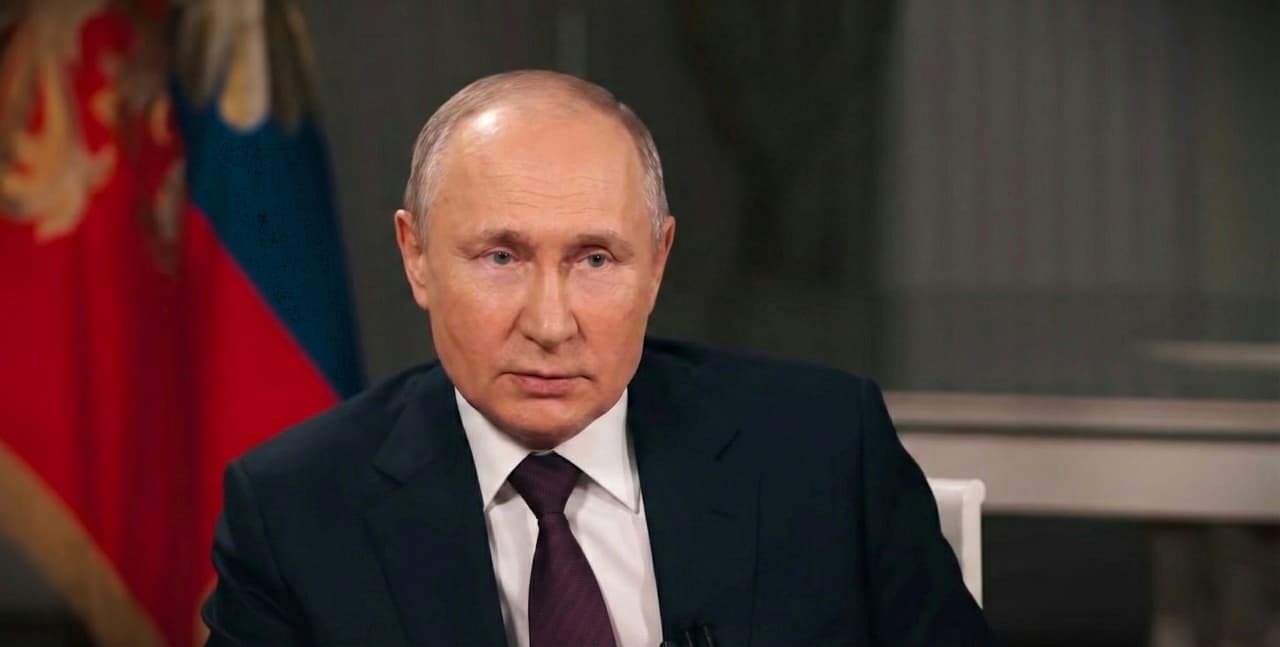
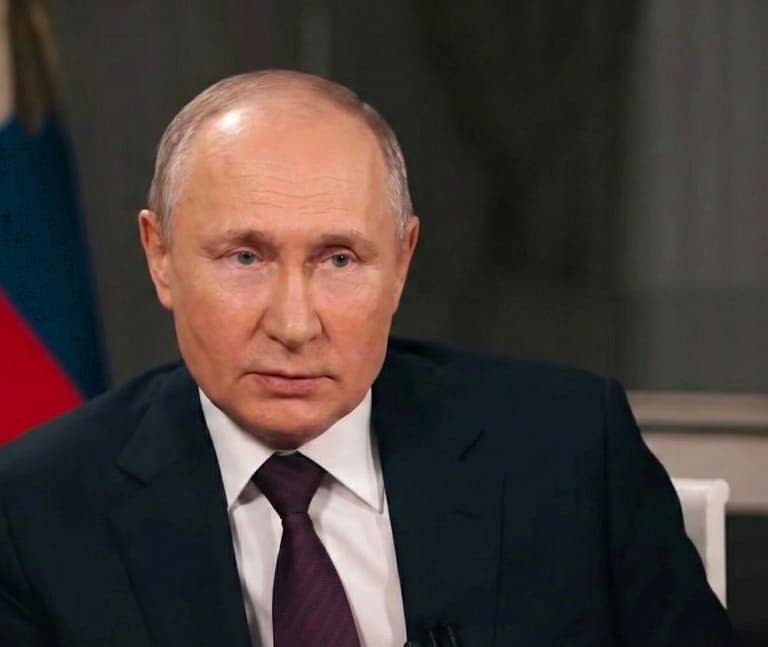
Putin Sticks to Russian Demands on Ukraine, Says EU ‘Robbery’ Plan Failed
On 19 December 2025, Russian President Vladimir Putin made it clear that Moscow remains firmly committed to its demands regarding the war in Ukraine, offering no compromise on key political or territorial conditions. Speaking during his annual end-of-year press conference, Putin also claimed that the European Union’s attempt to use frozen Russian assets to support Ukraine had failed, describing the proposal as an act of “open robbery.”
Putin reiterated that Russia’s conditions for ending the conflict remain unchanged. These include Ukraine abandoning its ambitions to join NATO, accepting Russia’s territorial claims, and agreeing to long-term security guarantees demanded by Moscow. According to Putin, any peace talks that ignore these requirements would be meaningless, signaling that negotiations remain at a deadlock.
The Russian president strongly criticized Western governments, particularly the EU, for considering the use of billions of euros in frozen Russian state assets to help finance Ukraine’s war effort. He argued that such actions would violate international law and undermine trust in the global financial system. Putin stated that Europe ultimately failed to reach consensus on directly seizing the assets, which he portrayed as a victory for Russia’s legal position.
Earlier this week, the European Union announced a €90 billion loan package for Ukraine, backed by future profits from frozen Russian assets rather than direct confiscation. While EU leaders framed the decision as a pragmatic solution to internal disagreements, Putin claimed it showed that Europe had backed away from what he called an illegal and dangerous precedent.
Putin also warned that using frozen assets could have wider consequences beyond Russia. He suggested that countries holding reserves in European financial institutions may reconsider their exposure if such measures become normalized. According to him, this could weaken confidence in the euro and damage Europe’s standing as a safe financial hub.
On the battlefield, Putin repeated claims that Russian forces were maintaining pressure and achieving gradual progress, though Ukraine and its Western allies dispute these assertions. Kyiv continues to insist that Russia’s demands amount to surrender and has rejected any settlement that compromises Ukraine’s sovereignty or territorial integrity.
Meanwhile, Ukrainian President Volodymyr Zelensky welcomed the EU’s financial support, calling it a strong signal of continued Western commitment. Ukrainian officials say the funds will help stabilize the economy and sustain defense efforts amid ongoing fighting and infrastructure damage.
The contrasting statements highlight how far apart the two sides remain. While Russia emphasizes its conditions and legal arguments, the EU and Ukraine continue to focus on economic support, sanctions, and military assistance. Analysts say the dispute over frozen assets reflects a broader struggle between Russia and the West over legal norms, financial power, and the future security order in Europe.
As of 19 December 2025, there is little indication that a diplomatic breakthrough is imminent. Putin’s firm stance and the EU’s continued backing of Ukraine suggest the conflict will remain unresolved, with political tensions and economic pressure continuing well into the coming year.
Stay informed with the latest national and international news.
© 2026. All rights reserved.