
Pakistan-Afghanistan Tensions: Kabul Airstrikes and Drone Incidents Cause Civilian Casualties – 13 March 2026
Pakistani airstrikes on Kabul and southern Afghanistan kill civilians, while drone activity over Islamabad and Rawalpindi raises tensions. Latest verified updates on Kam Air depot strike, UNAMA civilian reports, and Taliban counterclaims as of 13 March 2026.
Raja Awais Ali
3/13/20263 min read
Pakistan-Afghanistan Tensions Escalate: Kabul Airstrikes and Drone Operations Cause Civilian Casualties
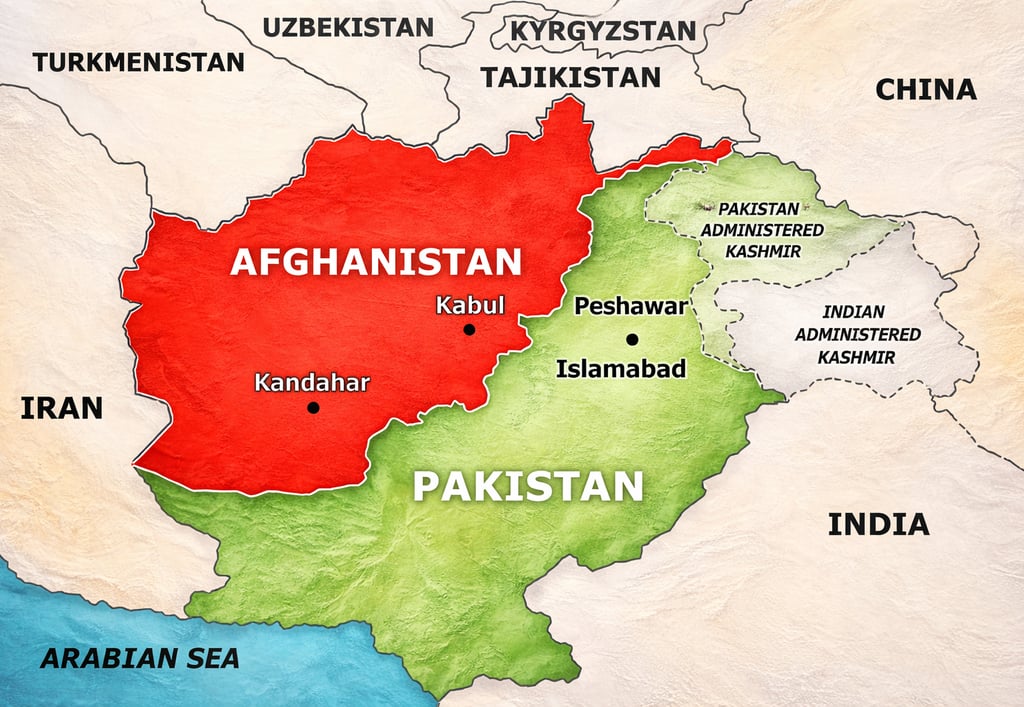
Tensions between Pakistan and Afghanistan intensified on 13 March 2026, as Pakistani airstrikes targeted residential neighborhoods and strategic sites in Kabul, resulting in confirmed civilian casualties. Taliban officials reported that at least four civilians were killed and several more injured, including women and children, while a mortar strike in eastern Nangarhar province killed a woman and a child. The United Nations Assistance Mission in Afghanistan (UNAMA) confirmed civilian deaths in the Pul-e-Charkhi area, highlighting the humanitarian impact of the strikes.
The most contentious target of the recent strikes was the fuel depot of private airline Kam Air near Kandahar Airport, which supplies fuel to civilian flights as well as UN humanitarian aircraft. Taliban officials strongly condemned the attack, warning that it could disrupt critical aid operations. Pakistani authorities maintained that the operation, named “Ghazb lil Haq,” was aimed at militant camps and terrorist support infrastructure, not civilian areas. Nonetheless, residents in Kabul reported significant damage to homes and local infrastructure, underscoring the conflict’s impact on ordinary citizens.
In a related development, Pakistani security forces neutralized two drones over Islamabad and Rawalpindi, using electronic countermeasures. Officials said there were no casualties or damage, and it remained unclear where the drones originated or what their intended targets were. This incident highlighted the growing security concerns along Pakistan’s borders and the heightened risk of cross-border escalation.
Meanwhile, the Afghan Taliban Ministry of Defence claimed that its forces conducted drone strikes on the Hamza military camp near Faizabad, targeting command centers and critical facilities in retaliation for Pakistani airstrikes. Islamabad police quickly responded by securing the area, and the Civil Aviation Authority temporarily suspended operations at Islamabad International Airport, although flights resumed normal operations shortly thereafter. Earlier on the same day, Taliban authorities claimed that a drone strike hit a Pakistani military post in Kohat, reportedly in response to previous Pakistani bombings. These incidents illustrate the ongoing cycle of retaliatory actions and heightened tensions between the neighboring countries.
Residents of Kabul described scenes of terror during the night of the airstrikes. Families reported dust and debris filling their homes, broken windows, and frantic efforts to protect loved ones. One resident from District 21 noted, “This entire area is residential… many very poor people live here. There is not a single government or military facility.” Such firsthand accounts suggest that civilian harm may be higher than official figures indicate.
International observers expressed deep concern over the renewed conflict. The United Nations repeatedly called on all parties to ensure the protection of civilians and adhere to international humanitarian law. China, Russia, and Iran also warned that continued escalation could threaten regional stability. Earlier Chinese mediation had temporarily reduced clashes, but the recent airstrikes and drone operations underscore the fragility of these efforts.
Pakistan maintains that militant bases in Afghanistan pose a direct threat to its security, while the Taliban assert that Pakistan must address its internal security challenges without violating Afghan sovereignty. The ongoing border tensions have disrupted daily life, damaged essential services, and heightened fears of a larger humanitarian crisis.
This current wave of violence represents one of the most severe escalations in decades. Civilian casualties are mounting, and retaliatory actions continue, raising security and humanitarian concerns across the region. International actors emphasize that dialogue, mediation, and adherence to humanitarian principles are essential to prevent further loss of civilian life and to restore stability along the Pakistan-Afghanistan border.
As civilian casualties rise and infrastructure damage accumulates, the potential for further escalation remains significant. Without concerted diplomatic intervention, Pakistan-Afghanistan tensions could destabilize the broader region, endangering lives and humanitarian operations. The international community continues to monitor developments closely, emphasizing that dialogue and adherence to global norms remain essential to preserving peace and stability in South Asia.
Stay informed with the latest national and international news.
© 2026. All rights reserved.