
Pakistan–Afghanistan Border Shelling Enters 7th Day, Fear Grows
Heavy shelling and explosions along the Pakistan–Afghanistan border enter a seventh day, forcing families to flee as tensions escalate on March 4, 2026.
Raja Awais Ali
3/4/20263 min read
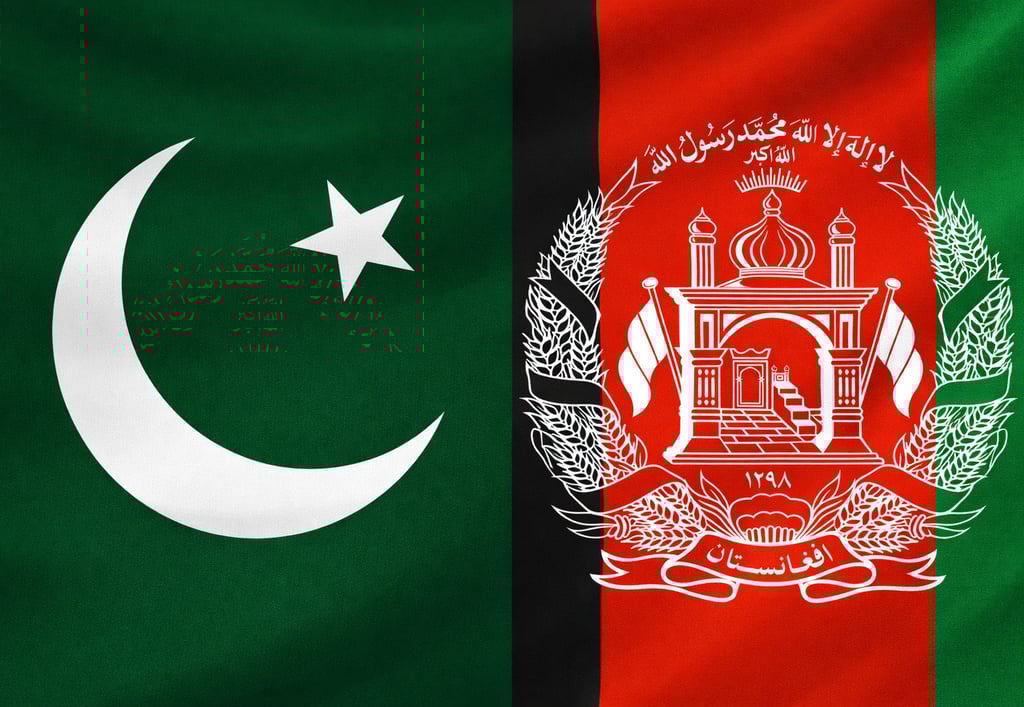
Pakistan–Afghanistan Border Sees Seventh Day of Heavy Shelling, Fear Grows as Families Flee | March 4, 2026
Heavy shelling and powerful explosions along the border between Pakistan and Afghanistan have entered a seventh consecutive day, pushing the region into one of its most dangerous escalations in years. As of March 4, 2026, residents living on both sides of the border say fear and uncertainty are forcing families to consider fleeing their homes amid sustained fighting between troops from both countries.
According to local residents and officials, the fighting has intensified over the past week, with artillery fire, mortar shelling, and loud explosions shaking border towns and villages. The renewed violence follows Pakistani airstrikes carried out last week inside Afghanistan, a move that sharply raised tensions between the two South Asian neighbours and added further instability to an already volatile region.
Fighting Erupts at Sunset During Ramadan
One of the most distressing aspects of the conflict, residents say, is the timing of the shelling. In many border areas, the fighting begins in the evening—often at sunset—coinciding with the moment families are breaking their fast during the holy month of Ramadan.
Residents in Pakistan’s northwestern border towns report that daytime hours are often quiet, creating a false sense of calm. But as dusk approaches, the sound of artillery and gunfire resumes, placing homes directly in the line of fire. Families describe breaking their fast under extreme stress, uncertain whether the next explosion could strike their house.
Several villagers said repeated shelling over recent days has damaged homes, terrified children, and forced families to spend nights awake or seek shelter elsewhere. Schools have been shut down, markets are deserted, and daily life in many areas has effectively come to a standstill.
Displacement and Humanitarian Strain
On the Afghan side of the border, residents report similar scenes of fear and displacement. Entire communities have been forced to leave their homes as fighting spreads along key crossing points and surrounding districts. Hundreds of families are now living in makeshift tents in open fields, while others lack any form of shelter.
Officials estimate that around 1,500 families have been displaced so far, highlighting a growing humanitarian crisis. Access to food, clean water, and medical care is becoming increasingly difficult, particularly for women, children, and the elderly.
Aid workers warn that continued fighting could worsen conditions rapidly if safe access for humanitarian assistance is not secured.
Claims, Counterclaims, and Unverified Losses
The conflict stretches across the 2,600-kilometre border, with clashes flaring up and subsiding at different points throughout the week. Both Pakistan and Afghanistan claim to have inflicted heavy losses on the other side and to have gained ground during the fighting. However, independent verification of these claims remains impossible due to restricted access to the conflict zones.
Afghan officials have claimed that their forces shot down a Pakistani drone and captured several border posts during recent exchanges. They also allege significant civilian casualties, including women and children, though casualty figures vary widely across different sources.
Pakistan has strongly disputed these claims. Officials in Islamabad insist that their military operations are carefully targeted and focused solely on militant groups and supporting infrastructure, denying that civilian areas or structures have been deliberately hit.
Airstrikes and Strategic Targets
Pakistan maintains that its recent airstrikes were aimed at dismantling militant networks operating from Afghan territory, which it accuses of carrying out attacks inside Pakistan. According to Pakistani officials, these strikes targeted ammunition depots and military equipment, including locations near Bagram Air Base, a former major command centre used by foreign forces during the two-decade Afghan war.
Afghan authorities reject accusations of supporting militant groups and argue that Pakistan’s actions violate Afghan sovereignty and risk dragging the region into a prolonged conflict.
International Concern and Mediation Efforts
The escalating violence has drawn growing concern from the international community. Several countries have urged both sides to exercise restraint and avoid further escalation. Turkey has offered to help mediate and restore a ceasefire, as diplomatic options narrow amid wider instability in the Middle East.
Analysts warn that without immediate dialogue and de-escalation, the conflict could spiral into a longer and more destructive confrontation, destabilizing not only Pakistan and Afghanistan but the broader region.
A Fragile Border, A Deepening Crisis
As Ramadan continues, civilians remain trapped between artillery fire and uncertainty. The ongoing shelling has underscored how fragile peace along the Pakistan–Afghanistan border remains. For residents on both sides, fear, displacement, and loss have become part of daily life.
Unless a ceasefire is reached and meaningful diplomatic efforts begin, the humanitarian toll is expected to rise—leaving ordinary families to bear the cost of a conflict they cannot control.
Stay informed with the latest national and international news.
© 2026. All rights reserved.