
Pakistan-Afghanistan Border Clashes Displace Over 100,000, UN Warns Amid Rising Regional Tensions
Pakistan and Afghan border forces clash as the UN says more than 100,000 people have been displaced. The latest March 6, 2026 report highlights growing humanitarian concerns and rising regional tensions.
Raja Awais Ali
3/6/20263 min read
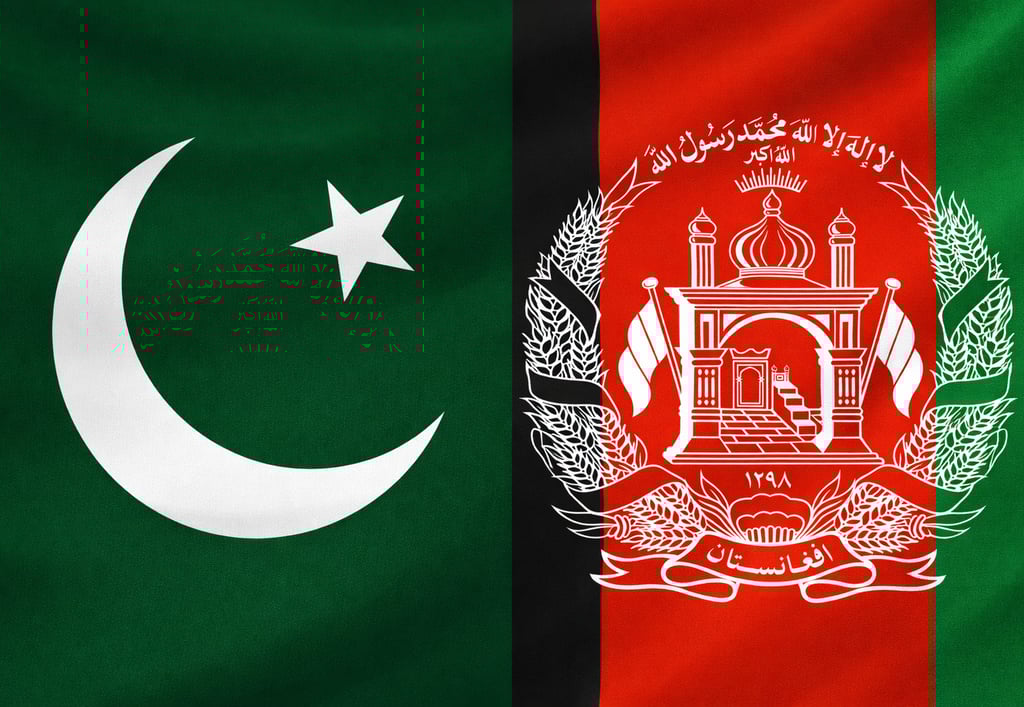
Pakistan-Afghanistan Border Clashes Displace Over 100,000, UN Says
Tensions between Pakistan and Afghanistan escalated into intense border clashes on March 6, 2026, forcing more than 100,000 people to flee their homes, according to the United Nations. The fighting has heightened fears of a growing humanitarian crisis along the volatile frontier between the two neighboring countries.
The recent violence marks one of the most serious escalations between Pakistan and Afghanistan in recent years. Border communities have been caught in the crossfire as artillery fire, heavy weapons, and gun battles were reported across several areas along the frontier.
According to multiple reports, the tensions intensified after Pakistan carried out strikes inside Afghanistan targeting suspected hideouts of the militant group Tehrik-e-Taliban Pakistan (TTP). Pakistani authorities say the operations were part of ongoing counter-terrorism efforts aimed at stopping cross-border militant attacks that have increased in recent months.
Islamabad has repeatedly accused militants of launching attacks from Afghan territory and has urged the Afghan Taliban authorities to take action against groups targeting Pakistan. Afghan officials, however, have strongly criticized the strikes, calling them a violation of Afghanistan’s sovereignty and warning that such actions could further destabilize the region.
Reports indicate that Pakistan’s air force conducted several strikes in Afghanistan’s eastern provinces, including Nangarhar and Paktika. Pakistani officials say the operations targeted militant infrastructure and eliminated several suspected fighters linked to cross-border attacks.
Afghan authorities, however, claim the strikes also caused civilian casualties and damaged residential areas. Local officials reported that several civilians were killed or injured, including women and children, although the exact numbers remain difficult to independently verify due to limited access to the affected areas.
Following the strikes, Afghan border forces reportedly launched retaliatory attacks against Pakistani border positions. Security sources said clashes erupted at multiple points along the frontier, with both sides exchanging heavy gunfire and mortar shells.
Some reports suggest Afghan forces targeted more than 20 Pakistani border posts, prompting Pakistani troops to respond with defensive fire. The fighting caused panic among residents living near the border, forcing thousands of families to flee their homes.
The humanitarian impact has been severe. According to United Nations agencies monitoring the situation, around 115,000 people have been displaced within Afghanistan, while several thousand residents in Pakistani border regions have also been forced to relocate to safer areas.
Most of the displaced are women, children, and elderly people who have left behind homes, farmland, and livelihoods. Many families are currently sheltering in temporary camps or staying with relatives as humanitarian organizations attempt to deliver emergency aid.
Aid agencies say the situation is becoming increasingly difficult as ongoing clashes disrupt relief operations. Access to food, clean water, and medical services has become limited in several affected districts.
Residents from the border areas have described scenes of fear and chaos. Some villages reportedly came under shelling during the evening hours in the early days of Ramadan, forcing families to abandon their homes in the middle of the night.
Schools, markets, and public services in several border districts have been shut down as security conditions deteriorate. Local authorities warn that prolonged fighting could worsen the humanitarian crisis and displace even more people.
Both Pakistan and Afghanistan have claimed that the other side suffered heavy losses during the clashes. However, independent verification of these claims remains difficult because journalists and international observers have limited access to the conflict zones.
The rising tensions are not only affecting the two countries directly but are also raising broader regional concerns. The situation comes at a time when global geopolitical tensions are already high.
In the Middle East, tensions between Iran, Israel, and the United States have been escalating, drawing significant international attention and raising fears of wider conflict. If clashes between Pakistan and Afghanistan intensify further, instability could spread across both South Asia and the Middle East, increasing security and humanitarian risks across the region.
The international community has called for restraint from both sides. The United Nations and several countries have urged Pakistan and Afghanistan to avoid further escalation and resolve their disputes through dialogue and diplomatic channels.
Pakistan and Afghanistan share a 2,600-kilometer border, which has historically been a source of tensions and security challenges. Previous incidents have also led to armed clashes, but the current escalation has raised concerns about a prolonged confrontation.
Diplomatic efforts may now play a crucial role in preventing the situation from deteriorating further. Observers say immediate dialogue and confidence-building measures will be essential to stabilize the border and prevent further civilian suffering.
Stay informed with the latest national and international news.
© 2026. All rights reserved.