
Oil Prices Fall as Middle East Supply Recovers. Brent and WTI Hit Four-Month Lows While Strait of Hormuz Traffic Returns to Normal
Global oil prices continued to drop as Middle East supply expectations improved, tanker traffic resumed through the Strait of Hormuz, and Iran prepared to increase exports. Brent crude fell to $72.52 and WTI to $69.32, while traders focused on rising supply despite U.S. crude stocks hitting their lowest level since 1984.
Raja Awais Ali
6/25/20264 min read
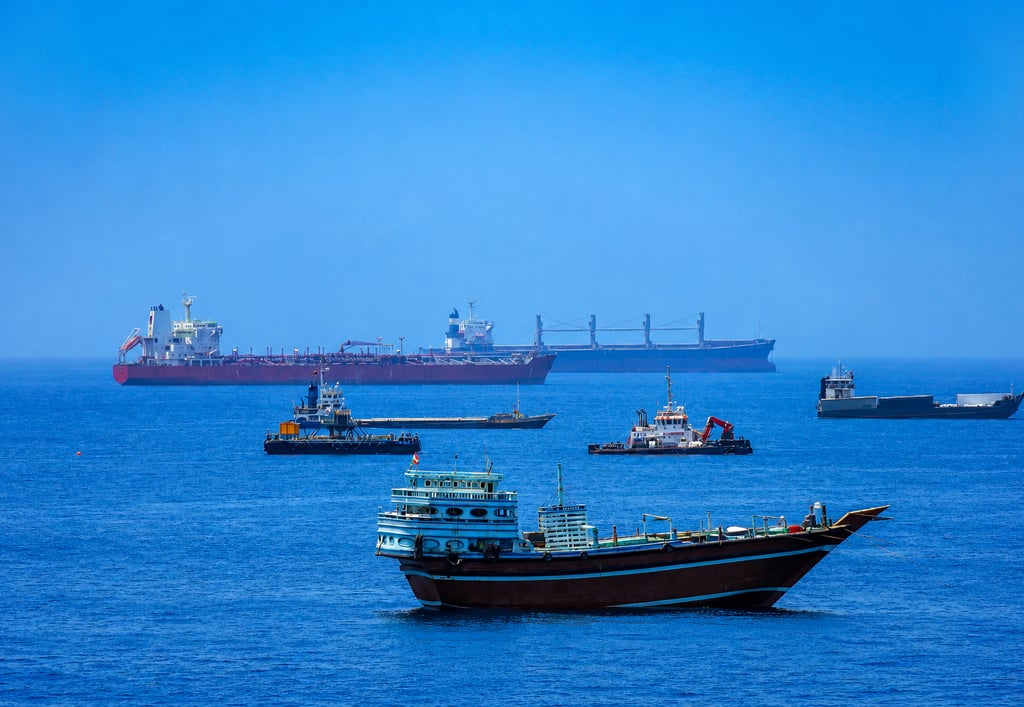
Oil Prices Extend Sharp Decline as Middle East Supply Recovers. Strait of Hormuz Reopens and Iran Export Expectations Grow
Global oil prices continued to fall on Thursday, reaching their lowest levels since late February. Rising expectations of increased Middle Eastern supply outweighed concerns about demand and inventory levels. This latest drop shows a significant shift in market sentiment after tensions eased around the Strait of Hormuz and oil flows began to recover from disruptions caused by the Iran conflict.
Brent crude futures for August delivery dipped by $1.22, or 1.65%, to $72.52 per barrel. Meanwhile, U.S. West Texas Intermediate (WTI) crude fell by $1.02, or 1.45%, to $69.32 per barrel. Both benchmark contracts hit their lowest levels since February 27, effectively returning close to the prices seen before the start of the Iran war.
Market participants are increasingly focused on the rapid recovery of oil supply from the Middle East. August Brent crude traded below September Brent, priced at $73.59 per barrel. This market structure typically indicates strong short-term supply availability, suggesting traders believe immediate supply risks have lessened significantly compared to the concerns that affected the market only a few weeks ago.
According to IG market analyst Tony Sycamore, the pace of the decline has surprised many traders. He noted that financial markets are now predicting a quicker return of Middle Eastern oil barrels than most expected just two weeks ago. As confidence grows that regional exports will continue, the geopolitical premium that raised oil prices is fading fast.
The decline follows another sharp drop on Wednesday, when Brent crude fell by over $3 per barrel and WTI lost nearly $3. These recent losses highlight how quickly supply concerns have eased as shipping activity in one of the world's key energy corridors returns to normal.
A major factor behind this market shift is the improving situation in the Strait of Hormuz. U.S. Energy Secretary Chris Wright mentioned on Wednesday that oil flows through this strategic waterway are approaching pre-war levels. He stated that at least 20 million barrels of oil exited the Strait of Hormuz in the past 24 hours, showing a notable recovery in tanker movements.
While shipping activity has improved significantly, Wright warned that a full return to normal conditions might take several more weeks. Mine-clearing operations are still ongoing in some areas, and maritime authorities are coordinating vessel movements to ensure safe passage through the waterway.
The recovery in Middle Eastern supply coincides with expectations that Iran may increase crude exports due to a temporary easing of U.S. sanctions. The possibility of more Iranian barrels entering global markets is putting further downward pressure on oil prices and physical crude cargoes worldwide.
The current market environment marks a dramatic turnaround from the conditions during the conflict involving the U.S., Israel, and Iran. The war, which started on February 28, raised fears about energy security, global supply disruptions, and the potential closure of critical shipping routes. These concerns contributed to higher oil prices in much of the second quarter.
However, an initial agreement reached last week to stop hostilities has helped restore confidence in energy markets. The ceasefire has allowed commercial traffic through the Strait of Hormuz to resume and has greatly reduced fears of immediate supply disruptions.
The agreement also set up a 60-day negotiation period to address more complex issues, including Iran's nuclear program and broader regional security concerns. Although uncertainty remains about the outcome of those discussions, energy markets seem increasingly confident that oil shipments will continue regardless of future political developments.
Chris Wright emphasized that even if negotiations hit snags, oil is likely to keep flowing through the Strait of Hormuz. He also expressed confidence that Iran would not be able to successfully close the waterway again, easing fears of another major disruption to global energy supplies.
Regional governments are also taking action to enhance maritime stability. Oman announced temporary shipping routes on Wednesday to aid tanker departures from the Strait of Hormuz. The International Maritime Organization (IMO) and Omani authorities are coordinating vessel movements to improve efficiency and reduce congestion as shipping activity increases.
Meanwhile, diplomatic efforts are expanding beyond immediate shipping matters. Qatar's Prime Minister visited Oman for discussions about future negotiations involving Iran, Iraq, and Gulf states focused on the long-term management and security of the Strait of Hormuz. These talks could play an important role in shaping regional cooperation and ensuring the ongoing stability of one of the world's most crucial energy corridors.
Analysts at Macquarie believe oil prices could keep moving toward pre-war levels as supply chains adjust and shipping operations normalize. The investment bank predicts Brent crude will average around $67 per barrel during the third quarter, while WTI is expected to average about $62 per barrel.
These projections indicate a significant decline from second-quarter averages. In the second quarter, Brent crude averaged around $94 per barrel and WTI about $87 per barrel, reflecting the substantial impact that geopolitical tensions had on global energy markets.
One of the most notable developments this week came from the U.S. Energy Information Administration (EIA), which reported that total U.S. crude oil inventories fell to their lowest level since 1984. This decline was driven by strong refinery demand and continued releases from government emergency petroleum reserves.
Under normal conditions, a significant reduction in inventories would typically support oil prices. However, traders appeared largely unconcerned by thedata. Instead, market attention remained firmly on developments in the Strait of Hormuz, the recovery of Middle Eastern supply, and the potential increase in Iranian exports.
The market's reaction shows how dominant supply expectations have become in determining oil prices. Even historically low U.S. inventory levels have not offset growing confidence that more barrels from the Middle East will be available in the coming weeks and months.
Overall, the global oil market seems to be entering a new phase where worries about immediate supply disruptions are gradually fading. The reopening of shipping routes, the return of tanker traffic through the Strait of Hormuz, the likelihood of increased Iranian exports, and ongoing regional diplomatic efforts have all changed market sentiment.
If maritime operations continue to stabilize and negotiations stay on track, oil prices may face additional downward pressure as traders focus more on abundant supply rather than geopolitical risk. For now, the energy market signals that the worst fears about supply disruptions linked to the Iran conflict have eased significantly, allowing prices to move closer to their pre-war levels.
Stay informed with the latest national and international news.
© 2026. All rights reserved.