
Netanyahu Seeks Presidential Pardon in Ongoing Corruption Trial — Latest Israel News 30 Nov 2025
Israel PM Benjamin Netanyahu requests a rare pre-verdict presidential pardon in long-running corruption cases. Full verified 30 Nov 2025 news update.
Raja Awais Ali
11/30/20252 min read
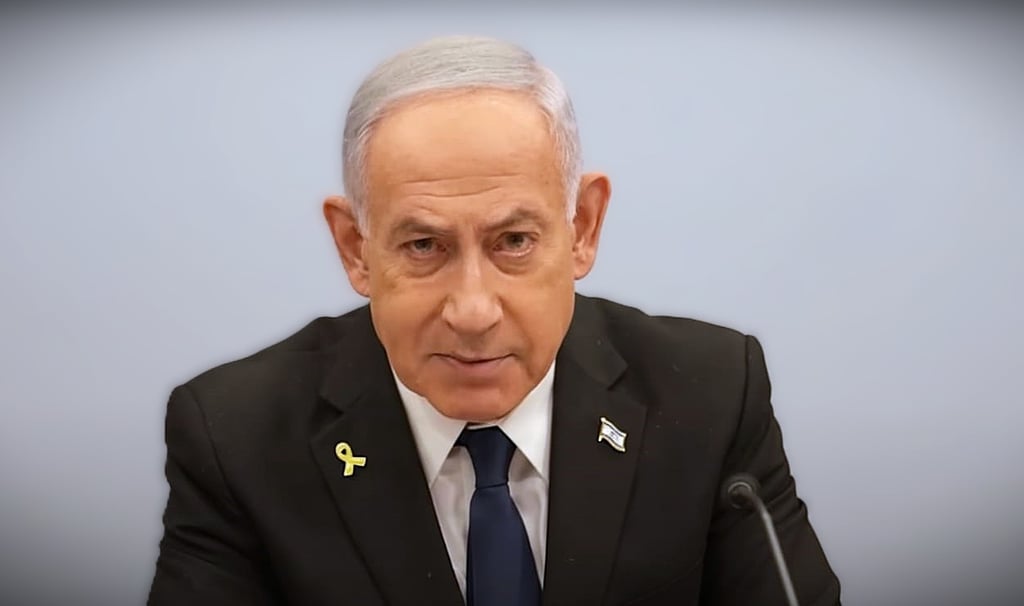
Netanyahu’s Extraordinary Pardon Request Shakes Israeli Politics
Israel’s Prime Minister Benjamin Netanyahu formally submitted an extraordinary request for a presidential pardon to President Isaac Herzog on 30 November 2025, marking a dramatic moment in the country’s political and judicial history. Netanyahu, who has been facing three long-running corruption cases, asked for a pardon even though no verdict has been reached yet. The cases involve allegations of bribery, fraud, and breach of trust — charges he has repeatedly denied, calling them politically motivated.
In his plea, Netanyahu argued that the ongoing trial, along with frequent court appearances, has hindered his ability to govern effectively. According to him, Israel is navigating a highly sensitive period marked by regional tensions, internal political divisions, and critical national security challenges. He insists that the prolonged legal process distracts from his responsibilities as Prime Minister and undermines his capacity to lead the nation.
This request is considered highly unusual within Israeli legal tradition. Typically, a presidential pardon is sought after a verdict, not during an ongoing trial. Legal experts note that this move could set an unprecedented example, potentially influencing how future political figures approach legal challenges. President Herzog’s office confirmed that the request is “extraordinary” and stated that no decision will be made until thorough legal consultations take place, including input from the Attorney General and judicial authorities.
The opposition reacted sharply, accusing Netanyahu of attempting to escape accountability. Critics argue that granting a pardon before a verdict would damage the credibility of Israel’s justice system and send a harmful message that powerful individuals can bypass legal scrutiny. They emphasize that allowing the judicial process to conclude is essential for public trust and the rule of law.
The issue has also drawn international attention. President Donald Trump publicly supported Netanyahu, urging President Herzog to approve the pardon. Trump argued that the corruption cases are politically driven and undermine the stability of Israel. His involvement has added a new dimension to the debate, raising concerns about foreign influence and political pressure on judicial matters.
As of now, the outcome remains uncertain. Whether the pardon is granted or rejected, the decision will have lasting consequences for Israel’s political future, legal integrity, and democratic norms. Netanyahu’s request has placed the Israeli presidency, judiciary, and government at a pivotal crossroads, with potential repercussions far beyond domestic politics.
The coming days will determine whether Israel upholds its judicial process to the end or takes an unprecedented path by pardoning a sitting prime minister before a verdict. Whichever way the decision goes, it will shape the country’s political landscape for years to come.
Stay informed with the latest national and international news.
© 2026. All rights reserved.