
Global Oil Prices Surge as Middle East War Threatens Supply — What It Means for Pakistan’s Fuel Prices
Oil prices jumped on March 11, 2026 as fears of supply disruptions in the Strait of Hormuz overshadowed the IEA’s plan to release 400 million barrels of reserves. Here’s how the Middle East conflict could impact global markets and Pakistan’s latest fuel prices.
Raja Awais Ali
3/11/20264 min read
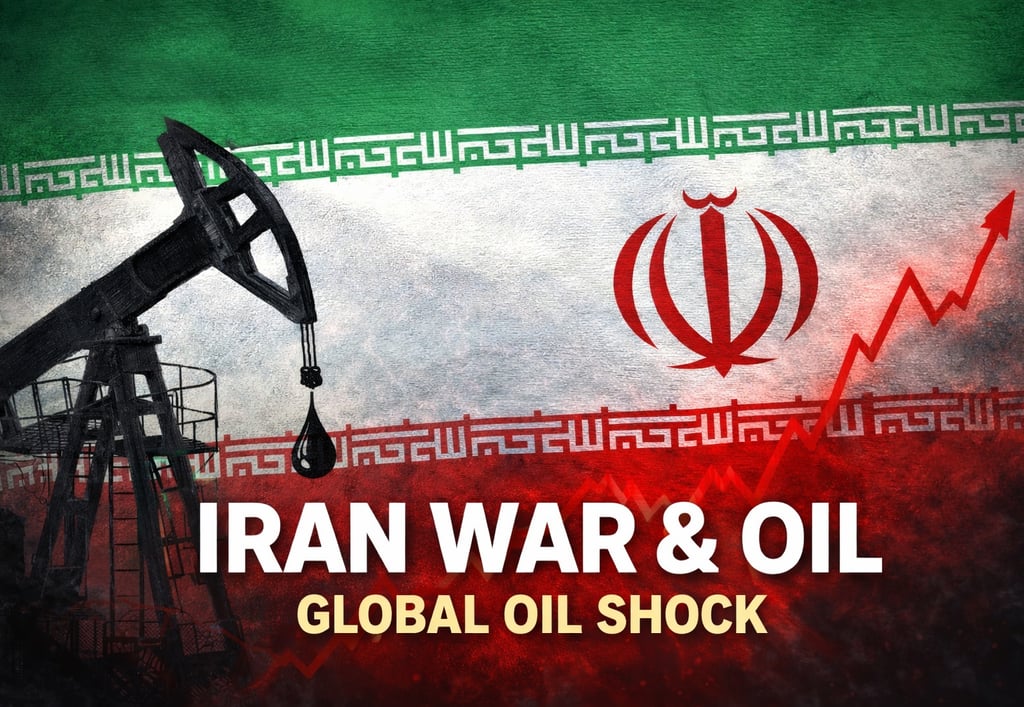
Global Oil Prices Rise Amid Middle East War Fears — Impact on Pakistan’s Fuel Market
Global energy markets faced renewed turbulence on March 11, 2026, as escalating military tensions in the Middle East pushed oil prices higher and revived fears of a major supply disruption. The ongoing conflict involving the United States, Israel, and Iran has intensified uncertainty in global markets, raising concerns that the world could be heading toward another major energy shock.
Despite plans by the International Energy Agency (IEA) to release a record amount of emergency oil reserves, traders remain skeptical that the move will be enough to stabilize the market if the conflict escalates further or disrupts oil flows through the strategically vital Strait of Hormuz.
On Wednesday, Brent crude climbed to around $91 per barrel, while U.S. West Texas Intermediate (WTI) rose above $86 per barrel. The rebound came after sharp volatility earlier in the week, as investors weighed the potential impact of military escalation in the Gulf region against efforts by global energy authorities to calm the market.
The IEA has proposed releasing approximately 400 million barrels of oil from strategic reserves, a move that would mark the largest emergency oil release in history. The plan aims to ease market anxiety and prevent prices from surging further as geopolitical tensions threaten global energy supply.
For comparison, the agency coordinated a release of about 182 million barrels in 2022 after Russia’s invasion of Ukraine disrupted energy markets. The current proposal is more than double that amount, reflecting the severity of concerns surrounding the Middle East crisis.
According to early reports, the oil would be released gradually over at least two months, allowing markets time to absorb the additional supply. Some participating countries may have up to 90 days to distribute their share of the reserves.
However, analysts warn that such measures may only offer temporary relief if the conflict significantly disrupts production or shipping in the Gulf. Investment banks and energy analysts estimate that the war could potentially cut up to 15 million barrels per day from global oil and petroleum product supplies if key export routes are affected.
The Strait of Hormuz, one of the world’s most important energy chokepoints, lies at the center of these concerns. Nearly 20% of global oil shipments pass through the narrow waterway each day, making it a critical artery for international energy trade.
Recent military developments have heightened fears that shipping routes could become unsafe. U.S. forces have reportedly targeted Iranian vessels suspected of laying naval mines in the Gulf, while Washington has warned Tehran against any attempt to disrupt maritime traffic in the region.
At the same time, the shipping industry is facing growing uncertainty. Industry sources say some shipping companies have requested military protection for oil tankers navigating the area, although security risks remain extremely high.
Energy infrastructure across the region has also been affected by the conflict. Reports indicate that operations at the Ruwais refinery complex in the United Arab Emirates, operated by the Abu Dhabi National Oil Company (ADNOC), were disrupted after a drone strike triggered a fire at a facility within the complex.
Such incidents have raised fears that energy infrastructure could increasingly become a target as the conflict expands, further tightening global supply.
Saudi Arabia, the world’s largest oil exporter, is attempting to mitigate the risk by redirecting some exports through the Red Sea port of Yanbu, bypassing the Strait of Hormuz. However, analysts say this alternative route cannot fully replace the massive volume of oil normally transported through the Gulf.
Energy consultancy firms warn that if disruptions persist or intensify, crude prices could surge dramatically. Some projections suggest oil could reach $150 per barrel under a worst-case scenario, a level that would send shockwaves through the global economy.
Higher oil prices have far-reaching consequences beyond energy markets. Rising fuel costs often translate into higher transportation expenses, increased manufacturing costs, and broader inflationary pressure across global economies.
The situation has prompted urgent discussions among leaders of the Group of Seven (G7) major economies. French President Emmanuel Macron is hosting a virtual meeting of G7 leaders to assess the impact of the Middle East conflict on global energy markets and explore coordinated measures to stabilize supply.
While these discussions may lead to joint actions such as coordinated reserve releases or logistical support for shipping routes, analysts caution that geopolitical tensions remain the biggest variable shaping the market’s future.
For countries heavily dependent on imported energy, the stakes are particularly high. Pakistan, which relies on imported oil for a significant portion of its energy needs, is especially vulnerable to global price fluctuations.
As of March 11, 2026, Pakistan’s official petroleum product prices stand at the following levels:
Premier Euro 5 Petrol: Rs.321.17 per liter
Hi-Cetane Diesel Euro 5: Rs.335.86 per liter
Light Diesel Oil (LDO): Rs.235.01 per liter
Superior Kerosene Oil (SKO): Rs.318.81 per liter
Jet Fuel (JP-1): Rs.342.37 per liter
These prices already reflect significant pressure on the domestic fuel market. If global crude prices continue to rise, Pakistan could face further increases in fuel costs in the coming weeks.
Higher fuel prices typically ripple through the broader economy. Transportation costs rise, food supply chains become more expensive, and inflationary pressures intensify. In Pakistan’s case, where road transport plays a crucial role in moving goods across the country, diesel price increases can quickly affect the prices of essential commodities.
The country’s import bill could also expand significantly if oil prices remain elevated for an extended period. Pakistan spends billions of dollars annually on energy imports, meaning prolonged high oil prices could put additional strain on foreign exchange reserves and fiscal stability.
Energy experts increasingly argue that such recurring global shocks highlight the need for long-term energy diversification. Investments in renewable energy, domestic gas resources, and alternative power generation are often cited as essential steps toward reducing dependence on imported fossil fuels.
Ultimately, the trajectory of oil markets will depend largely on how the Middle East conflict unfolds. If tensions ease and supply routes remain secure, prices may stabilize in the coming weeks. But if the conflict escalates or disrupts key export routes, the world could be facing one of the most significant energy crises in recent years.
For now, global markets remain on edge, closely watching developments in the Gulf — a region whose stability continues to shape the future of the world’s energy supply.
Stay informed with the latest national and international news.
© 2026. All rights reserved.