
Microsoft Build 2026: Project Solara, AI Devices, Copilot Agents, and NVIDIA-Powered PCs Explained
Microsoft Build 2026 introduced Project Solara, AI-powered devices, Copilot Scout, NVIDIA RTX Spark PCs, MAI Thinking-1, and new healthcare AI initiatives. Explore Microsoft's vision for the future of AI computing.
Raja Awais Ali
6/3/20264 min read
Microsoft Build 2026: Project Solara, AI Devices, Copilot Agents, and NVIDIA-Powered PCs Explained
Microsoft has unveiled one of its most ambitious visions for the future of computing at Microsoft Build 2026, introducing a wave of artificial intelligence innovations that could fundamentally change how people interact with technology. From AI-powered devices that operate without traditional apps to powerful NVIDIA-based computers and advanced reasoning models, the company demonstrated its determination to move beyond conventional software and place AI at the center of everyday computing.
During the annual developer conference in San Francisco, Microsoft CEO Satya Nadella outlined a future where AI agents become the primary interface between humans and technology. Rather than opening multiple applications and manually completing tasks, users will increasingly rely on intelligent AI systems capable of understanding requests, making decisions, and carrying out complex actions across different platforms and services.
One of the most significant announcements was Project Solara, a new family of AI-first devices designed to operate differently from traditional smartphones, tablets, and computers. Powered by Qualcomm and MediaTek chips, these devices feature screens, microphones, and cloud-connected AI capabilities. However, unlike conventional devices, they do not depend on a traditional operating system or app ecosystem. Instead, they are designed to host AI agents that communicate with cloud services and perform specific tasks on behalf of users.
Microsoft showcased examples of how Project Solara devices could be used in healthcare environments. A nurse conducting a patient visit could rely on an AI agent to automatically document conversations, organize medical notes, and communicate with healthcare systems in real time. According to Nadella, Project Solara represents an opportunity to redefine how future computing platforms are built and used.
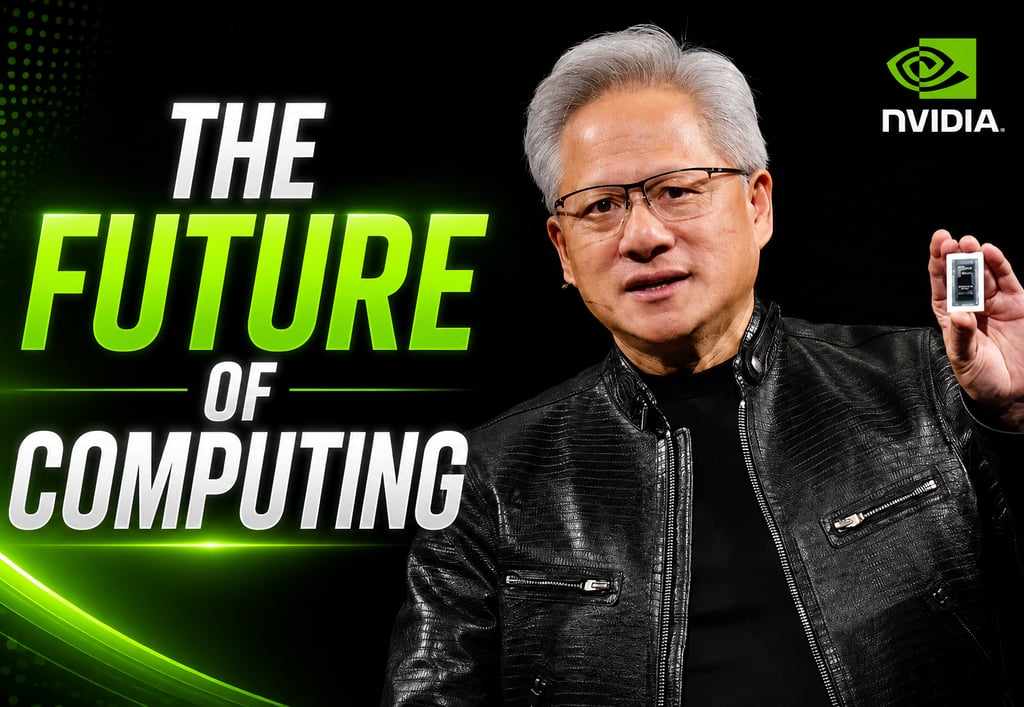
Another major highlight of the conference was the introduction of the Surface RTX Spark Dev Box, a powerful new AI-focused computer equipped with NVIDIA’s latest RTX Spark chip. Microsoft described the device as a next-generation development machine capable of running large AI models directly on a personal computer. During demonstrations, executives showed the system running an AI model with 120 billion parameters, a level of performance typically associated with large cloud infrastructure rather than consumer hardware.
The launch reflects Microsoft's growing commitment to bringing advanced AI processing directly onto Windows devices. The company believes that future AI workloads will increasingly be handled locally, reducing dependence on cloud-based processing while improving speed, privacy, and efficiency. The move also positions Microsoft to compete more aggressively with Apple's premium computing products in the AI era.
Microsoft also announced new support for OpenClaw, an open-source framework that allows multiple AI agents to work together to complete tasks. OpenClaw has gained significant attention among developers due to its ability to automate complex workflows and coordinate multiple AI systems simultaneously. To make the technology suitable for enterprise environments, Microsoft is developing tools that help organizations deploy OpenClaw safely on Windows systems while protecting sensitive corporate data.
A demonstration at Build 2026 showed how IT administrators could establish safeguards that prevent AI agents from performing potentially harmful actions, such as accidentally deleting important files or accessing restricted information. This approach is intended to give businesses greater confidence when adopting autonomous AI systems.
Microsoft also expanded the capabilities of its Copilot platform with the introduction of Scout, a new AI agent designed to assist users with decision-making and productivity. Scout can analyze emails, messages, and workplace communications to identify items that require attention, helping users focus on the most important tasks while reducing information overload.
Beyond software and devices, Microsoft used the event to showcase progress in its own AI research efforts. The company introduced new speech-to-text technology that it claims delivers industry-leading transcription efficiency among major cloud providers. It also revealed an upgraded image-generation model designed to compete with offerings from Google and other AI leaders.
Perhaps the most important AI announcement was MAI Thinking-1, Microsoft's first advanced reasoning model. Reasoning models are designed to solve complex problems through structured, multi-step thinking rather than simply predicting the next word in a sequence. Microsoft stated that MAI Thinking-1 achieved performance levels comparable to leading reasoning models currently available in the market.
The release of MAI Thinking-1 highlights Microsoft's broader strategy of developing frontier AI capabilities independently while continuing its relationship with OpenAI. As competition intensifies across the artificial intelligence sector, Microsoft is investing heavily in creating its own family of advanced models to support future products and enterprise services.
Healthcare AI also received significant attention during the conference. Microsoft announced a new collaboration with the Mayo Clinic aimed at developing next-generation AI tools for medical diagnosis and patient care. The partnership combines Microsoft's AI infrastructure, reasoning systems, and computing resources with Mayo Clinic's clinical expertise and healthcare data.
The goal is to create AI systems capable of assisting healthcare professionals in making faster and more accurate diagnoses while improving patient outcomes. Microsoft AI CEO Mustafa Suleyman and Mayo Clinic CEO Gianrico Farrugia emphasized that future healthcare AI should function as a trusted team member, supporting doctors and medical staff rather than replacing them.
Microsoft Build 2026 made it clear that the company sees artificial intelligence as the foundation of the next era of computing. Through Project Solara, NVIDIA-powered AI computers, Copilot Scout, OpenClaw integration, MAI Thinking-1, and healthcare-focused AI partnerships, Microsoft is building an ecosystem where intelligent agents become central to how people work, communicate, and interact with technology.
If Microsoft's vision succeeds, the coming years could bring one of the most significant transformations in computing since the rise of smartphones and cloud services. Rather than navigating apps and operating systems, users may soon rely on AI agents that understand their goals and complete tasks on their behalf, creating a more seamless and intelligent digital experience.
Stay informed with the latest national and international news.
© 2026. All rights reserved.