
Israel Parliament Dissolution Vote 2026: Netanyahu Faces Early Election Pressure Amid Political Crisis
Israel’s parliament may dissolve ahead of schedule as Prime Minister Benjamin Netanyahu faces growing pressure from allies, opposition parties, war fallout, and declining public support. Full analysis of Israel’s possible early elections, coalition crisis, political rivals, and regional tensions in 2026.
Raja Awais Ali
5/20/20264 min read
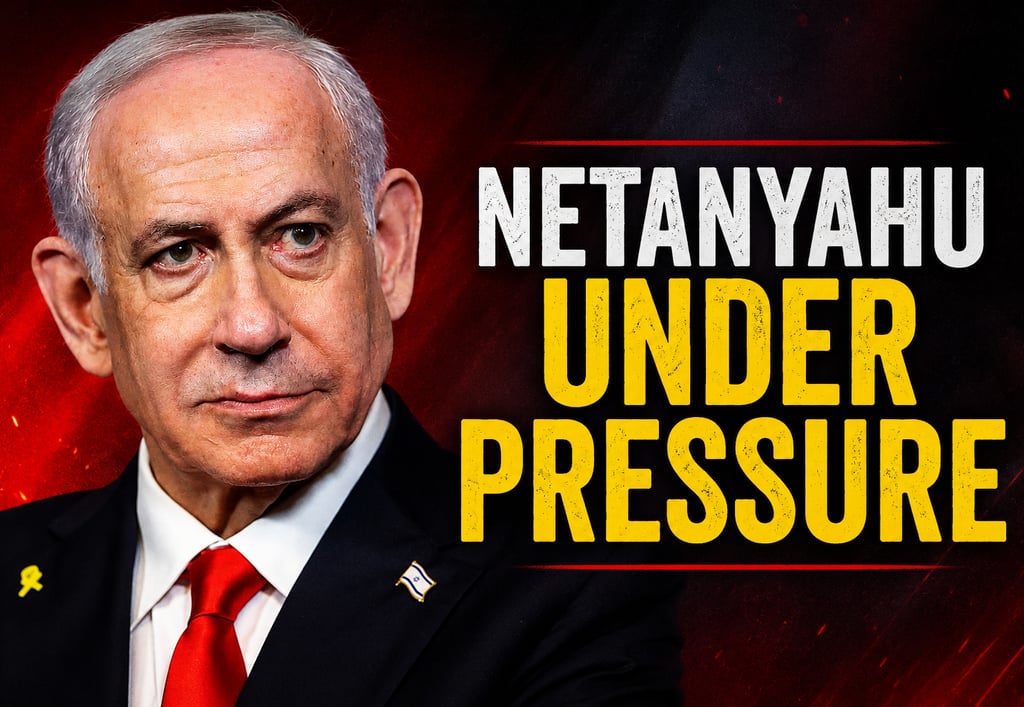
Israel Parliament Dissolution Crisis 2026: Netanyahu Faces Early Election Battle as Political Pressure Grows
Israel has entered another major political crisis after lawmakers prepared to vote on dissolving the country’s parliament, a move that could push the nation toward early elections only weeks before the official election deadline. The development has increased pressure on Prime Minister Benjamin Netanyahu at a time when Israel is already facing security tensions, economic challenges, and growing political divisions after years of instability and war.
The Israeli parliament, known as the Knesset, is expected to hold a crucial vote that may decide whether the government can continue or whether the country will once again head into another national election campaign. Under Israeli law, elections are normally held every four years, but political instability has repeatedly forced the country into early elections. Israel’s last national election took place in November 2022, while the next scheduled vote must legally happen no later than October 27, 2026.
Political analysts in Israel believe that if parliament is dissolved, elections could take place during the first half of September 2026, although some experts say the process may continue until late October. The timing will depend on how quickly lawmakers agree on the election date and complete the parliamentary approval process required to officially dissolve the Knesset.
The current political crisis was triggered by growing tensions between Netanyahu and ultra-Orthodox Jewish parties that have traditionally been among his strongest political allies. These religious factions recently announced that they no longer consider Netanyahu a reliable partner after accusing his government of failing to fulfill promises related to military service exemptions for their communities.
Military service remains one of the most sensitive political issues inside Israel. Most Israeli citizens are required to serve in the military, but ultra-Orthodox communities have historically received exemptions for religious studies. Netanyahu’s coalition had promised legislation protecting those exemptions, but disagreements inside the government delayed progress, creating frustration among religious parties that are now threatening to support early elections.
At the same time, opposition parties have continued their long-running campaign to remove Netanyahu from power. Previous attempts to collapse the government failed in 2025, but the latest developments have created new momentum for opposition leaders who believe voters are ready for political change after years of conflict and uncertainty.
In an effort to maintain control over the process, Netanyahu’s coalition introduced its own bill to dissolve parliament on May 13. By leading the process themselves, coalition leaders hope to manage the political timeline and avoid giving the opposition complete control over the election narrative. However, the move also highlights the seriousness of the crisis facing the current government.
If the dissolution bill passes the first parliamentary vote, lawmakers will then move the proposal to committee discussions where the election date must be finalized. The legislation will later return to parliament for additional votes, with final approval requiring support from at least 61 members in the 120-seat Knesset. Depending on political negotiations, the process could move quickly or continue for several weeks.
Public opinion polls have become increasingly difficult for Netanyahu since the Hamas attack of October 7, 2023, which deeply shocked Israeli society and raised major questions about the country’s security preparedness. Netanyahu, who built much of his political image around national security and military strength, faced criticism after the surprise attack exposed weaknesses in Israel’s intelligence and defense systems.
The war that followed in Gaza, along with rising tensions involving Hezbollah in Lebanon and Iran, has also created economic and diplomatic pressure on Israel. Military operations, security spending, international criticism, and investor concerns have affected economic confidence while increasing political divisions inside the country.
Recent opinion surveys consistently show Netanyahu’s coalition struggling to secure a parliamentary majority if elections were held today. However, Israeli politics remains highly unpredictable because opposition parties also face challenges in building a stable coalition government. This means Israel could once again experience a prolonged political deadlock similar to the period before the 2022 election, when the country held five elections in less than four years without achieving long-term stability.
Netanyahu’s main political challenger is former Prime Minister Naftali Bennett, who previously worked closely with Netanyahu before becoming one of his strongest rivals. Bennett briefly served as prime minister after helping remove Netanyahu from office in 2021. He has now joined forces with opposition leader Yair Lapid to create a new political alliance called “Together.”
The new alliance is gaining strong support in several national polls and is competing closely with Netanyahu’s Likud party. Both Bennett and Lapid are presenting themselves as leaders capable of rebuilding national unity, improving governance, and restoring public trust after years of political conflict and war.
Another important figure gaining attention is former military chief Gadi Eizenkot, whose popularity has increased among moderate and centrist voters looking for experienced leadership during a difficult security period. Opposition parties are focusing heavily on undecided voters who are frustrated by economic pressure, political instability, and concerns about Israel’s international image.
Alongside political challenges, Netanyahu continues to face legal pressure from his long-running corruption trial. Discussions about a possible plea agreement have again appeared in Israeli political circles. Reports suggest that Israeli President Isaac Herzog has explored options that could potentially allow Netanyahu to retire from politics as part of a legal settlement, although no final agreement has been confirmed.
Health concerns have also become part of the public discussion surrounding Netanyahu’s political future. The 76-year-old leader recently revealed that he successfully underwent treatment for prostate cancer, while in 2023 he received a pacemaker procedure. Despite these issues, Netanyahu remains one of the most influential figures in Israeli politics and continues fighting to maintain power during one of the most difficult periods of his political career.
The coming weeks are expected to play a critical role in shaping Israel’s political future. With possible early elections approaching, rising opposition pressure, ongoing regional conflicts, and growing voter frustration, the country may soon enter another highly competitive and uncertain political battle that could redefine leadership in Israel for years to come.
Stay informed with the latest national and international news.
© 2026. All rights reserved.