
Iran Warns of Retaliation as Trump Threatens Strike, U.S. Pulls Staff from Regional Bases
Iran warns of retaliation if Trump orders a strike as the U.S. withdraws personnel from Middle East bases amid rising tensions on Jan 14, 2026.
Raja Awais Ali
1/14/20263 min read
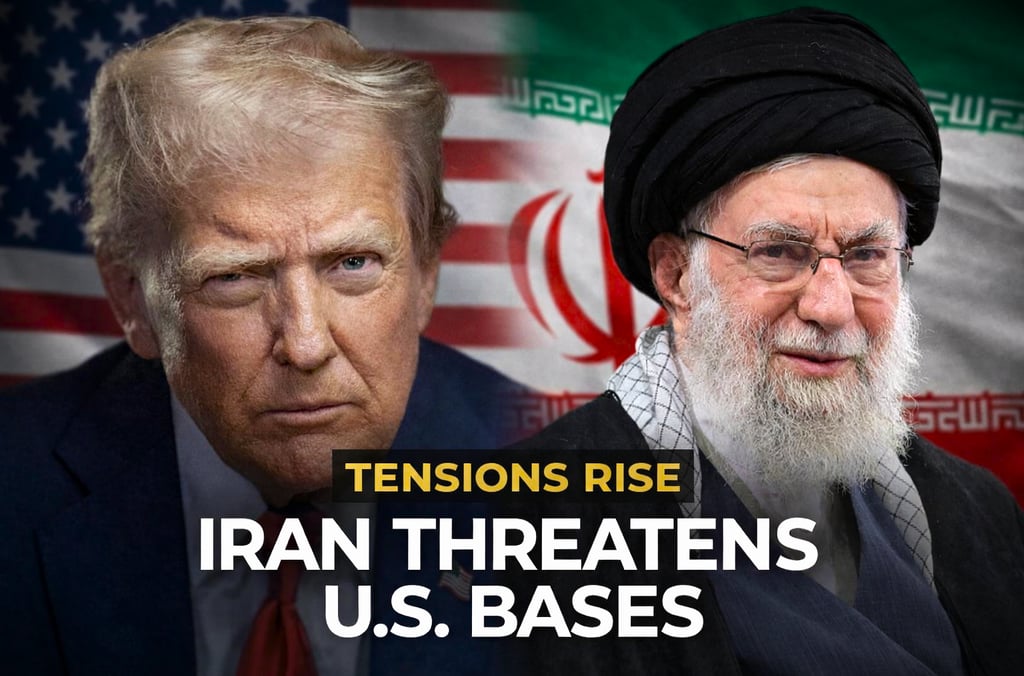
Iran Warns of Retaliation as Trump Threatens Action, U.S. Withdraws Personnel from Regional Bases
Tensions between Iran and the United States have escalated sharply, pushing the Middle East closer to a new phase of instability. As of 14 January 2026, Iran has issued a clear warning that any military strike ordered by U.S. President Donald Trump would be met with direct retaliation against American interests across the region. In response to the growing threat environment, the United States has begun withdrawing some personnel from key military bases in the Middle East, signaling serious concern over potential escalation.
The latest crisis follows weeks of unrest inside Iran, where widespread anti-government protests have continued across several major cities. Human rights groups report that the Iranian authorities have carried out mass arrests and used heavy force to suppress demonstrations. According to multiple monitoring organizations, the death toll linked to the unrest has surpassed 2,500 people, including protesters and members of the security forces. Internet restrictions and tightened security measures remain in place, further intensifying international scrutiny of Tehran’s actions.
Donald Trump has publicly condemned Iran’s leadership, accusing it of severe human rights violations and warning of “strong consequences” if repression continues. His statements, made amid growing political debate in Washington, have reignited fears of military confrontation between the two longtime adversaries. While Trump has not announced a formal military order, his remarks have been interpreted by Tehran as a direct threat.
Iranian officials responded swiftly and forcefully. Senior security figures stated that Iran would not wait to be attacked and would retaliate immediately if U.S. forces struck Iranian territory. Tehran emphasized that any American action would trigger a regional response, targeting U.S. military bases and strategic assets in the Middle East. Iranian authorities also warned neighboring countries hosting American forces that they could be drawn into the conflict if their territory is used to launch attacks against Iran.
Particular attention has been placed on major U.S. installations in the Gulf region, including bases in Qatar, Saudi Arabia, the United Arab Emirates, and Turkey. Iran claims it possesses the military capability to strike these locations using ballistic missiles, drones, and allied regional forces. Iranian officials stressed that retaliation would be “proportionate but decisive,” warning that the consequences would extend far beyond Iran’s borders.
Amid these threats, the United States has taken precautionary steps. American defense officials confirmed that non-essential personnel are being withdrawn from several regional bases. The move includes a partial reduction at Al Udeid Air Base in Qatar, the largest U.S. military facility in the Middle East, which hosts approximately 10,000 American troops and support staff. U.S. officials insist the withdrawals are preventive, aimed at protecting personnel rather than signaling imminent military action.
Despite these assurances, analysts view the decision as a sign that Washington is taking Iran’s warnings seriously. The repositioning of forces suggests that U.S. military planners are preparing for a range of scenarios, including possible missile strikes or proxy attacks if tensions spiral out of control.
Regional powers have expressed growing alarm. Gulf states have urged both Washington and Tehran to avoid steps that could trigger a wider conflict. Saudi Arabia and the United Arab Emirates, in particular, fear that escalation could disrupt energy supplies and destabilize already fragile regional security. Turkey has also called for restraint, emphasizing diplomacy over confrontation.
The international community has echoed these concerns. The United Nations and European Union have appealed for calm, urging both sides to de-escalate and pursue dialogue. Diplomats warn that a direct clash between Iran and the United States would have devastating humanitarian and economic consequences, not only for the Middle East but for global stability.
As of 14 January 2026, the situation remains highly volatile. Iran’s explicit threat to strike U.S. bases, combined with the American decision to withdraw personnel, highlights the seriousness of the current standoff. Whether this crisis leads to renewed diplomacy or drifts toward confrontation will depend on the actions taken in the coming days. For now, the Middle East once again finds itself on edge, watching closely as two powerful rivals move closer to a dangerous crossroads.
Stay informed with the latest national and international news.
© 2026. All rights reserved.