
Iran Vows Retaliation as Protests Escalate and US Attack Warnings Intensify
Iran warns it will strike back if attacked by the US as nationwide protests grow, raising fears of a wider Middle East conflict in January 2026.
Raja Awais Ali
1/11/20263 min read
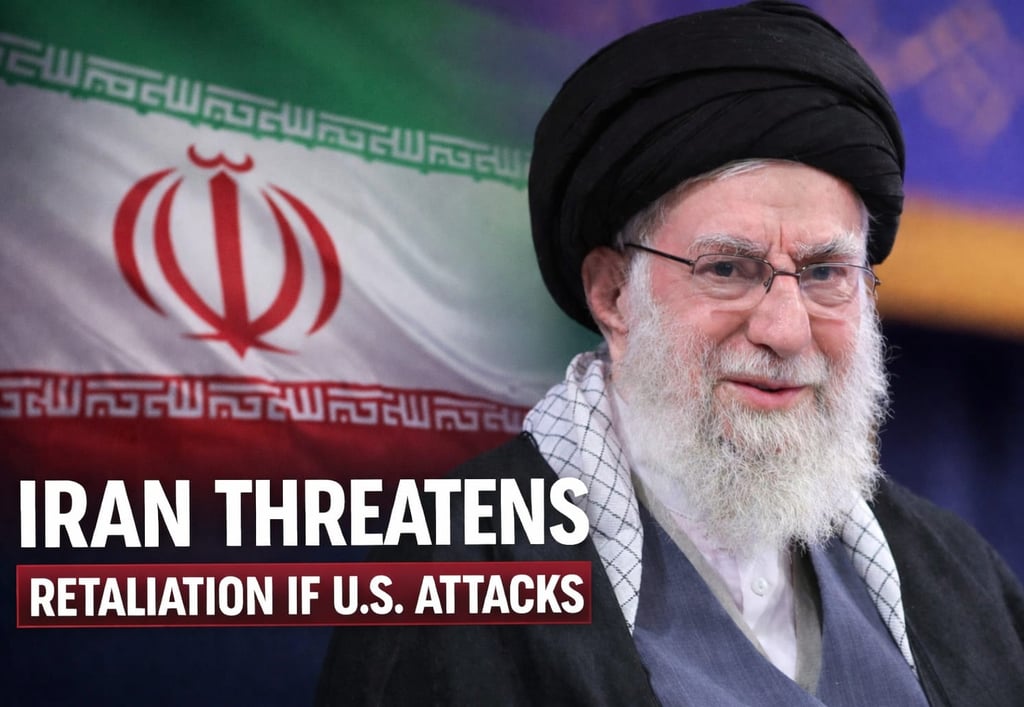
Iran Warns of Retaliation as Protests Intensify: Tehran Vows to Strike Back if the US Attacks
Iran is facing one of its most critical moments in recent years as widespread domestic protests converge with escalating tensions between Tehran and Washington. As of 11 January 2026, Iran’s leadership has issued a clear and forceful warning: any military attack by the United States would be met with a strong and immediate response. This statement comes amid growing unrest inside the country and increasingly sharp rhetoric from US officials, raising fears of a broader regional confrontation.
Nationwide Protests and Root Causes
The current wave of protests in Iran has deep economic and social roots. Years of international sanctions, persistent inflation, rising unemployment, and a sharp decline in the national currency have placed immense pressure on ordinary citizens. What began in late December 2025 as demonstrations over living costs quickly evolved into broader rallies demanding political accountability, social reforms, and improved governance.
Major cities including Tehran, Mashhad, Isfahan, Shiraz, and Tabriz have witnessed sustained protests, with estimates of hundreds of casualties and thousands detained according to rights groups and independent observers. The scale of unrest reflects widespread public frustration with economic hardship and governance challenges.
Government Response and Security Measures
Iranian authorities have described the protests as a threat to national stability and security. In response, the government has deployed security forces across key urban centers, restricted internet access nationwide, and limited mobile communications. These measures, intended to curb unrest, have intensified public anger and drawn international criticism.
Escalating Tensions with the United States
Iran’s strained relationship with the United States has entered a new phase of confrontation. Washington has criticized Tehran’s handling of the protests, accusing authorities of using excessive force against civilians. While no official military action has been announced, senior US officials have warned that continued repression could trigger consequences, including potential military or economic responses.
In turn, Iran’s political and military leadership has reacted sharply. Senior officials, including members of parliament and commanders of the Islamic Revolutionary Guard Corps (IRGC), stated that any US attack would be viewed as an act of aggression and met with retaliation against American military assets and interests in the region.
Israel and Regional Implications
Israel has emerged as a key factor in the unfolding crisis. Given long-standing hostilities with Iran, Tehran has warned that Israeli interests would not be immune in a wider conflict. Following these statements, Israel reportedly raised its security alert level, reflecting concerns over potential rapid escalation.
Analysts warn that a direct confrontation between Iran and the US could have far-reaching consequences beyond their borders, including disruptions to global energy markets, threats to shipping routes in the Persian Gulf, and regional instability.
Leadership Statements and Propaganda Narrative
Iran’s Supreme Leader, Ayatollah Ali Khamenei, has framed the protests as part of a foreign-backed effort to weaken the Islamic Republic from within, accusing external powers, particularly the US and Israel, of exploiting economic grievances to destabilize the country. He reiterated his support for security forces tasked with maintaining order, emphasizing that Iran would not bow to foreign pressure or threats.
Potential for Escalation and Diplomacy
Despite the tense atmosphere, diplomatic efforts are reportedly underway behind the scenes. Regional and international actors are urging restraint, calling on both Tehran and Washington to avoid steps that could trigger uncontrollable escalation. However, with positions hardening on both sides and protests continuing, the path toward de-escalation remains uncertain.
Summary
As of 11 January 2026, Iran stands at a dangerous crossroads. Widespread protests have exposed deep internal challenges, while escalating tensions with the United States have raised the specter of military conflict. Iran’s warning that it will strike back if attacked underscores the seriousness of the moment. The coming days will be critical in determining whether this crisis leads to dialogue or confrontation — decisions that could shape the future of the Middle East for years to come.
Stay informed with the latest national and international news.
© 2026. All rights reserved.