
Iran Conflict 2026: Trump Rejects Ceasefire, US Assets Targeted in Saudi Arabia, Strait of Hormuz Blocked
In the third week of March 2026 Iran-US-Israel war, Trump rejects ceasefire talks, Iran targets US assets in Saudi Arabia, the Strait of Hormuz remains blocked, and rumors about Netanyahu circulate — latest verified updates and global impact.
Raja Awais Ali
3/14/20263 min read
Iran Conflict 2026: Trump Rejects Ceasefire Talks, US Assets Targeted in Saudi Arabia, Rumors About Netanyahu Spread, Strait of Hormuz Blocked, Global Oil Crisis Intensifies
The ongoing conflict between the United States, Israel, and Iran has entered its third week as of March 14, 2026, with far-reaching global consequences. Both Washington and Tehran are currently unwilling to engage in ceasefire negotiations, raising fears that the conflict could enter a prolonged, complex, and highly dangerous phase. International media reports indicate that both sides are taking hardline positions, limiting diplomatic channels and posing serious threats to global markets, energy supplies, and regional security.
The war began on 28 February 2026, when the United States and Israel launched coordinated airstrikes on Iran’s nuclear and military facilities. Iran responded with missile and drone attacks, as well as military engagements across several regions. Over 2,000 people, primarily Iranian civilians and military personnel, have been killed or wounded so far, while foreign forces have also been affected. Human rights organizations have expressed deep concern over civilian casualties, stressing the urgent need for diplomatic intervention to prevent unnecessary loss of life.
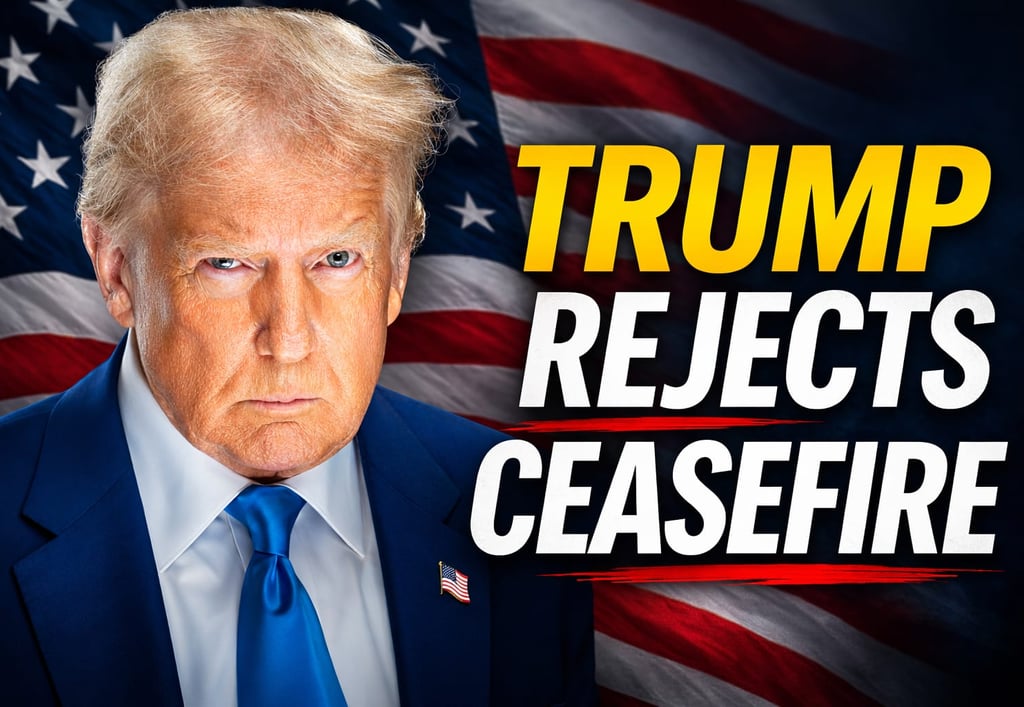
Despite international efforts, Oman and Egypt attempted multiple diplomatic outreach efforts to mediate a ceasefire, but U.S. President Donald Trump has made it clear that his priority remains weakening Iran’s military capabilities. According to White House sources, Trump indicated that Iranian leadership may be open to negotiations in the future, but “now is not the time.” Iranian officials also declared that no ceasefire or negotiations would occur unless U.S. and Israeli strikes stop and compensation is provided for damages caused.
On 14 March, the conflict escalated when Iran reportedly targeted U.S. military assets in Saudi Arabia. Credible reports indicate that missiles struck Prince Sultan Air Base, damaging five U.S. Air Force refueling aircraft. Most of the planes sustained minor damage and are still operational. Analysts view this as a direct Iranian strike on U.S. assets, significantly increasing the conflict’s regional intensity.
On 13 March, the U.S. military carried out major airstrikes on Kharg Island, Iran’s main oil export hub. Approximately 90% of Iran’s oil exports pass through this island, making it a critical economic target. U.S. officials stated that both military and energy infrastructure were targeted to limit Iran’s operational capabilities. Experts warn that these attacks will severely impact Iran’s economy and drive up global oil prices.
Iran has blocked the Strait of Hormuz in response to ongoing strikes. This maritime route carries nearly 20% of the world’s seaborne oil, and its closure has triggered global market disruption. Hundreds of oil tankers are stranded, and several international shipping companies have temporarily halted operations. The International Energy Agency and other nations have released emergency oil reserves to stabilize the market, marking one of the largest coordinated global oil releases in history.
Following these events, Brent crude oil prices have surged above $100 per barrel, and analysts warn that prolonged closure of the Strait could push prices to $150 per barrel, potentially destabilizing the global economy. Experts also highlight increased inflation, volatile energy markets, slowed economic growth, and potential food shortages as likely consequences.
Iran has also threatened U.S. bases and energy infrastructure across Gulf countries, while fires in the UAE’s oil facilities further indicate regional escalation. Israel has intensified operations against Iranian and allied groups, and tensions are rising in Lebanon and Iraq. Several global and regional powers are considering deploying naval forces to restore maritime navigation in the Strait of Hormuz, which Iran continues to view as a strategic leverage point.
Recently, social media rumors circulated suggesting that Israeli Prime Minister Benjamin Netanyahu had been killed or seriously wounded. These claims emerged in early March shortly after the onset of the conflict, coinciding with the escalation of U.S.-Israel air operations against Iran. Some video clips and posts claimed Netanyahu had been hit, but internationally verified sources and fact-check reports have dismissed these reports as false and unsubstantiated. Analysts note that such rumors are part of ongoing information warfare, fueling fear and uncertainty in the region. In the coming days, Netanyahu’s true condition is expected to be clarified through official press briefings or his verified social media accounts.
The United Nations, European Union, and other international actors have intensified mediation efforts to establish a ceasefire, but neither side has shown meaningful progress. Analysts emphasize that Iran’s hardline approach limits diplomatic options, while U.S. and allied forces may further reinforce regional positions, complicating the crisis.
Experts identify three possible scenarios going forward:
A limited ceasefire achieved through diplomatic pressure,
A major naval confrontation in the Gulf, or
A full-scale regional war involving additional states.
If the Strait of Hormuz remains blocked for an extended period, the crisis could deliver a severe shock not only to the Middle East but also to the global economy and international security. Global powers, economic institutions, and the public are closely monitoring developments, with the coming days likely to determine the future trajectory of the conflict.
Stay informed with the latest national and international news.
© 2026. All rights reserved.