
Iran Nears Supersonic Missile Deal with China: Regional Tensions Soar, Pakistan & Israel in Focus
Iran is finalizing a supersonic anti-ship missile deal with China, raising stakes in the Middle East and South Asia. How will Pakistan, Israel, and global powers respond?
Raja Awais Ali
2/24/20263 min read
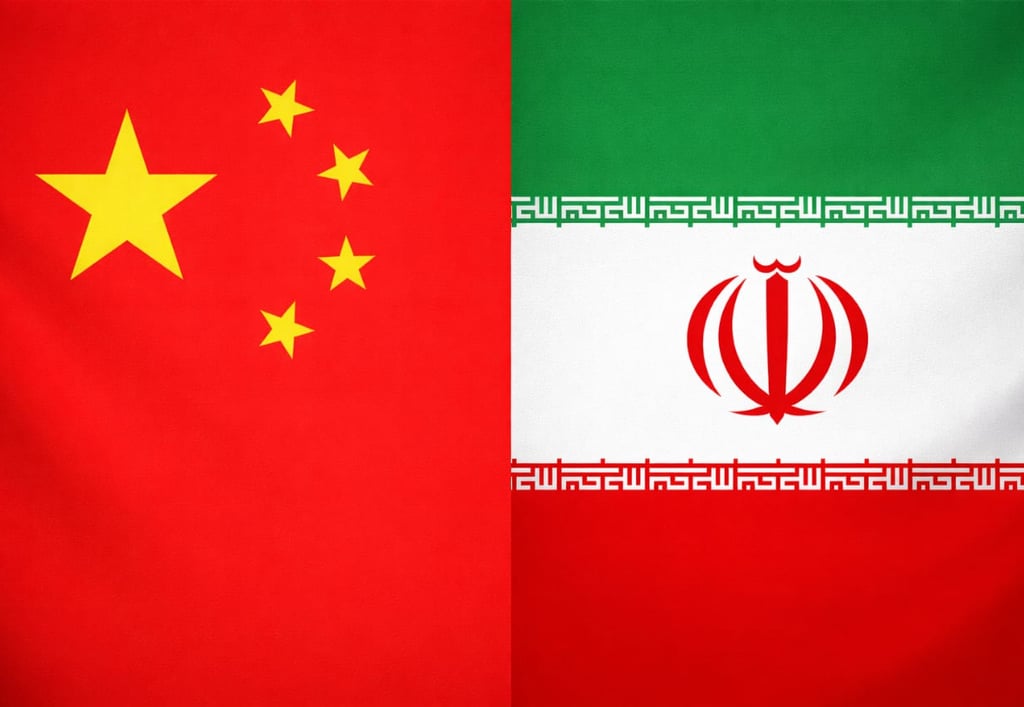
Iran Nears Supersonic Anti-Ship Missile Deal with China — Past Strikes on Israel, Regional Tensions, and a Closer Look at Pakistan’s Missile Arsenal
According to defense reports dated February 24, 2026, Iran and China are believed to be in the final stages of negotiating a deal involving supersonic anti-ship missiles. If finalized, this would represent far more than a routine arms purchase. Analysts suggest it could reshape naval dynamics not only in the Middle East but also across South Asia. The timing is especially sensitive, as the region is already experiencing elevated geopolitical tensions and strategic competition among major powers.
The missile system reportedly under discussion is the CM-302, a supersonic anti-ship cruise missile. Its estimated range is around 290 kilometers, and it is believed to travel at speeds between two to three times the speed of sound. Such velocity significantly reduces reaction time for opposing defense systems. The missile is thought to carry a warhead weighing roughly 200 to 300 kilograms, powerful enough to threaten large naval vessels. One of its key features is its “sea-skimming” flight profile, meaning it flies at very low altitude over the water, making detection by conventional radar more difficult and interception more challenging.
Iran’s recent military history adds important context to this development. In April 2024, Iran directly launched dozens of ballistic missiles and hundreds of drones toward Israel. Various international estimates suggested that more than 300 aerial weapons were used in that operation. While a large number were intercepted by Israeli and allied defense systems, the strike marked the first time Iran directly targeted Israeli territory in such a large-scale operation. The event demonstrated Tehran’s willingness to openly deploy its missile capabilities rather than rely solely on proxy actors. If Iran now acquires advanced supersonic anti-ship missiles, its maritime strategy—particularly in sensitive waterways like the Persian Gulf and the Strait of Hormuz—could become significantly stronger.
The South Asian dimension is also important, particularly when considering Pakistan. Pakistan already maintains a well-developed missile program that includes ballistic, cruise, and anti-ship systems. Within its ballistic missile arsenal, the Hatf series is prominent. This includes the Ghauri missile, with an estimated range of about 1,300 kilometers; Shaheen-I, approximately 750 kilometers; Shaheen-II, around 1,500 kilometers; and Shaheen-III, which is reported to have a potential range of up to 2,750 kilometers. These systems are generally viewed as part of Pakistan’s deterrence strategy, aimed at maintaining strategic balance in the region.
In the cruise missile category, the Babur (Hatf-VII) is particularly notable. Depending on the variant, its range is estimated between 450 and 700 kilometers. The Babur has both land-based and sea-based versions, enhancing Pakistan’s flexibility. Additionally, the Ra’ad (Hatf-VIII) is an air-launched cruise missile designed to be deployed from fighter aircraft. On the naval side, Pakistan operates Chinese-origin C-802 anti-ship missiles, which are subsonic and have an estimated range of roughly 120 to 180 kilometers. These are deployed on various naval platforms, including modern frigates and submarines, strengthening Pakistan’s defensive posture in the Arabian Sea.
If Iran acquires supersonic anti-ship missiles, it could introduce a new layer of comparison in the region. Most of Pakistan’s currently deployed anti-ship missiles are subsonic, while supersonic systems offer advantages in speed and reduced interception time. However, given the close defense cooperation between Pakistan and China, future technological developments or upgrades cannot be ruled out. Meanwhile, India already operates the BrahMos supersonic missile, developed jointly with Russia. BrahMos reportedly travels at around Mach 2.8 and has a range between 300 and 400 kilometers. In this broader context, Iran’s potential acquisition could further complicate the strategic balance across both the Middle East and South Asia.
The United States and its allies are closely monitoring Iran’s missile program. The continued presence of U.S. naval assets in Gulf waters, along with advanced Aegis missile defense systems and aircraft carriers, signals Washington’s intent to deter potential threats and maintain regional stability. Should Iran enhance its naval strike capability with supersonic anti-ship missiles, adjustments in U.S. naval planning may become necessary, potentially leading to increased defense spending and intensified competition.
For China, the potential deal is not merely commercial. Beijing has steadily expanded its defense exports and strategic partnerships worldwide. A missile agreement with Iran would further strengthen China’s position as a major defense partner in the Middle East. At the same time, such cooperation could invite diplomatic pressure or additional sanctions from Western nations concerned about regional stability.
In sum, the prospective supersonic anti-ship missile deal between Iran and China reflects a broader geopolitical shift. Iran’s past missile strikes on Israel, the strategic importance of Gulf waterways, Pakistan and India’s evolving missile capabilities, and the rivalry among global powers all intersect in this moment. Maritime security and advanced missile technology are likely to remain central themes in international politics in the years ahead. The coming weeks will determine whether the deal is finalized or slowed by diplomatic pressure, but for now, global attention remains firmly fixed on this unfolding development.
Stay informed with the latest national and international news.
© 2026. All rights reserved.