
India Proposes Forcing Smartphone Makers to Share Source Code in Major Security Overhaul
India plans a major smartphone security overhaul, proposing rules that could force manufacturers to share source code to address cyber and national security risks.
Raja Awais Ali
1/11/20263 min read
India’s Proposed Smartphone Security Overhaul: Forcing Manufacturers to Share Source Code Raises Global Concerns
India has proposed one of its most ambitious digital security reforms to date, a move that could significantly reshape the global smartphone industry. According to developments reported on 11 January 2026, the Indian government is considering new regulations that would require smartphone manufacturers to provide access to their source code as part of a broader national security and cybersecurity overhaul. Although the proposal is still in the consultation phase, it has already sparked intense debate among policymakers, global technology companies, and privacy experts.
Smartphones as Critical Digital Infrastructure
At the core of the proposal is the government’s view that smartphones have become critical digital infrastructure. In India, hundreds of millions of users depend on smartphones for banking, digital payments, communication, identity verification, and access to government services. Officials argue that hidden vulnerabilities, unverified software components, or potential backdoors within smartphone operating systems could pose serious risks to national security, public safety, and consumer privacy. By seeking access to source code, authorities aim to independently verify that devices sold in the country meet strict security standards.
Why Source Code Matters
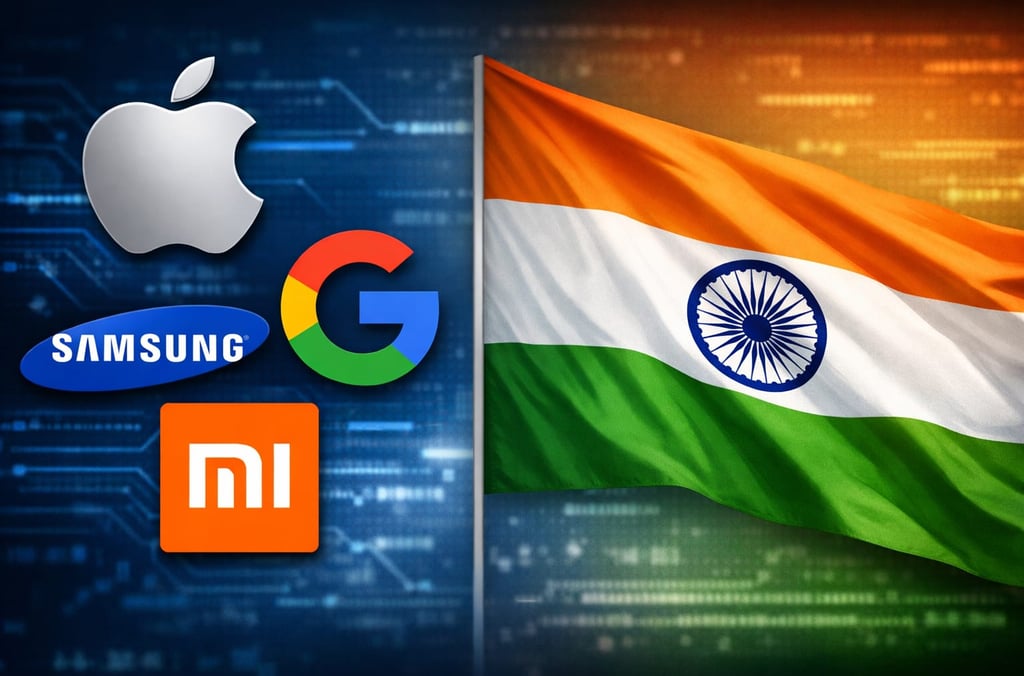
Source code is the fundamental blueprint of any software or operating system. It reveals how a system functions, how data is processed, and how security mechanisms are implemented. For companies such as Apple, Samsung, Google, Xiaomi, and other major manufacturers, source code represents extremely sensitive intellectual property built over years of research and innovation. Under India’s proposal, this code would need to be shared with government-approved security laboratories for inspection and certification.
Proposed Security Requirements
According to the draft framework, smartphone manufacturers may be required to submit their operating systems and critical software components for security testing either before launch or after major updates. The proposal also introduces tighter controls on background applications, aiming to prevent unauthorized access to sensitive features such as cameras, microphones, and location services.
In addition, devices could be required to include stronger malware detection systems and user alerts to warn if a phone has been rooted or jailbroken — conditions that can weaken built-in security protections and increase vulnerability to cyberattacks.
Data Logging and User Transparency
Another significant aspect of the proposal involves data logging and transparency. Smartphones may need to securely store system logs for up to twelve months, enabling investigators to trace suspicious activity in cases of cybercrime or digital fraud. Users would also gain greater control over pre-installed applications, including the ability to remove non-essential apps that may collect data without clear consent.
The draft rules further suggest that companies could be obligated to notify authorities in advance of major software updates, allowing regulators to review changes for potential security implications.
Industry Pushback and Global Concerns
The global technology industry has responded cautiously, with many firms expressing serious reservations. Industry representatives argue that mandatory source code disclosure could undermine intellectual property protections and expose sensitive commercial secrets. There are also concerns that continuous malware scanning and long-term log storage could negatively impact device performance, battery life, and storage capacity.
Critics additionally warn that requiring prior approval or notification for software updates could slow the rollout of urgent security patches, potentially increasing cybersecurity risks rather than reducing them.
Government’s Position
Despite the criticism, Indian authorities maintain that the proposal is not aimed at any specific company or country. Officials emphasize that cyber fraud, spyware attacks, and data breaches are increasing at an alarming rate, making stronger oversight necessary. They argue that similar regulatory scrutiny already exists in sectors such as telecommunications, aviation, and finance, and that smartphones should not be treated differently given their central role in modern digital life.
The government has also indicated that stakeholder feedback will be considered before final rules are enforced, suggesting that the framework may still evolve.
What Happens Next?
If implemented largely in its current form, India would become one of the few major markets where governments have direct access to the internal workings of smartphone software. Such a move could set a global precedent, potentially encouraging other countries to adopt similar measures and leading to fragmented international compliance standards for technology companies.
For now, the proposal remains under discussion. The coming months will be crucial in determining whether India proceeds with strict enforcement or adopts a more balanced approach that addresses security concerns while safeguarding innovation, privacy, and fair competition.
Stay informed with the latest national and international news.
© 2026. All rights reserved.