
India Eyes New Arms Deal With Russia Ahead of Putin Visit – Su‑57 Jets & S‑500 Shield on Table
India plans fresh talks with Russia to acquire Su‑57 fighters and next‑gen S‑500 missile shield during President Putin’s December 2025 visit, deepening defence ties.
Raja Awais Ali
11/30/20252 min read
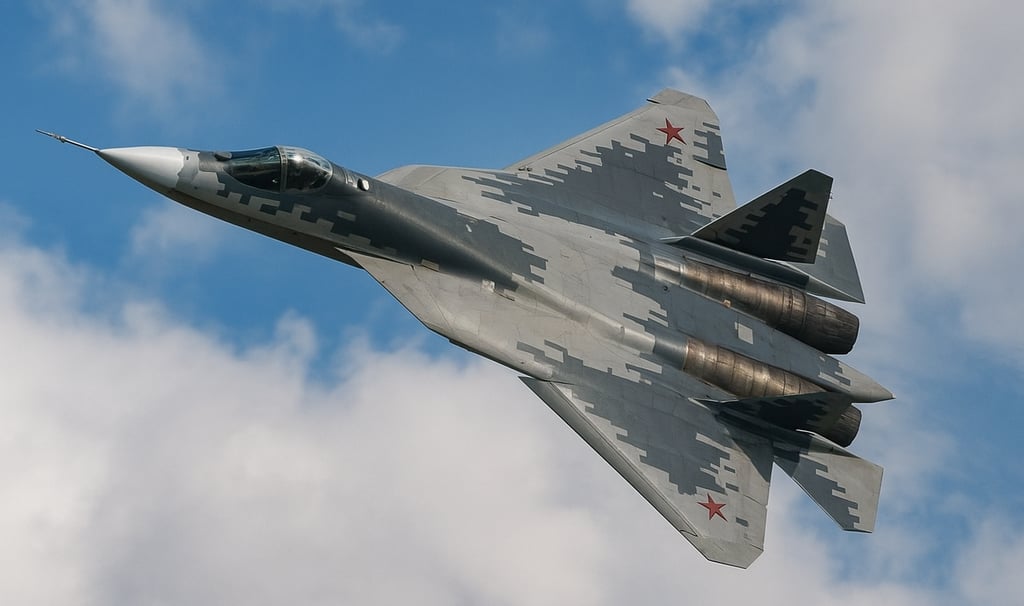
India Eyes New Arms Deal With Russia Ahead of Putin Visit
On 30 November 2025, reports surfaced that India is preparing to start discussions with Russia on a new defence deal during the upcoming visit of Russian President Vladimir Putin to New Delhi. According to these reports, India may explore acquiring advanced Russian fighter jets and a sophisticated missile‑defence shield.
Under the longstanding “Special and Privileged Strategic Partnership” between the two countries, the proposed procurement includes the fifth‑generation Sukhoi-57 stealth jets and possibly a next‑generation missile‑defence system like S-500 missile system.
India and Russia share a decades-long defence cooperation legacy. In anticipation of the December 4–5, 2025 summit between President Putin and Indian Prime Minister Narendra Modi, both sides aim to review bilateral defence collaboration and evaluate new hardware deals.
Key items reportedly under discussion:
Procurement of additional advanced missile‑defence systems (possibly more units of existing S-400 Triumf systems or newer S‑500 variants).
Acquisition of Sukhoi‑57 jets, potentially with technology & production transfer to India under a “Make‑in‑India” arrangement.
Upgrades to currently operated Russian-origin aircraft (e.g. newer avionics and weapon systems) and expanded maintenance capacity by state-owned defence firms.
That said, Indian defence officials caution that while talks are underway, no formal contract is expected during President Putin’s visit. The discussions are meant to explore possibilities, assess supply timelines, and strengthen strategic cooperation — but final deals may take longer.
India has over 200 Russian‑made fighter jets in its fleet, along with several batteries of S-400 systems. Analysts argue that integrating Su‑57 jets would be easier because Indian Air Force crews are already familiar with Russian platforms, and Indian defense manufacturer Hindustan Aeronautics Limited (HAL) has the capacity to service and maintain such aircraft.
Strategically, this move could strengthen India’s ability to modernize its air force and air defence capabilities — giving it enhanced long‑range strike and aerial defence capabilities. If Russia agrees to technology transfer and joint production, India could also build domestic capacity for maintenance and future upgrades.
The upcoming talks and potential agreement — even if not finalized immediately — signal that India intends to keep its defence ties with Russia robust, despite global pressure and growing defence cooperation with Western countries. This balancing act reflects India’s strategic interest in maintaining diversified options for its national defence architecture.
Stay informed with the latest national and international news.
© 2026. All rights reserved.