
Global Memory Chip Shortage Sparks iPhone Price Concerns in 2026
Rising memory chip prices put Apple under pressure as iPhone sales hit records. Will iPhones get more expensive in 2026? Full analysis.
Raja Awais Ali
2/6/20262 min read
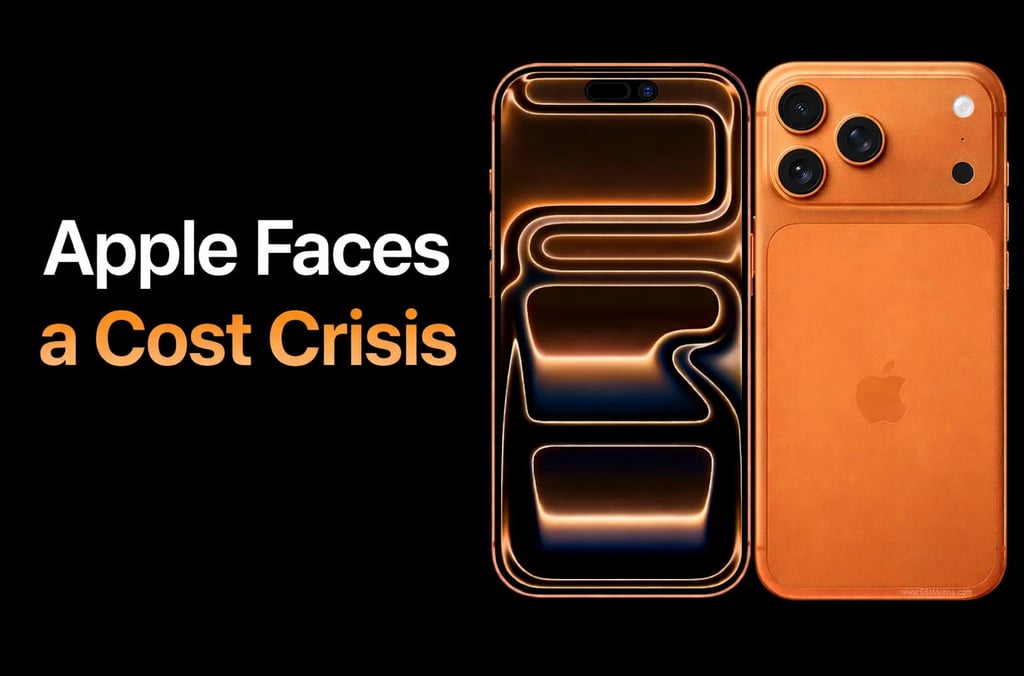

Global Memory Chip Crunch Raises iPhone Price Fears as Apple Faces Rising Pressure
The global technology industry is currently grappling with a severe memory chip shortage, and few companies are feeling the pressure more than Apple. As of February 6, 2026, reliable industry reports confirm that soaring prices of DRAM and NAND memory chips are significantly increasing smartphone production costs, placing Apple’s flagship product — the iPhone — under intense scrutiny. The central question now is whether future iPhones will become more expensive or whether Apple will absorb the rising costs itself.
The root cause of this crisis lies in the explosive global expansion of artificial intelligence (AI) infrastructure. Major technology giants including Microsoft, Google, and Meta are aggressively investing in AI data centers that require massive quantities of advanced memory chips. These same components are essential for smartphones, creating a supply imbalance that has pushed prices sharply upward.
According to industry data, the price of a 12GB DRAM module, which previously ranged between $25 and $30, has now surged to approximately $65–$70, representing an increase of more than 200% in some categories. This dramatic escalation directly impacts manufacturing costs, particularly for premium smartphones like the iPhone, which rely on high-performance memory components.
Despite these cost pressures, Apple’s sales performance remains exceptionally strong. In its first fiscal quarter of 2026, which ended on December 27, 2025, Apple reported record revenue of $143.8 billion, reflecting a 16% year-over-year increase. The iPhone was the company’s primary growth engine, generating $85.3 billion in revenue, a 23% annual increase — the strongest quarterly iPhone performance in Apple’s history.
These figures clearly demonstrate that global demand for iPhones remains robust, even as component costs rise. In 2025, Apple captured approximately 20% of the global smartphone market, maintaining its position as one of the world’s leading smartphone manufacturers. Key markets such as the United States, Europe, and China continued to show strong iPhone demand, giving Apple a competitive edge over rivals.
However, rising memory costs are beginning to impact Apple’s profit margins. Apple CEO Tim Cook has acknowledged that higher memory prices pose a real challenge for the company. To mitigate this, Apple has begun renegotiating supplier contracts more frequently and adopting flexible procurement strategies to reduce the impact of sudden price increases and ensure stable supply.
The critical issue now is pricing strategy. Market analysts widely believe Apple will try to keep base iPhone prices stable to protect consumer demand. Instead of broad price hikes, Apple may selectively raise prices on higher-storage and premium models, allowing it to partially offset rising costs without discouraging mainstream buyers.
A major advantage for Apple is its rapidly growing services business, which includes the App Store, iCloud, Apple Music, and other digital services. This segment continues to deliver high margins and recurring revenue, providing Apple with financial flexibility to absorb hardware cost increases more effectively than most competitors.
The memory chip shortage is not affecting Apple alone. Analysts warn that if the supply imbalance persists, global smartphone shipments could slow in 2026, and consumers may face device price increases of 5–10% across the broader electronics market, including smartphones, laptops, and tablets.
In conclusion, the global memory chip crunch has become one of the most defining challenges for the technology industry in 2026. Despite reporting record iPhone sales, Apple is now navigating rising production costs that could reshape pricing strategies across the smartphone market. Whether Apple chooses to raise prices, rely on its services revenue, or absorb costs internally, its decisions will likely set the tone for the entire industry in the months ahead.
Stay informed with the latest national and international news.
© 2026. All rights reserved.