
Gaza Talks at a Critical Moment — Qatar PM Says Ceasefire Still Not Final
Qatar’s PM warns the Gaza truce is temporary. Israel’s continued operations show a full ceasefire is still incomplete.
Raja Awais Ali
12/6/20252 min read
Gaza Talks at a Critical Moment — Ceasefire Still Not Complete, Qatar PM Warns
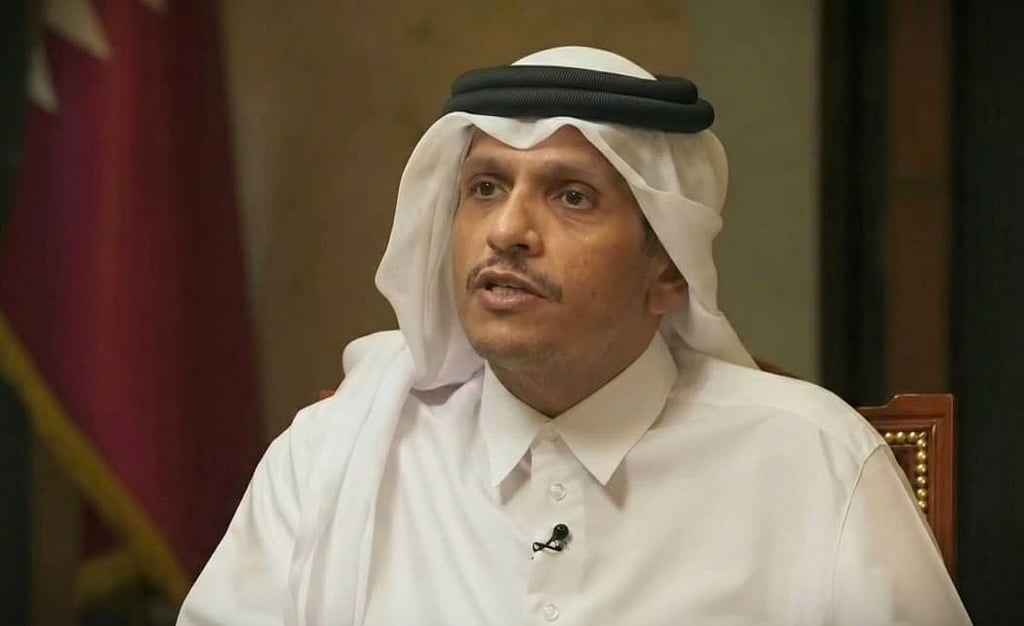
On 6 December 2025, at the opening of a major international forum in Doha, Qatar’s Prime Minister and Foreign Minister Sheikh Mohammed bin Abdulrahman Al Thani warned that the current Gaza truce must not be mistaken for a full ceasefire. He stressed that it is only a temporary pause, not a comprehensive peace agreement. A real ceasefire, he explained, requires a complete withdrawal of Israeli forces from Gaza and a return to conditions where civilians can move safely and live without fear.
The Qatari Prime Minister said mediators are working intensively to push the agreement into its next phase, but the situation remains fragile. Declaring a full ceasefire would be premature, he noted, because Israeli troops remain on the ground and civilian life is still heavily restricted. Despite the truce, Israel has continued limited strikes and ground operations in certain areas, leading to further casualties and highlighting the absence of a true ceasefire.
The truce, implemented in early October 2025 under a plan supported by international partners, has significantly reduced large-scale fighting. However, isolated attacks and violence continue. According to recent reports, over 360 Palestinians have been killed since the truce began, showing that the situation is far from stable. Humanitarian conditions remain dire, with widespread damage to infrastructure and limited access to essential services.
Most hostage exchanges have already taken place under the truce framework, with only the remains of one Israeli hostage still inside Gaza, according to mediators. This marks the near completion of one major objective of the first phase.
The proposed second phase of the roadmap includes the full withdrawal of Israeli forces, deployment of an international security force, the formation of an interim technocratic administration in Gaza, and long-term reconstruction under global supervision. However, critical technical and political details — such as the size, role, and mandate of the security force — remain under negotiation, leaving the timeline unclear.
Meanwhile, life for Gazans remains extremely difficult. Thousands remain displaced, struggling to access food, clean water, medical care, and safe shelter. With most essential infrastructure damaged or destroyed, the fear of renewed conflict hangs over daily life.
Qatar’s warning comes at a decisive moment as global pressure intensifies for a durable resolution. Sheikh Mohammed urged all parties to focus on securing a full, verifiable ceasefire rather than depending on temporary pauses. He emphasized that only a complete troop withdrawal and restoration of normal civilian life can bring meaningful relief to Gaza.
As the first phase of the agreement approaches its end, uncertainty dominates. Whether the fragile truce evolves into a sustainable ceasefire — or collapses into renewed conflict — depends on decisions expected in the coming days. The world watches closely, hoping this critical moment becomes a turning point toward lasting peace.
Stay informed with the latest national and international news.
© 2026. All rights reserved.