
European Parliament OKs Phase‑Out of Russian Gas Imports by 2027 | EU Energy Independence
On 17 Dec 2025 the European Parliament approved phasing out Russian gas imports by 2027, boosting EU energy independence and security. Learn the full plan.
Raja Awais Ali
12/17/20252 min read
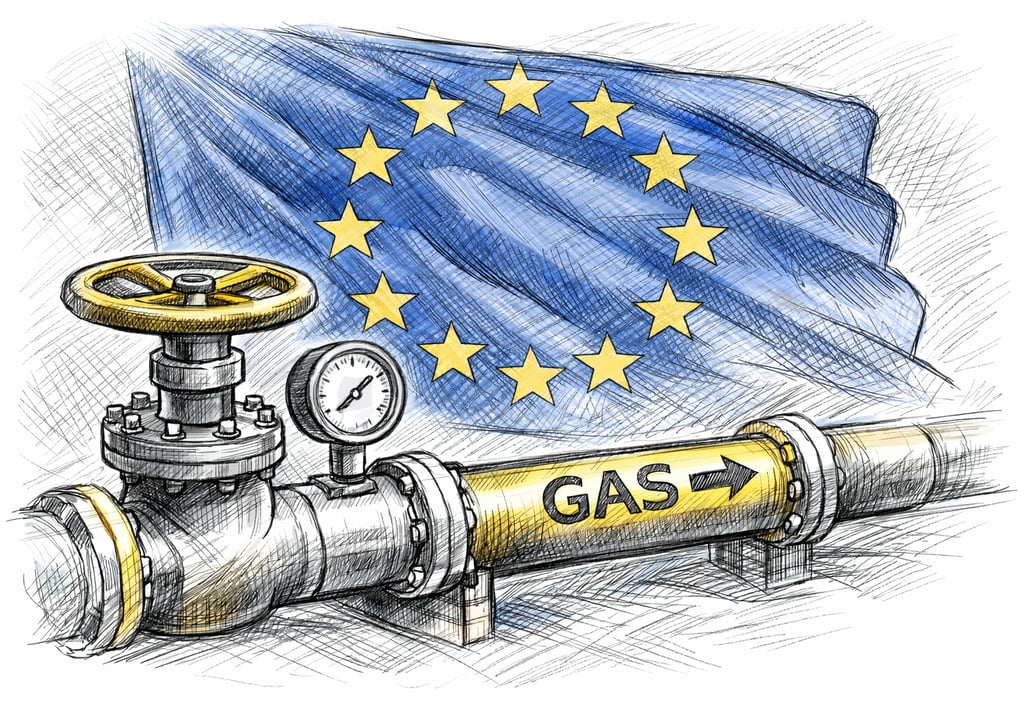
European Parliament Approves Phase‑Out of Russian Gas Imports by 2027
On 17 December 2025, the European Parliament approved a landmark plan to phase out imports of Russian gas by late 2027, a major step toward reducing the European Union’s energy dependence on Moscow and strengthening the bloc’s strategic autonomy.
The approval came in a decisive parliamentary vote with 500 lawmakers in favor, 120 against, and 32 abstentions, reflecting substantial cross‑party support despite opposition by a few gas‑dependent member states.
Under the phased plan, the EU will halt Russian liquefied natural gas (LNG) imports by the end of 2026 and stop pipeline gas imports by 30 September 2027. This structured timeline is intended to give governments and energy markets adequate time to transition to alternative supplies and manage energy security during the shift.
Russian gas has long been a centerpiece of European energy supplies, but its role has sharply declined. Before Russia’s full‑scale invasion of Ukraine in 2022, Russian gas accounted for roughly 45 percent of the EU’s total gas imports. By October 2025, that share had dropped to just 12 percent as EU states diversified sources and invested in energy alternatives.
The new regulation still needs formal endorsement by the Council of the EU (European Union member states’ governments) — expected in early 2026 — before being published in the Official Journal and becoming binding EU law. However, officials anticipate approval without substantive changes thanks to the use of a reinforced qualified majority voting process. This mechanism allows the EU to adopt the measure even if a minority of countries oppose it, bypassing potential vetoes from nations such as Hungary and Slovakia.
Detailed provisions of the phase‑out plan show how the EU intends to balance the transition with contractual obligations. For example, short‑term LNG supply contracts signed before mid‑2025 would end by 25 April 2026, while long‑term LNG contracts would cease by 1 January 2027. Pipeline gas under long‑term contracts will be phased out by 30 September 2027, with a possible minor extension to 1 November 2027 for states that have not yet met storage‑filling targets.
The phase‑out of Russian gas aligns with the broader REPowerEU energy strategy, which was launched after Russia’s invasion of Ukraine to diversify energy suppliers, improve market resilience, and accelerate clean energy deployment. The strategy also includes further legislative proposals aimed at reducing Russian oil imports and minimizing overall fossil fuel reliance.
Supporters of the plan argue that ending Russian gas imports is not only a geopolitical priority — depriving Moscow of revenue used to finance military operations — but also an economic and environmental imperative. By shifting toward LNG from alternative partners such as the United States and Qatar, and investing in renewable and low‑carbon energy sources, the EU hopes to bolster energy security while advancing climate goals.
Critics, however, caution that the transition must be carefully managed to avoid supply disruptions or price volatility, particularly during peak demand periods. Countries still receiving Russian gas, including Hungary, France, and Belgium, will need significant infrastructure upgrades and diversification plans to fully adapt.
In conclusion, the 17 December 2025 approval by the European Parliament to phase out Russian gas imports marks a historic turning point in European energy policy. With the full ban taking effect by late 2027, the EU is set on a path toward greater energy independence, enhanced security, and a more resilient and diversified energy future.
Stay informed with the latest national and international news.
© 2026. All rights reserved.