
EU Rejects Any New US Tariffs After Supreme Court Ruling: “A Deal Is a Deal” | Feb 23, 2026
The EU says it will accept no increase in US tariffs after a Supreme Court ruling, insisting that existing trade deals must be honored.
Raja Awais Ali
2/23/20263 min read
EU Rejects Any New US Tariffs After Supreme Court Ruling: “A Deal Is a Deal”
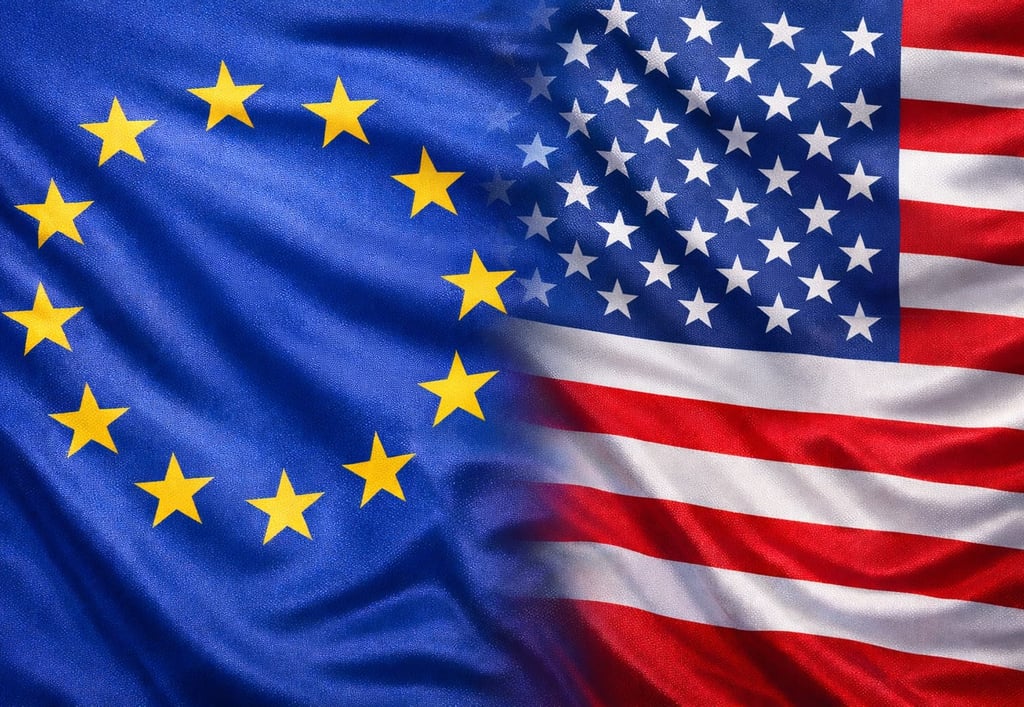
On February 23, 2026, the European Union delivered a firm and unambiguous message to the United States: it will not accept any increase in US import tariffs, even in light of the recent ruling by the US Supreme Court.
European officials stressed that once a trade agreement is finalized, it must be respected. As Brussels put it bluntly, “a deal is a deal.”
The statement marks a critical moment in EU-US trade relations and highlights growing tensions over how domestic legal decisions can impact international trade commitments.
What Triggered the Dispute?
The controversy emerged after the US Supreme Court issued a ruling questioning the scope of presidential authority to impose broad tariffs under emergency economic laws. While the court focused on legal limits rather than trade policy itself, the decision reopened debate in Washington over how tariffs could be maintained or adjusted using alternative legislation.
Following the ruling, signals from US officials suggested that tariff structures might be revised or temporarily increased under different trade provisions. This immediately raised concerns in Brussels, where officials fear that such moves could undermine previously agreed trade terms.
The EU’s Core Argument: Trade Agreements Are Binding
According to the European Commission, the EU and the US reached a comprehensive trade understanding in August 2025. That agreement set clear tariff ceilings, with most EU exports facing duties capped at 15%, while certain strategic sectors—such as selected aerospace components—were exempted entirely.
In return, the EU eased restrictions on several American products, creating what both sides described at the time as a balanced and predictable framework for transatlantic trade.
The Commission now argues that any tariff increase beyond those limits would directly violate the agreement. From the EU’s perspective, trade deals are designed to provide certainty for businesses, investors, and supply chains. Sudden policy shifts, even if driven by domestic legal changes, threaten that stability.
Why Higher Tariffs Matter
Economists warn that additional tariffs would have real economic consequences on both sides of the Atlantic. Higher import duties typically translate into higher consumer prices, disrupted supply chains, and reduced competitiveness for manufacturers.
Estimates suggest that an escalation in tariff levels could shave 0.5% to 0.8% off overall EU economic growth, with export-heavy economies such as Germany, Italy, and France facing the greatest pressure. Key sectors at risk include automobiles, industrial machinery, chemicals, and luxury goods.
The US economy would not be immune either. The European Union remains America’s largest trading partner, meaning retaliatory measures or reduced trade flows could also hurt US exporters and consumers.
President Trump and Trade Policy
The issue also places Donald Trump at the center of renewed trade scrutiny. As the current US president, Trump continues to promote an “America First” trade agenda aimed at protecting domestic industries and jobs.
However, EU officials argue that safeguarding national interests should not come at the expense of international commitments. In their view, if major economies begin revising agreements whenever domestic politics or court rulings change, the global trading system risks sliding into uncertainty and fragmentation.
Political and Financial Reactions in Europe
Within Europe, the EU’s stance has received strong backing from policymakers and lawmakers. Several members of the European Parliament have called for caution in advancing future trade cooperation with Washington until tariff issues are fully clarified.
Financial institutions have also expressed concern. Analysts warn that prolonged trade uncertainty could unsettle markets, weaken business confidence, and complicate efforts by central banks to manage inflation and growth simultaneously.
Possible EU Countermeasures
While Brussels insists that dialogue remains its preferred option, it has made clear that it is not without tools. The EU possesses legal and trade mechanisms designed to respond to coercive or unfair economic measures. These instruments allow the bloc to impose proportionate countermeasures if an agreed framework is breached.
Still, European officials emphasize that retaliation is a last resort. Their primary objective, they say, is to preserve cooperation and ensure that both sides adhere to the commitments already made.
What This Means for Global Trade
This dispute goes far beyond a technical disagreement over tariff percentages. At its core, it raises a fundamental question: Can international trade agreements remain credible if domestic legal or political shifts override them?
For the EU, the answer is clear. Trust, predictability, and rule-based cooperation are essential to global commerce. Undermining those principles could have consequences well beyond EU-US relations, affecting markets and trade partnerships worldwide.
Conclusion
The European Union’s message to Washington is firm but measured: honor the deal, respect the limits, and keep trade predictable. As one of the most significant economic relationships in the world faces renewed strain, the coming weeks will be crucial.
Whether this standoff leads to renewed negotiations or deeper trade friction will shape not only EU-US relations but also the broader future of global trade governance in 2026 and beyond.
Stay informed with the latest national and international news.
© 2026. All rights reserved.