
Who Built the Empire State Building? Full History, Cost, Construction Facts and Hidden Secrets
Discover who built the Empire State Building, how much it cost, how long construction took, worker details, materials used, and surprising facts. Complete history of New York’s most famous skyscraper
Raja Awais Ali
6/7/20267 min read

The Idea Behind the Empire State Building and How Construction Started
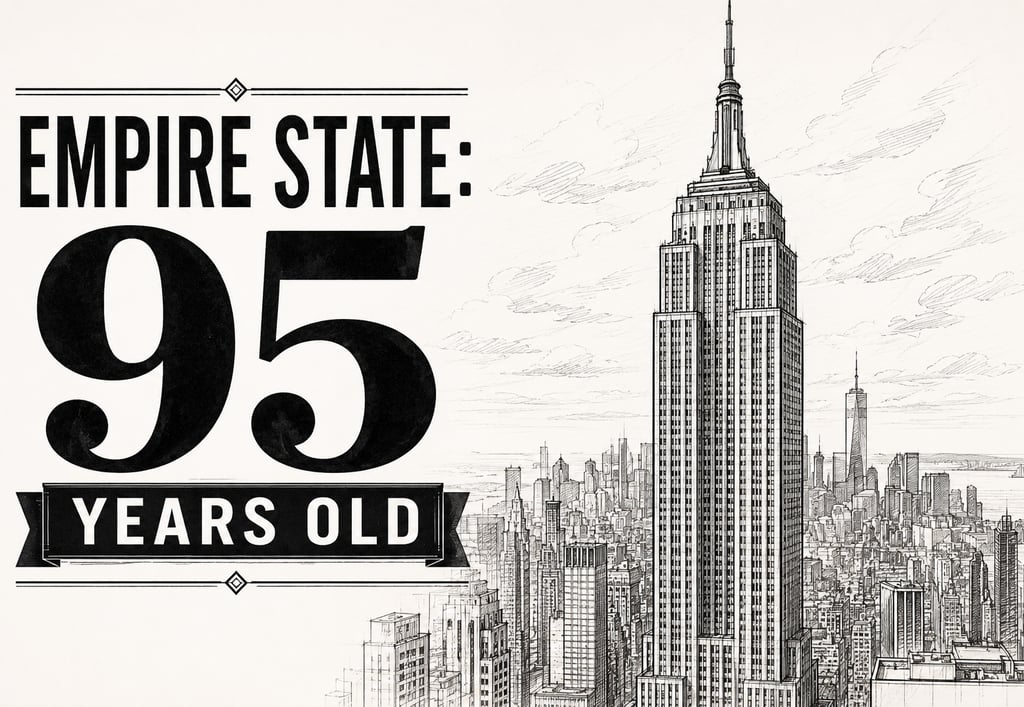
The Empire State Building is one of the most famous skyscrapers in the world and remains a global symbol of New York City and American engineering. Located in Midtown Manhattan, the building was officially completed in 1931 and quickly became a landmark recognized across the world. As of 2026, the Empire State Building is 95 years old. Even after nearly a century, it continues to attract millions of visitors every year and remains one of the most important buildings in modern architectural history.
The idea for the Empire State Building came during a time when New York City was competing to build the tallest building in the world. During the late 1920s, skyscraper construction became a symbol of economic power and technological progress in the United States. Wealthy investors and large corporations wanted to create buildings that would dominate the skyline and establish global recognition.
The main person behind the Empire State Building project was American businessman John J. Raskob. He was a successful investor and former executive at General Motors. Raskob wanted to build a structure taller than every other building in the world. He partnered with former New York Governor Alfred E. Smith, and together they formed a company called Empire State Inc. to manage the project and raise funding.
The land selected for the project was the former site of the Waldorf-Astoria Hotel in Manhattan. At the time, the hotel was one of the most famous luxury hotels in New York. The property was purchased for around 16 million US dollars, which was considered an enormous amount during that era.
The architectural design was created by the firm Shreve, Lamb & Harmon. The architects used the Art Deco style, which was extremely popular during the 1920s and 1930s. The building was designed with clean vertical lines and a stepped structure that gave it a modern and powerful appearance. The design also followed New York zoning laws that required tall buildings to step back at higher floors so sunlight could still reach the streets below.
Construction officially began on March 17, 1930. At the time, the United States was entering the Great Depression, one of the worst economic crises in American history. Millions of people were unemployed, businesses were collapsing, and financial markets were unstable. Despite these difficult conditions, the Empire State Building project moved forward because investors believed the skyscraper would become one of the most valuable properties in New York City.
The construction contract was awarded to Starrett Brothers & Eken, one of the leading construction companies of that time. The company became famous for completing the building at an incredibly fast speed. Around 3,400 workers were involved in the construction process each day. These workers included engineers, electricians, steelworkers, stone masons, and laborers from different backgrounds.
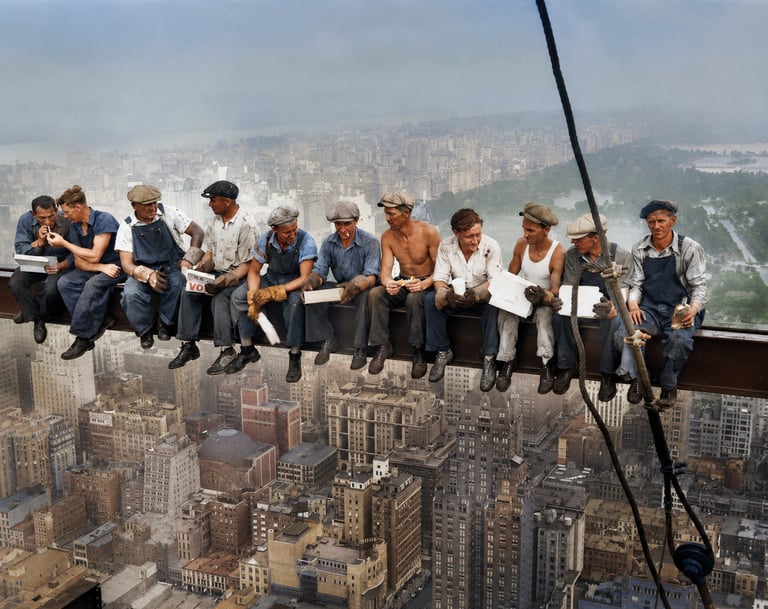
One of the most important groups involved in the construction was the Mohawk ironworkers. These Native American steelworkers were known for their ability to work fearlessly at extreme heights. Historic photographs of workers sitting on steel beams hundreds of feet above the streets became some of the most iconic construction images ever taken.
The Empire State Building was built using approximately 57,000 tons of steel. More than 10 million bricks were used in the structure, along with large quantities of limestone, granite, aluminum, and stainless steel. The building also included around 6,500 windows and dozens of elevators designed to move thousands of people every day.
Construction progressed at an extraordinary speed. In some phases of the project, workers completed several floors within a single week. The entire skyscraper was finished in just 410 days, which remains one of the greatest achievements in construction history.
The building officially opened on May 1, 1931. President Herbert Hoover symbolically turned on the building’s lights from Washington, D.C. during the opening ceremony. At the moment of completion, the Empire State Building became the tallest building in the world and held that title for nearly 40 years.
Empire State Building Construction Costs, Materials, Workers and Financial Details
The Empire State Building was one of the most expensive and ambitious construction projects of its time. Although modern skyscrapers today cost billions of dollars, spending tens of millions during the early 1930s was considered extremely risky and financially challenging.
The total construction cost of the Empire State Building was approximately 40.9 million US dollars. When the land purchase and additional expenses were included, the total investment reached nearly 60 million dollars. Adjusted for inflation, experts estimate the total value today would equal several hundred million dollars, approaching 1 billion dollars in modern currency.
A major portion of the budget was spent on the steel framework. The skyscraper required around 57,000 tons of structural steel, making it one of the largest steel construction projects of its era. Fortunately for investors, steel prices were lower during the Great Depression because industrial demand had collapsed across the United States. This allowed the developers to purchase large quantities of material at reduced prices.
The exterior walls were primarily built using Indiana limestone and granite. These materials were selected because of their strength, durability, and elegant appearance. The building’s Art Deco exterior helped establish it as one of the most visually recognizable skyscrapers ever built.
The Empire State Building also required massive amounts of electrical and mechanical infrastructure. Around 2 million feet of electrical wiring were installed throughout the structure. Advanced heating, plumbing, and ventilation systems were added to support thousands of workers and office employees.
One of the building’s greatest engineering achievements was its elevator system. Originally, the skyscraper included 64 elevators, which were considered highly advanced at the time. Fast elevator transportation was essential because the building stood more than 100 stories tall. Without efficient elevators, daily operations inside the tower would have been impossible.
Approximately 3,400 workers participated in the construction process every day. Many workers were immigrants searching for employment during the Great Depression. Wages varied depending on skill level. General laborers earned around 15 dollars per day, while highly skilled steelworkers could earn up to 25 dollars or more daily. Even though construction work was dangerous, the project provided jobs to thousands of families during one of America’s hardest economic periods.
Safety standards in the 1930s were far different from modern regulations. Workers often operated hundreds of feet above the ground with very limited protective equipment. Despite these dangerous conditions, the project maintained a relatively low accident rate compared to other construction projects of that era.
The speed of construction became one of the building’s most remarkable achievements. Workers and engineers organized material deliveries with extreme precision. Steel beams, stone panels, electrical equipment, and construction tools arrived exactly when needed to prevent delays. This efficient planning allowed construction crews to maintain rapid progress throughout the project.
Even after completion, the building initially struggled financially because the Great Depression reduced demand for office space. Many offices remained empty during the early years. Newspapers jokingly referred to the structure as the “Empty State Building” because so few tenants could afford to rent space.
However, the building’s financial future improved over time. As New York’s economy recovered, more businesses moved into the tower. Eventually, the Empire State Building became one of the most valuable commercial properties in the world.
Today, the building generates revenue through office leasing, tourism, media rights, events, and observation deck ticket sales. Millions of tourists visit the skyscraper every year, making tourism one of its largest sources of income. The Empire State Building has now earned far more than its original construction cost and remains one of the most profitable landmarks in New York City.
Empire State Building Today, Tourism Revenue and Surprising Facts
Today, the Empire State Building remains one of the most recognized buildings in the world. Even though taller skyscrapers now exist, the building still represents the golden age of American architecture and engineering. Its image continues to appear in movies, television, advertisements, books, and global media.
The skyscraper has 102 floors and a roof height of 1,250 feet. Including its antenna, the total height reaches approximately 1,454 feet. For nearly four decades, it remained the tallest building on Earth until the construction of the original World Trade Center towers in New York.
As of 2026, the Empire State Building is 95 years old, yet it continues to function as a modern commercial skyscraper. The building contains approximately 2.8 million square feet of office space and houses companies from industries including finance, technology, marketing, entertainment, and media.
One of the building’s biggest attractions is its observation decks located on the 86th and 102nd floors. These observation areas offer panoramic views of New York City and attract over 4 million visitors every year. Tourists from around the world visit the Empire State Building to experience its historic architecture and skyline views.
Tourism has become one of the building’s most profitable businesses. Ticket sales from observation decks generate hundreds of millions of dollars over time. The skyscraper also earns money through office rent, events, retail stores, and partnerships.
The Empire State Building has appeared in countless Hollywood productions. One of the most famous examples is the 1933 film “King Kong,” where the giant ape climbs the skyscraper during the movie’s final scenes. That film helped turn the building into a worldwide cultural icon.
Another historic event occurred in 1945 when a B-25 bomber aircraft accidentally crashed into the building during heavy fog. The accident caused deaths and damage to several floors, but the main structure remained stable. The building reopened shortly afterward, proving the strength of its engineering.
Over the years, the Empire State Building has undergone several modernization projects. More than 550 million dollars have been invested in upgrades designed to improve energy efficiency and building performance. New windows, smart cooling systems, LED lighting, and modern insulation technology were installed to reduce energy consumption. Experts reported that these upgrades significantly lowered the building’s energy usage.
The tower’s lighting system has also become internationally famous. The building changes colors during holidays, sporting events, national celebrations, and global awareness campaigns. These colorful light displays have turned the skyscraper into a symbol of New York City culture and celebration.
Despite competition from newer skyscrapers such as Burj Khalifa in Dubai, the Empire State Building continues to hold historic importance unmatched by many modern towers. It represents an era when architecture was designed not only for business but also to inspire the public and symbolize national ambition.
Today, the Empire State Building is considered one of the greatest engineering achievements of the 20th century. Nearly a century after its construction, it remains a powerful example of vision, investment, architectural innovation, and human determination.
Stay informed with the latest national and international news.
© 2026. All rights reserved.