
Amazon & Walmart Shareholder Urges Firms to Report Impact of Trump’s Immigration Policies – 18 Dec 2025
A union‑aligned shareholder urges Amazon, Walmart & Alphabet to disclose how President Trump’s immigration policies affect labor, finances & supply chains — 18 Dec 2025.
Raja Awais Ali
12/18/20252 min read
Amazon & Walmart Shareholders Demand Transparency on Trump Immigration Policy Effects
On 18 December 2025, a union‑aligned investor group intensified pressure on three major U.S. corporations — Amazon, Walmart and Alphabet — demanding public disclosure of how President Donald Trump’s immigration policies are impacting their finances, workforce availability and supply chains. The move highlights a growing push by shareholders for greater transparency around policy‑driven business risks.
The investor group, SOC Investment Group, holds minority stakes in all three companies — approximately 31 million shares in Amazon, 17 million in Walmart, and 41 million in Alphabet. In letters sent to each firm, SOC called for detailed reporting on the operational and financial consequences of recent immigration policy changes.
Why This Matters to Corporations and Investors
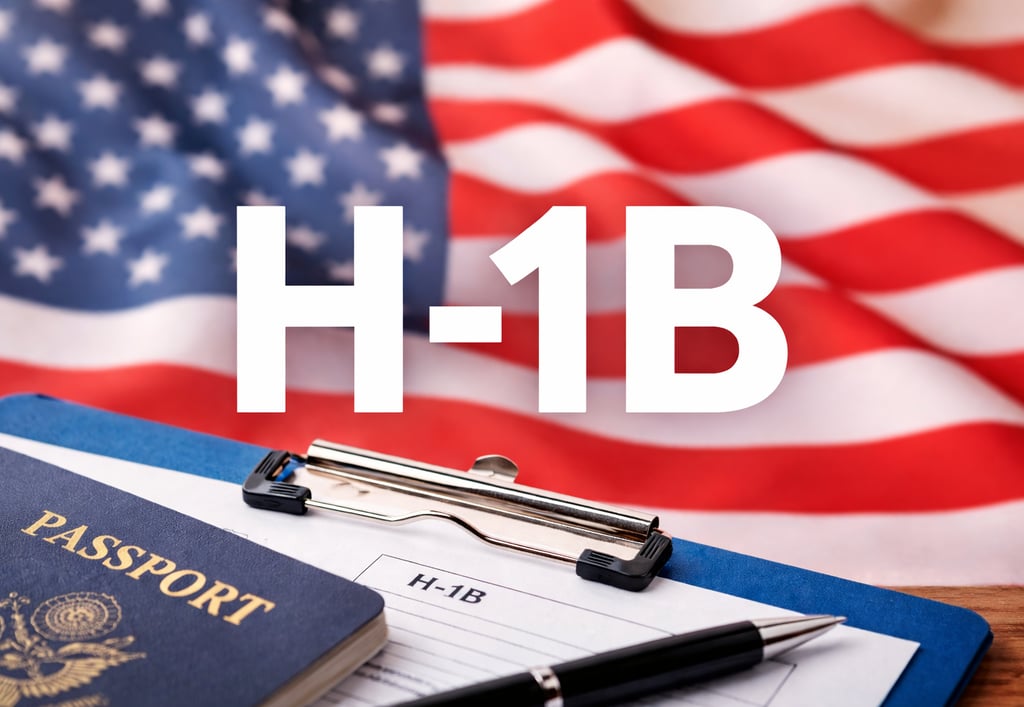
SOC argues that changes to U.S. immigration policy, particularly those affecting the H‑1B visa program, pose material risks to long‑term corporate performance. The group wants companies to explain how they plan to manage:
The newly introduced $100,000 fee for new H‑1B visa applications, a sharp increase that could restrict access to global talent critical for technology, logistics, and research‑driven roles.
Potential spill‑over effects on labor‑intensive sectors such as trucking, agriculture and supply‑chain logistics, which are especially important to Walmart’s nationwide operations.
SOC Executive Director Tejal Patel emphasized that workforce constraints can directly threaten shareholder value:
“If companies cannot meet consumer demand or compete effectively because they are unable to hire the right people, it creates a long‑term risk to their value.”
Impact of the New Immigration Policy
The Trump administration’s updated approach includes higher visa costs, stricter enforcement measures, workplace inspections and possible changes to employer compliance obligations. These developments have increased uncertainty in major innovation hubs such as Silicon Valley and New York, where large numbers of H‑1B visa holders contribute to growth and innovation.
Industry analysts warn that such policies may discourage skilled foreign professionals from seeking employment in the United States, while encouraging existing workers to consider opportunities abroad — potentially weakening U.S. competitiveness over time.
Supply Chain and Operational Concerns
SOC also seeks clarity on how immigration policy changes are affecting essential sectors that support large‑scale retail and e‑commerce operations. Trucking and agriculture, both heavily reliant on immigrant labor, are critical to Walmart’s supply chain and to timely product distribution nationwide.
Labor shortages or regulatory disruptions in these areas could influence product availability, operating costs and pricing strategies, with direct consequences for consumers and investors alike.
Regulatory and Legal Context
The shareholder push comes amid broader regulatory developments, including executive actions reviewing the role of proxy advisory firms, which often guide institutional investors on shareholder proposals. Such reviews could limit shareholder influence at a time when investors are increasingly using proxy votes to press companies on governance and risk disclosure.
Although SOC’s resolutions are advisory and non‑binding, companies frequently respond to proposals that receive strong investor support. SOC has indicated it may pursue legal options, including litigation, if the firms refuse to include the requested disclosures in upcoming proxy statements.
Corporate Responses So Far
As of publication:
Amazon declined to comment on the shareholder letters.
Walmart and Google (Alphabet) did not immediately respond to requests for comment.
Why This News Is Important
This development underscores the increasing intersection of government policy, corporate governance, labor markets and investor rights. It reflects a broader trend in which shareholders are demanding that major corporations address not only financial performance, but also how policy decisions — particularly around immigration — affect business sustainability and competitiveness.
With proxy votes scheduled for next year, the outcome of this push could set an important precedent for how U.S. corporations disclose policy‑related risks and engage with investor concerns in the future.
Stay informed with the latest national and international news.
© 2026. All rights reserved.