
Afghanistan Humanitarian Crisis 2026: UN Warns Over 5 Million Returnees
UN warns Afghanistan’s aid system is overwhelmed as 5M+ returnees strain food, shelter, and health services. Learn latest updates & relief efforts.
Raja Awais Ali
2/13/20262 min read
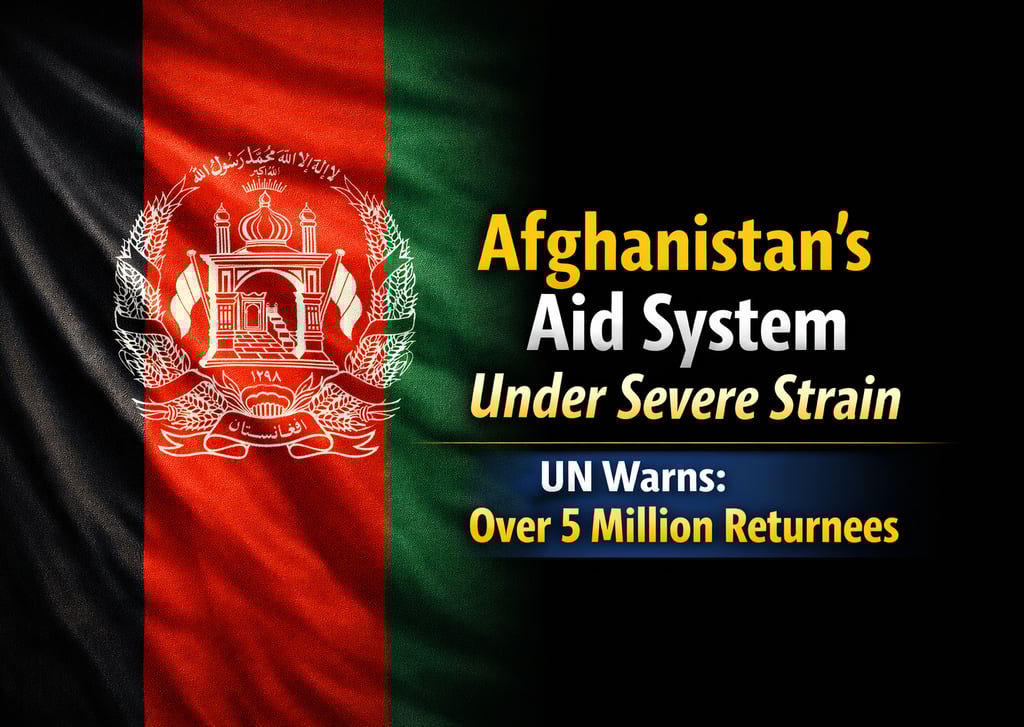
Afghanistan’s Aid System Under Severe Strain: UN Warns Over 5 Million Returnees
On 13 February 2026, the United Nations warned that Afghanistan’s humanitarian aid system is facing unprecedented pressure. Over the past one and a half to two years, more than five million Afghan citizens have returned from neighboring countries, exacerbating the country’s already fragile economy, limited basic services, and reduced international aid. Daily arrivals of thousands of returnees are placing unsustainable demands on housing, food, health, and employment services, intensifying the risk of a worsening humanitarian crisis.
The majority of returnees are coming back from Pakistan and Iran, driven by strict immigration policies and economic pressures in those countries. According to UN agencies, around 2,917,500 individuals returned in 2025 alone, with continued arrivals in early 2026. This rapid influx is straining border provinces and major urban centers, creating severe challenges in accommodation, healthcare, and education.
Emergency shelter remains the most pressing issue. The UNOCHA reports that nearly 4.2 million people will require immediate shelter and non-food assistance in 2026. Many families are forced to live under open skies or in inadequate temporary tents, leaving them highly vulnerable to harsh winter conditions and disease outbreaks. Lack of clean water, sanitation, and hygiene facilities increases the risk of epidemics, disproportionately affecting children and women.
Food security is another major concern. Recent assessments indicate that more than 17 million people in Afghanistan may face severe food insecurity in 2026. Malnutrition cases among children and women are rising sharply among returnee families. Aid organizations warn that limited funding is reducing access to nutrition programs, while rising food prices further diminish the purchasing power of vulnerable households.
The healthcare system is under immense pressure. Primary health centers face shortages of staff and medicines. Mobile health clinics are increasingly necessary in rural and border areas, yet resources remain insufficient. The combined effects of malnutrition, inadequate shelter, and disease outbreaks are creating a complex health crisis. Education is also being affected, as schools are overwhelmed with students while teacher shortages and limited facilities threaten children’s academic futures.
To support returning families, UNHCR estimates a funding requirement of $216 million for 2026, but only a small portion has been received so far. The IOM has warned that without immediate financial and technical support from global partners, relief programs will remain insufficient, leaving millions without access to basic necessities.
Aid agencies are working tirelessly with limited resources to provide emergency relief, but long-term solutions are essential. These include creating employment opportunities, restoring agriculture, providing sustainable land and housing solutions, and strengthening local institutions. Regional cooperation, transparent funding, and targeted programs are critical to reintegrate returnee families socially and economically.
Some positive steps have been taken. In January 2026, a $100 million food security program was announced to provide temporary assistance to vulnerable families and restore agricultural production. However, full impact requires additional funding and international collaboration. Immediate priorities include winter shelter kits, mobile health clinics, cash assistance, clean water, nutrition packages for children, and protection services for women and children.
The UN’s warning sends a clear message: without immediate and coordinated international action, the humanitarian crisis in Afghanistan will deepen. Global donors and regional governments must provide urgent funding and technical assistance. Alongside emergency relief, sustainable development investments are necessary to ensure thousands of families can achieve economic and social stability. Transparent reporting, fast-track response mechanisms, and community engagement will play a key role in mitigating the crisis.
Stay informed with the latest national and international news.
© 2026. All rights reserved.